Contents
- The newsletter referral loop in 30 seconds
- Newsletter referral program examples worth studying
- How to choose rewards without destroying the economics
- beehiiv, SparkLoop, or a separate referral campaign layer?
- Seven email follow-up plays that drive referrals
- A simple referral email sequence calendar
- Tracking: count people, not clicks
- Newsletter referral mistakes that look small but cost growth
- How to launch a newsletter referral program with KickoffLabs
- Newsletter referral program FAQ
- The practical takeaway
Quick answer: A newsletter referral program gives each subscriber a personal share link, credits the qualified new readers they bring in, and unlocks rewards at clear milestones. Start with one reachable digital reward, show progress in the newsletter or a status page, and send a follow-up when a referral is verified. A click alone is not a referral.
Your newsletter does not need a bigger “share this” button. It needs a reason to share, a visible next step, and an email sequence that keeps the referral loop alive after signup.
If you want the campaign machinery—not another disconnected share button—start with a newsletter referral program that can issue personal links, verify signups, show progress, and trigger rewards.
This guide looks at real newsletter programs, the referral models worth copying, seven follow-up emails you can use, and the mistakes that quietly kill newsletter growth. It also explains when a built-in platform feature like beehiiv is enough and when you need a separate referral campaign layer.
The newsletter referral loop in 30 seconds
A working referral loop has five parts:
- A reader subscribes.
- You assign that reader a unique referral link.
- The reader shares the link with someone who would actually value the newsletter.
- The new reader confirms or completes signup.
- The original reader sees progress and earns a relevant reward.
Then the new subscriber gets a referral link of their own.
That last step is what separates a campaign from a loop. A one-time “tell a friend” blast creates a spike. A referral block in every issue, backed by milestone emails, creates a system.
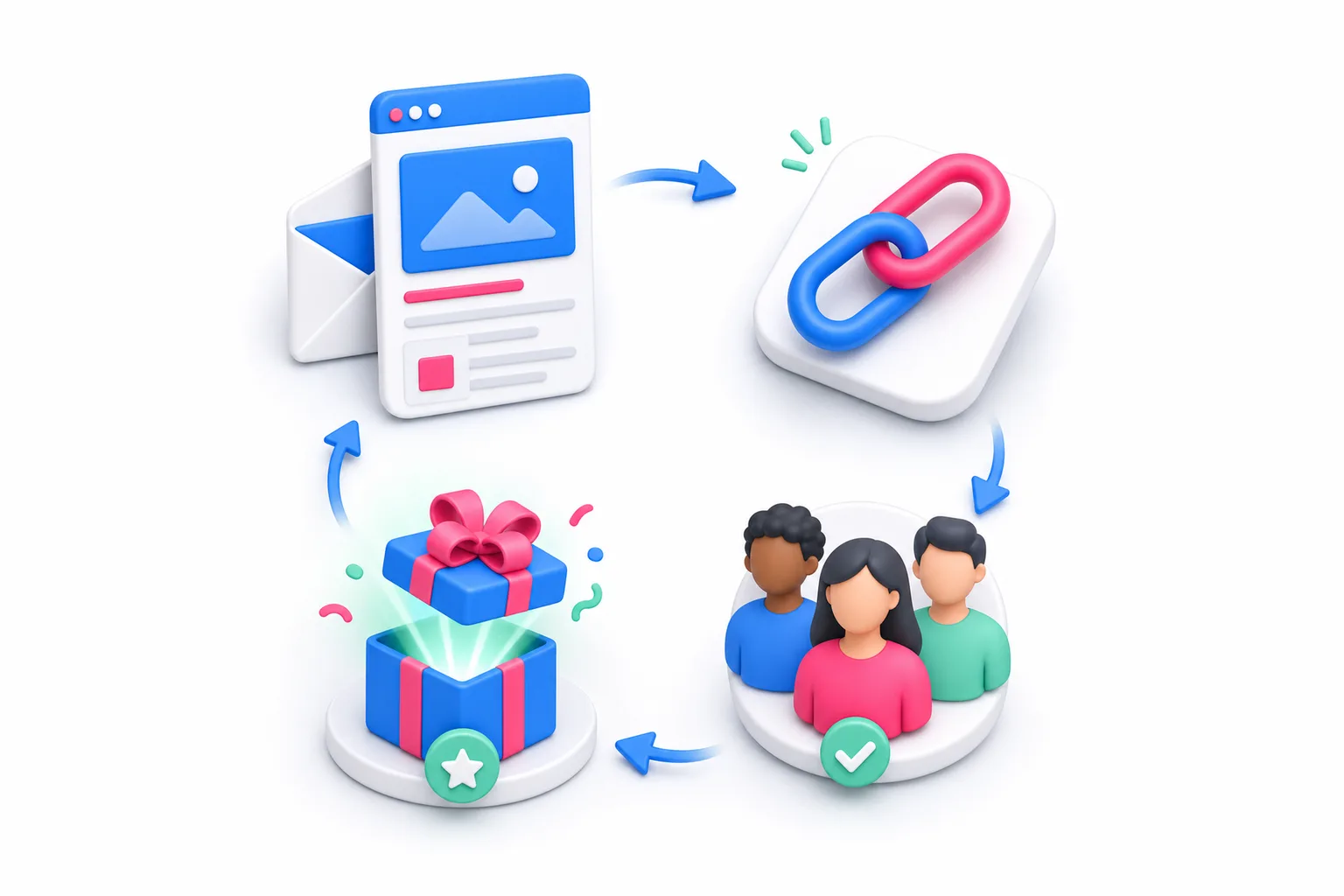
The mechanics are simple. The hard part is choosing a reward your readers want and designing follow-up emails that make progress impossible to miss.
Newsletter referral program examples worth studying
Do not copy another newsletter’s swag list and call it strategy. Copy the reason the program works.
Morning Brew: branded merchandise milestones. Morning Brew described mugs and sweatshirts in its first-party account of its referral program. In 2020, it said referrals had driven 35% of its 2.4 million-plus subscribers. That is historical context, not a current result or a benchmark for your list. Lesson: make the reward feel like an extension of the publication.
The Hustle: confirm before credit. The Hustle’s referral page walks readers through a unique share link, progress tracking, and rewards; its FAQ says the friend must subscribe through that link and confirm the email before the referrer gets credit. Its public text does not establish a current prize threshold, so do not copy an unsourced number. Lesson: define a qualified signup before you promise a prize.
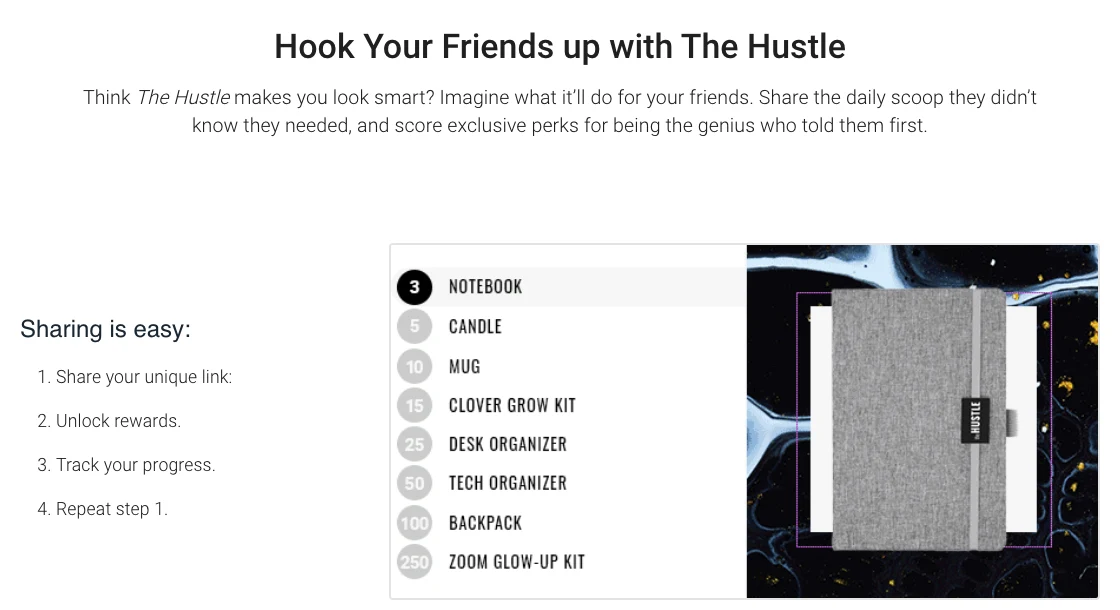
The Hustle’s public referral page shows the sharing steps and a visible reward ladder. Screenshot captured October 2026; rewards may change. Open the screenshot at full size.
Milk Road: a tiered ladder plus a time-boxed push. In Milk Road’s referral-program announcement, it says prior referrals count toward future rewards and gives an example of moving from 10 to 15 referrals for the next reward. The same announcement describes a separate one-week top-referrer prize of a year of PRO and an investing course, followed by a week to verify referrals. The announcement names a January 19 winner date without stating the year; do not treat this promotion as a current offer. Lesson: a standing milestone ladder and a short promotion can coexist, but check referrals before fulfillment.
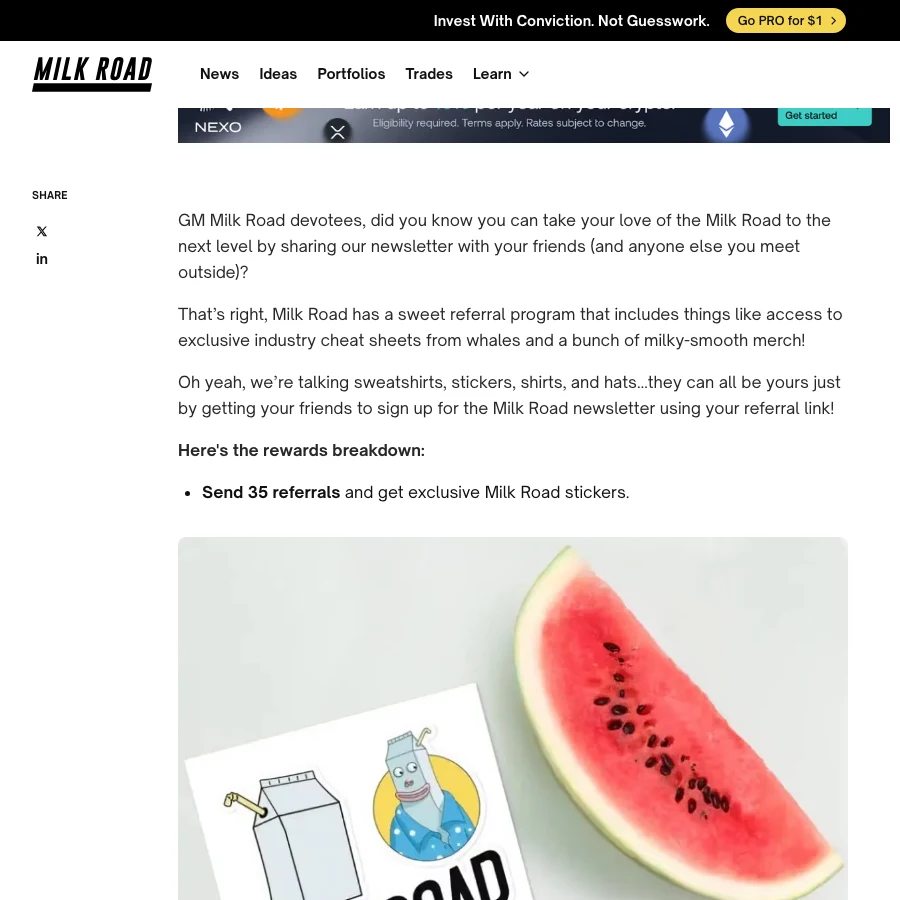
Milk Road’s published rewards guide pairs the referral invitation with a real branded reward. This guide is separate from the time-boxed promotion described above; its pictured threshold and prize should not be read as a current offer. Open the screenshot at full size.
The following six models are ways to design your own program, not six additional named case studies.
1. The content-unlock model
The first reward is premium content: a private issue, report, template pack, archive, mini-course, or members-only briefing.
This model works because the reward is close to your core promise. If someone reads your newsletter for tactical launch advice, give them a launch checklist—not a random coffee mug.
It is also cheap to fulfill. Create the asset once, then deliver it automatically whenever a subscriber reaches the milestone.
A content unlock is a model to test with your own readers, not a claim about the rewards in the Morning Brew example above.
Best for: publishers, creator newsletters, research briefings, SaaS education lists, and communities.
2. The milestone ladder
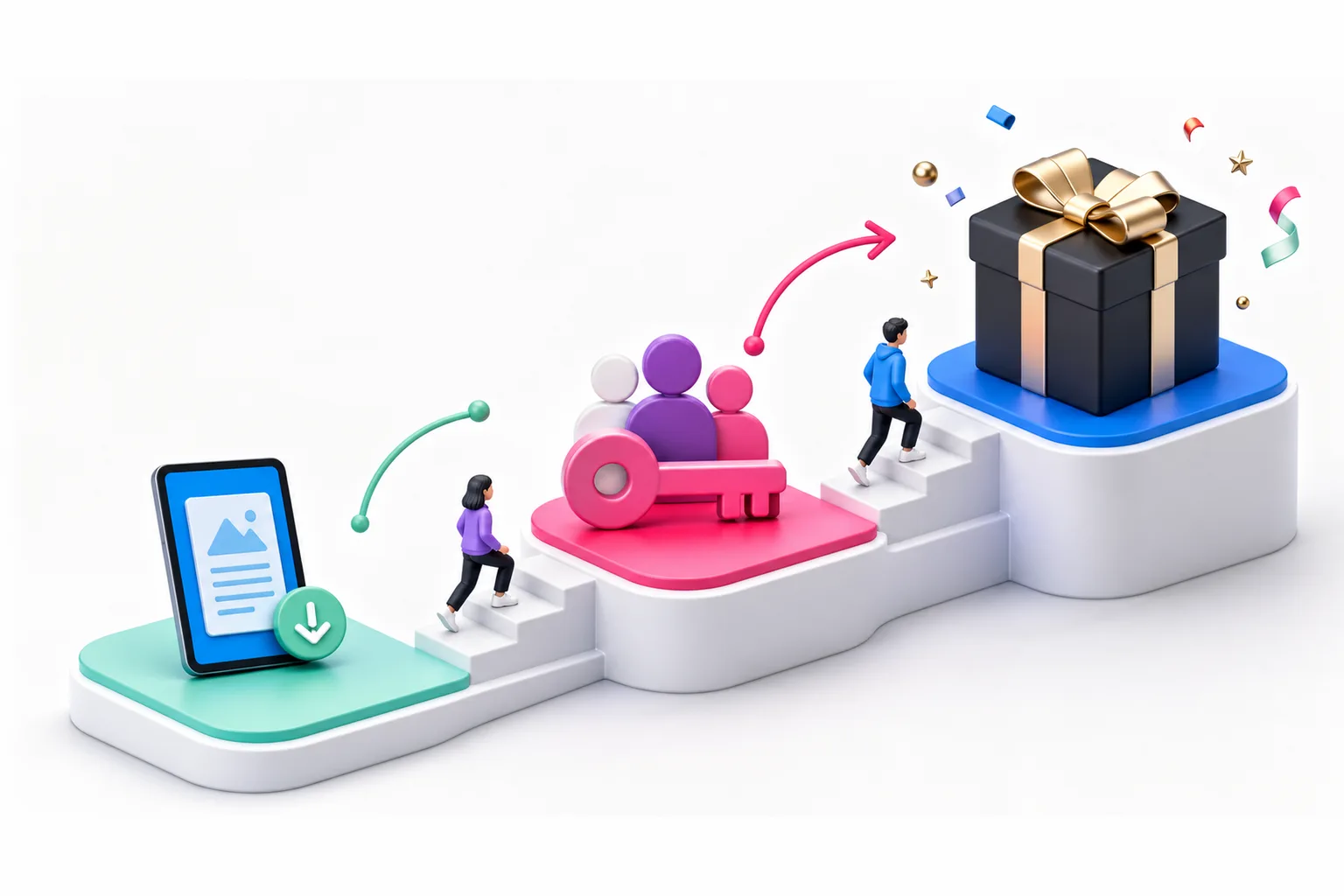
Instead of one distant reward, readers unlock a sequence:
- First milestone: a digital bonus that proves the program is real.
- Middle milestone: access, recognition, or a more valuable resource.
- High milestone: premium merchandise, an experience, or a limited physical reward.
The ladder gives readers a reason to keep going after the first referral. It also lets you reserve expensive fulfillment for the small group that creates meaningful growth.
Current newsletter platforms make this structure familiar. For example, beehiiv’s referral setup documentation covers reward milestones, milestone emails, referral cards, sharing, monitoring, and fulfillment.
The takeaway is bigger than any platform: progress should be visible, and every milestone should feel like a step—not a lottery ticket.
3. The access-and-status model
Not every reward needs a dollar value.
You can offer early access to a new feature, a private community role, a reader advisory group, a live Q&A, a founder office hour, or public recognition. These rewards work when your audience values proximity and identity more than another piece of merchandise.
This model is especially strong for niche newsletters. Ten qualified readers may care deeply about access to the person behind the publication. They may care very little about a generic tote bag.
Best for: founder newsletters, professional communities, product-led newsletters, paid publications, and highly focused B2B audiences.
4. The giveaway-entry model
Every verified referral earns bonus entries into a giveaway.
This lowers fulfillment complexity because you award a limited number of prizes instead of shipping something to every participant. It also creates urgency when the campaign has a real deadline.
The risk is lead quality. A broad cash prize can attract people who want cash, not your newsletter. Pick a prize tied to the reader’s goal and use confirmed or verified referrals rather than raw clicks.
If you use this model, read our guide to choosing a giveaway prize that attracts buyers and our giveaway lead capture funnel. More subscribers are not automatically better subscribers.
5. The sponsor-funded reward model
A sponsor supplies the prize, product credit, or premium access. You supply the audience and referral mechanics.
This can make a more ambitious reward possible without wrecking your economics. It also gives the sponsor measurable exposure beyond a logo in one issue.
The fit has to be real. A productivity newsletter can partner with a task-management tool. A local food newsletter can partner with a restaurant group. A random sponsor with a large prize will grow the wrong list.
Put the terms in writing. Define who handles fulfillment, what subscriber data is shared, what the sponsor can claim, and what happens if inventory changes.
6. The hybrid newsletter-and-launch model
Sometimes the newsletter is not the final product. It is the relationship layer around a launch, waitlist, course, community, app, or ecommerce brand.
In that case, referrals can unlock both newsletter rewards and launch benefits: earlier access, a better waitlist position, bonus giveaway entries, or a product credit after launch.
This is where a newsletter referral campaign can connect to a pre-launch waitlist instead of living in a silo. Readers keep getting useful email while the referral system builds demand for the next thing.
How to choose rewards without destroying the economics
Start with one question: What can you give that becomes more valuable to the reader without becoming much more expensive for you?
That usually points to content, access, status, software credit, partner benefits, or a carefully limited physical reward.
Use this simple three-tier structure: make the first win a digital bonus, the next an access reward, and the highest tier a limited premium reward.
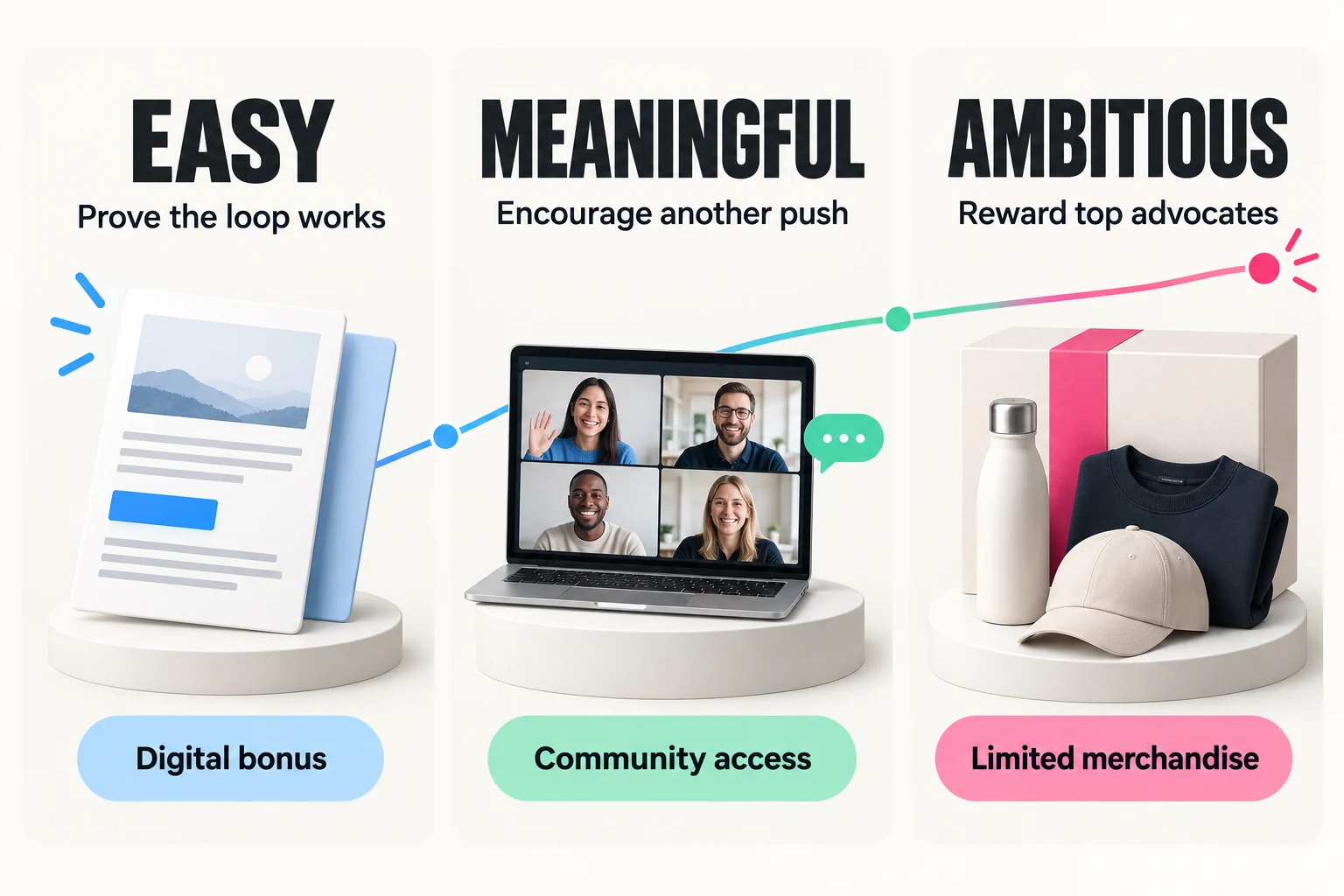
Open the milestone infographic at full size if you are reading on a phone.
The goals matter more than the exact prizes. A template or bonus issue can prove the loop works; a live session or premium archive can encourage another push; an experience or carefully limited merchandise can thank your strongest advocates.
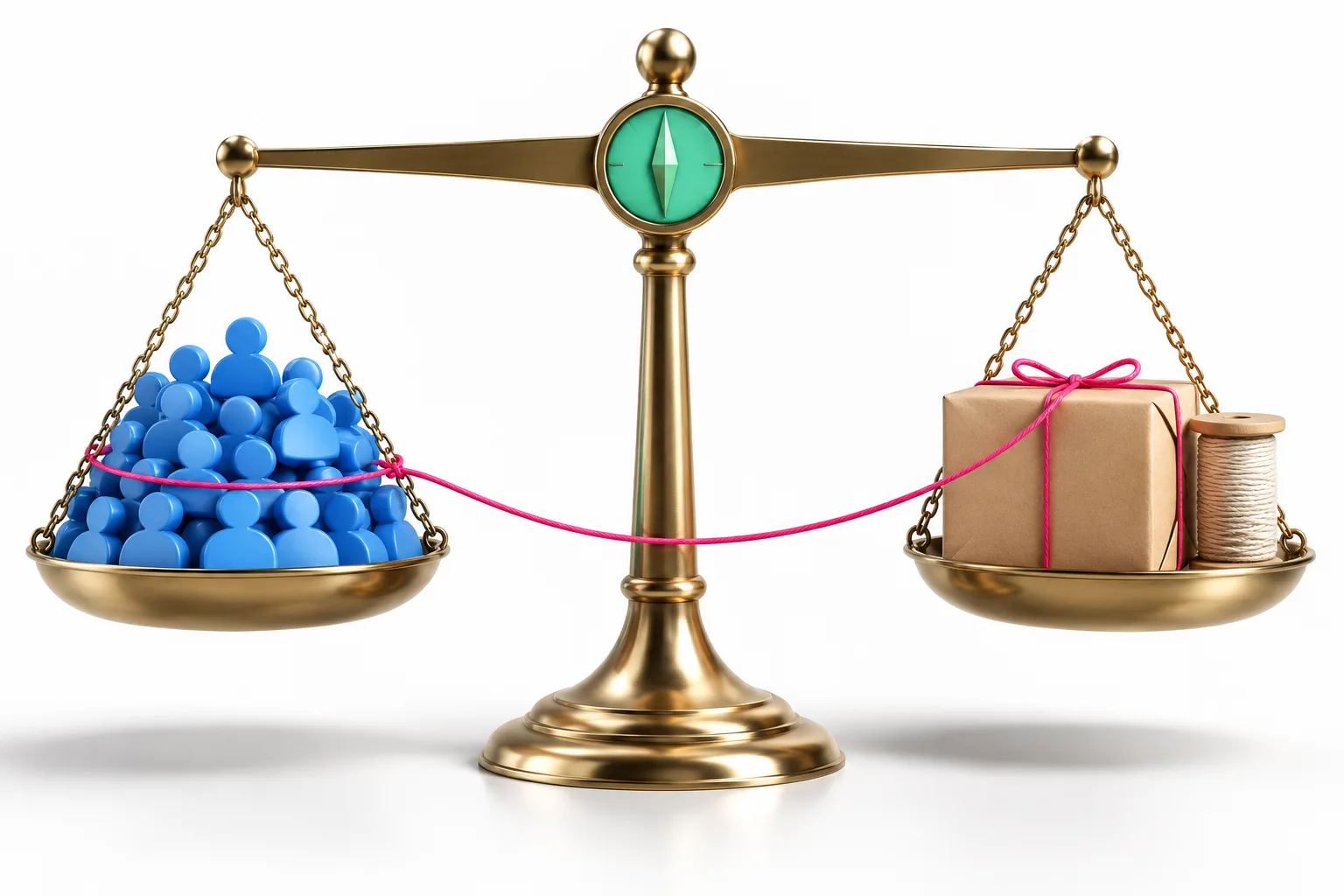
Keep the first milestone reachable. If a new reader sees “refer 50 friends” before they have referred one, they will mentally close the tab.
Do not add seven tiers because a dashboard allows seven tiers. Every extra reward creates copy, fulfillment, support, and edge cases. Three clear milestones beat a carnival midway of prizes.
beehiiv, SparkLoop, or a separate referral campaign layer?
The software choice follows the job. Do not rebuild your email stack because one referral feature has a nicer screenshot.
- Use beehiiv’s built-in program when the newsletter, subscriber records, referral block, milestone emails, and reward workflow already live in beehiiv. Its current documentation supports physical, digital, promo-code, and paid-subscription rewards, plus milestone emails and optional automatic fulfillment.
- Use SparkLoop with Kit or another supported email platform when you want newsletter-native referral fields and blocks without moving providers. Kit’s current setup guide says SparkLoop creates fields for each subscriber’s referral link, referral count, and referred status.
- Use KickoffLabs as the campaign layer when you want hosted signup and status pages, referral rewards, giveaways, leaderboards, bonus actions, fraud review, or launch mechanics while keeping your existing email provider.
Built-in is not automatically better. Separate is not automatically more powerful. Pick the smallest system that can verify the action, show progress, fulfill the reward, and send clean subscriber data back to your real email workflow.
Seven email follow-up plays that drive referrals
The referral widget is not your program. The emails are your program.
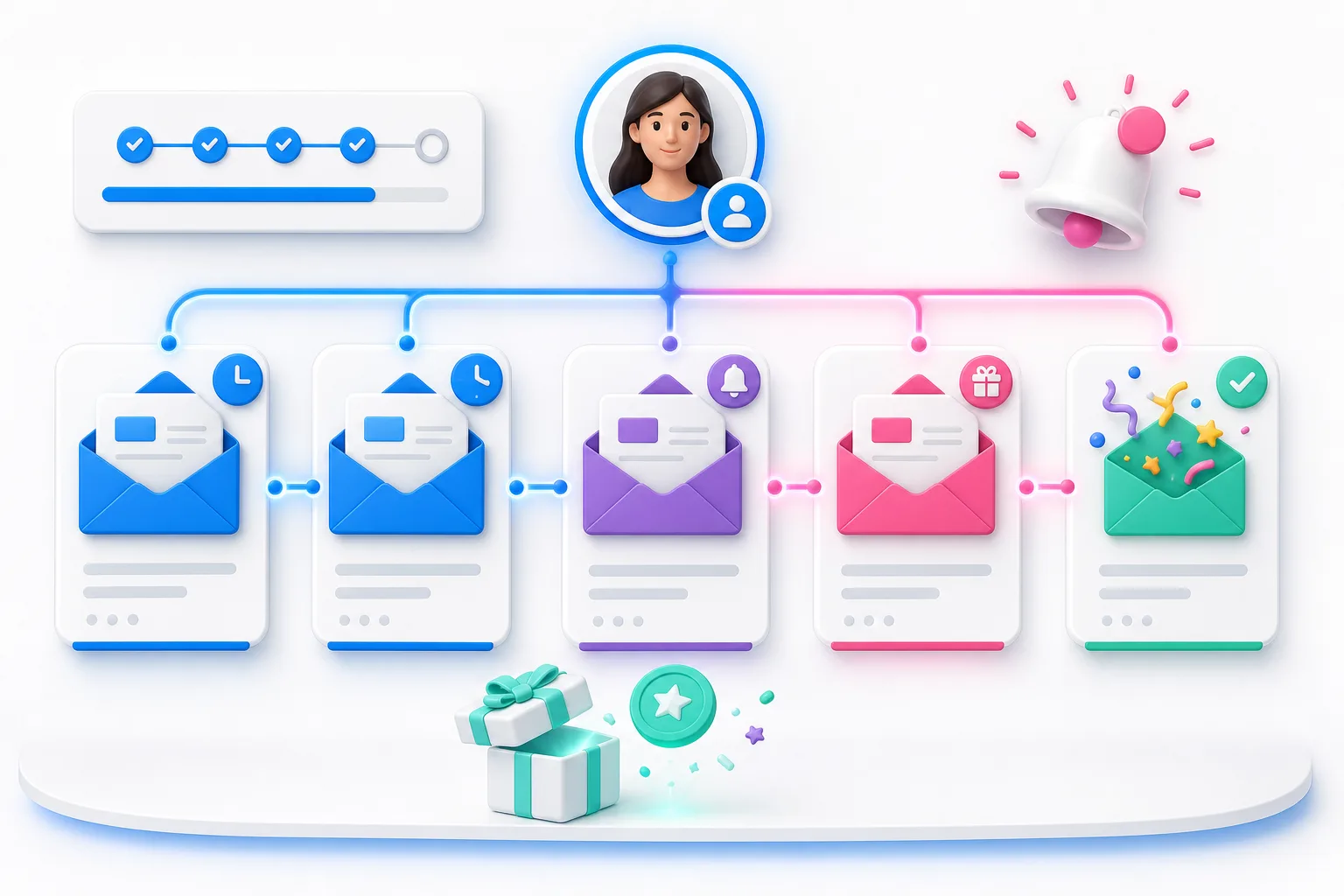
Here is a practical sequence you can adapt.
Email 1: Welcome and deliver the promise
Send this immediately after signup or confirmation.
The first job is to deliver what the reader signed up for. Tell them what arrives, when it arrives, and why it is worth opening.
Then introduce the referral program in one short block:
Know one person who would find this useful? Share your personal link below. Your first reward unlocks after one verified referral.
Do not lead with the reward. A subscriber who has not received value yet has no reason to recruit anyone.
Email 2: Explain the first reachable reward
Send this after the reader has had a chance to consume at least one useful issue.
Show the reward, the milestone, and the personal link. Keep it concrete.
You are one referral away from the launch checklist. Send this link to the one person who always asks you for launch advice.
“One person” feels possible. “Help us grow” feels like unpaid labor.
Email 3: Show progress after the first referral
Trigger this when a verified referral arrives.
Celebrate the action immediately. Tell the subscriber what unlocked, what comes next, and how many verified referrals remain.
This is where most generic programs get lazy. A silent counter wastes the strongest moment in the loop: proof that sharing worked.
Email 4: Give them a better way to share
Not everyone wants to post a public link. Offer ready-to-use copy for email, text, Slack, a community, or a social post.
Keep it human:
I have been reading this newsletter about practical product launches. This issue on [topic] was useful, so I thought of you: [referral link]
Do not make subscribers sound like your marketing department. Give them a sentence they would actually send.
Email 5: Use a content moment as the prompt
Tie the referral ask to a strong issue, new series, live event, or useful resource.
If today’s teardown helped, forward it to one teammate. They can subscribe through your personal link, and you will get credit.
The content creates the motivation. The program captures it.
Email 6: Send a near-milestone reminder
Trigger this when someone is one referral away from a reward or when an active participant has stalled.
Show exact progress. Avoid fake urgency.
You have 4 verified referrals. One more unlocks the private workshop replay.
A progress email is useful. A daily “you are almost there” campaign is how you train readers to ignore you.
Email 7: Deliver the reward and seed the next loop
Reward fulfillment should feel immediate, even if a physical item ships later.
Confirm what they earned, explain delivery, thank them, and show the next milestone without burying the win.
For a digital reward, include the link in the email. For a physical reward, collect only the information you need and set an honest delivery expectation.
A simple referral email sequence calendar
You do not need to send seven standalone campaigns to everyone. Mix broadcasts and behavior-triggered messages.
| Timing or trigger | Who receives it | |
|---|---|---|
| Immediately | Welcome + referral intro | Every confirmed subscriber |
| After value is delivered | First reward explainer | Engaged subscribers |
| On verified referral | Progress celebration | The referrer |
| After interest but no referral | Sharing examples | Subscribers who viewed or clicked referral content |
| Strong issue or event | Content-moment prompt | Relevant active readers |
| One referral from reward | Near-milestone reminder | Active referrers only |
| Milestone reached | Reward delivery | Qualified winners |
Behavior beats a rigid seven-day drip. Someone who earns a reward in an hour should not wait until day seven for the success email.
Tracking: count people, not clicks
A referral link click is not a referral. It is interest.
Track at least these events:
- Unique referral link issued
- Referral link clicked
- New subscriber signup completed
- Email confirmation or qualification completed
- Referral credited to the original subscriber
- Milestone reached
- Reward fulfilled
- Referred subscriber retained or engaged
Use verified subscribers for milestone credit when practical. Add fraud checks for self-referrals, repeated addresses, disposable domains, suspicious bursts, and duplicate identities.
The point is not to make honest readers jump through hoops. The point is to stop one person with twelve browser tabs from draining your reward budget.
KickoffLabs includes referral tracking, reward progress, campaign reporting, and fraud protection so you can manage the loop without a spreadsheet held together by hope.
Newsletter referral mistakes that look small but cost growth
Hiding the personal link
Put the link in the welcome flow, referral block, progress email, and participant status page. Do not make readers hunt for it.
Rewarding clicks
Clicks are easy to fake and do not grow the list. Reward verified, qualified subscribers.
Offering the wrong prize
A giant general-interest prize can produce a giant low-interest list. Match the reward to the newsletter promise.
Making the first milestone too hard
The first win teaches readers the system works. Make it achievable without making it meaningless.
Forgetting fulfillment
Decide who owns rewards before launch. Automate digital delivery. Set inventory limits. Write down the exception process.
Sending reminders to everyone
Segment by behavior. A reader who never opened your last five issues does not need a milestone reminder. They need a re-engagement decision.
Ignoring email and promotion rules
Referral emails are still emails. Your publication and promotional messages should use honest sender information and subject lines, provide required disclosures, and make opt-out handling work. The FTC’s CAN-SPAM compliance guide is a useful U.S. starting point.
Rewards can also create a material connection when subscribers publicly recommend your publication. The FTC Endorsement Guides Q&A says connections that could affect how people evaluate an endorsement should be disclosed clearly and conspicuously. Give participants plain disclosure language for public posts. Requirements differ by location and program, so get legal advice for your audience and campaign.
Also write clear referral terms: eligibility, qualifying actions, reward limits, fulfillment timing, fraud rules, privacy treatment, and your right to resolve errors.
How to launch a newsletter referral program with KickoffLabs
You can launch the first useful version without custom-building an attribution system.
- Define the qualifying referral. Usually that means a new, verified subscriber—not a click.
- Choose up to three milestones. Start with a digital reward, then add access or a premium reward.
- Build the signup and status experience. Show the subscriber’s personal link and current progress.
- Connect your email platform. Send subscriber data and useful tags into your existing follow-up workflow.
- Write the triggered emails. At minimum: welcome, first referral, near milestone, and reward delivery.
- Test the complete loop. Use separate addresses, confirm attribution, trigger milestones, and verify fulfillment.
- Launch to active readers first. Watch quality and support questions before promoting it to the entire list.
Here is a SOLO Eyewear campaign page featured in a KickoffLabs case study. It is an eyewear launch, not a newsletter campaign; the useful pattern to borrow is the participant-facing design: personal share link, referral-progress bar, and milestone rewards all in one place. The pictured link uses example.com, so treat the displayed count as an illustrative page state, not a measured campaign outcome.
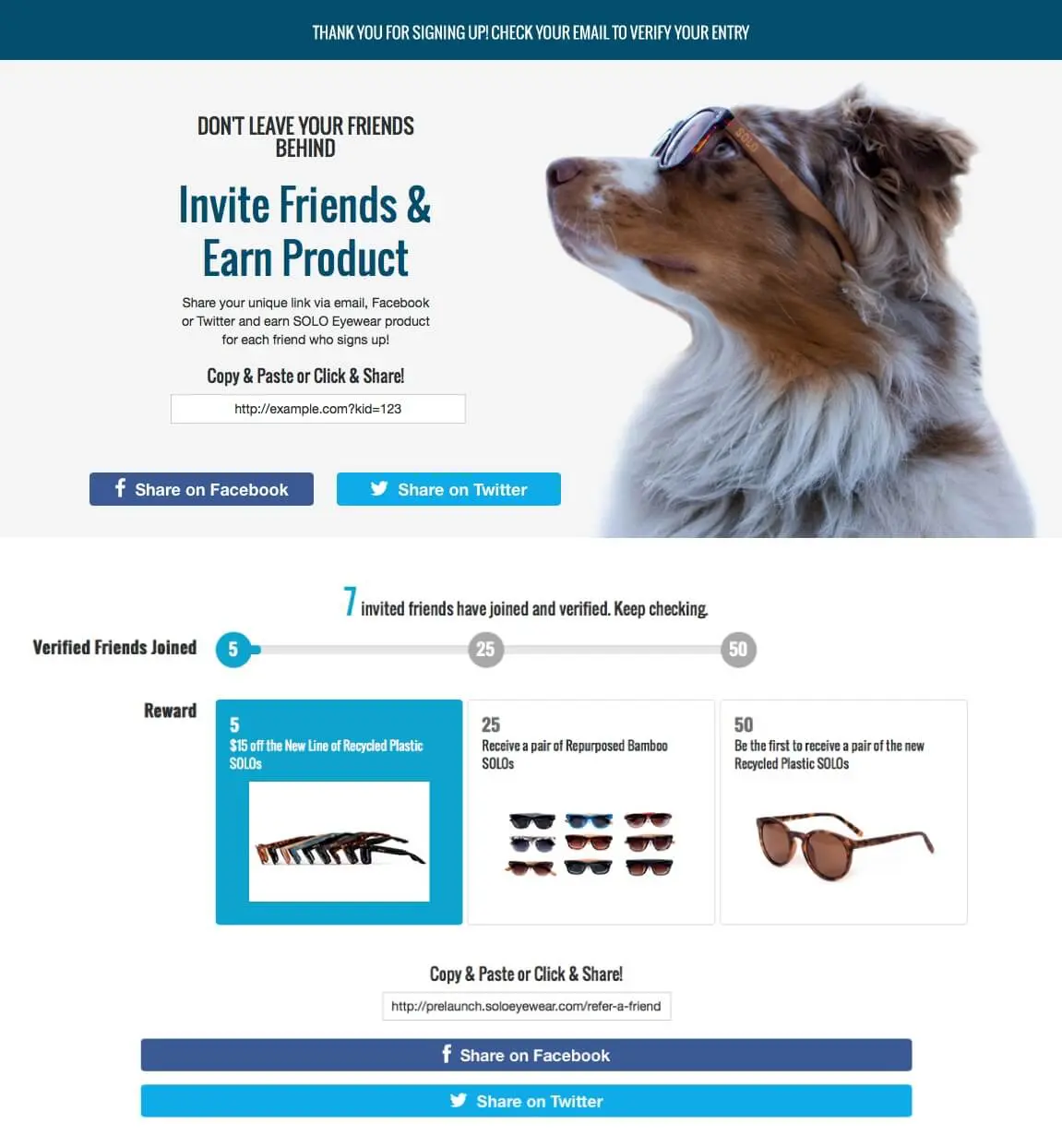
The SOLO Eyewear case study shows what a KickoffLabs-built referral page can look like. The sample link and displayed progress are not live campaign results; its eyewear prizes are not newsletter reward recommendations. Open the screenshot at full size.
KickoffLabs was built for this kind of campaign. You get landing pages, unique referral links, progress tracking, reward levels, fraud controls, and integrations without stitching together five tools and a nervous spreadsheet.
Start with our newsletter referral campaign guide, then explore reward-level campaigns if you want a visible milestone ladder.
Newsletter referral program FAQ
What is a newsletter referral program?
A newsletter referral program gives each subscriber a unique share link, credits qualified new subscribers to that link, and unlocks rewards at defined milestones. The loop works best when the referral link and progress appear inside the newsletter and follow-up emails.
How do newsletter referral programs like Morning Brew work?
Morning Brew’s historical program put a personal referral link and progress inside the newsletter, then used milestone rewards to encourage another share. In 2020, Morning Brew said referrals had driven 35% of its 2.4 million-plus subscribers; treat that as a historical case study, not a guaranteed benchmark.
What rewards work best for a newsletter referral program?
Start with a low-cost reward only your readers value: a bonus issue, template, archive, private community, event, or paid-subscription credit. Add physical merchandise only after the economics and fulfillment process work. Generic cash or gift cards often attract the wrong subscribers.
Does a newsletter referral program require new email software?
No. A built-in tool such as beehiiv can work when your newsletter and referral program live in one platform. A separate campaign layer such as KickoffLabs can sit beside your current email provider when you need hosted signup and status pages, flexible rewards, fraud controls, or campaign mechanics beyond the newsletter itself.
When should I launch a newsletter referral program?
Launch after subscribers consistently receive something worth recommending and you can define a qualified referral, useful first reward, fulfillment owner, and retention metric. A referral program multiplies reader enthusiasm; it does not repair a newsletter people already ignore.
The practical takeaway
A newsletter referral program works when sharing feels like a natural extension of reading.
Give subscribers something worth forwarding. Make the first reward reachable. Show progress immediately. Use triggered email when behavior matters and regular issues when content creates the moment.
You do not need a famous newsletter’s audience or swag budget. You need one useful promise, one personal link, and a loop that remembers to follow up.