Contents
- The fastest way to choose the right referral example
- Referral marketing software features behind these examples
- What makes a referral program example worth copying?
- Referral marketing best practices before the examples
- 1. Harry’s: milestone rewards for a launch waitlist
- 2. Robinhood: move up the waitlist by inviting friends
- 3. Dropbox: reward both sides with more product value
- 4. Airbnb: double-sided travel credits
- 5. Tesla: status plus owner incentives
- 6. SimpliSafe: double-sided purchase incentives
- 7. Typeform: customer-only referral access
- 8. Duolingo: free premium access as the reward
- 9. ClickUp: account credits and customer advocacy
- 10. Coinbase: double-sided signup bonuses
- 11. BUX Zero: simple app-install incentive
- 12. Walker’s: simple discount for both people
- Which referral program example should you copy?
- How to build your own referral campaign
- The real lesson
Referral programs work when the offer is simple enough to repeat.
Not clever. Not buried in rules. Not trapped behind five dashboard clicks.
Simple.
“Give a friend $10, get $10.”
“Invite three friends, unlock early access.”
“Share your link, earn more giveaway entries.”
That is the lesson hiding inside almost every successful referral campaign.
AI summary: The strongest referral program examples use a clear incentive, a simple share link or code, and visible progress toward a reward. Harry’s used a launch waitlist with milestone rewards. Dropbox used extra storage. Airbnb and SimpliSafe used double-sided rewards. Tesla used owner incentives and status. KickoffLabs works best for launch, giveaway, waitlist, and newsletter referral programs where the goal is to turn existing interest into measurable sharing.
Below are referral program examples worth borrowing from, plus the mechanics you can copy without building a monster.
The fastest way to choose the right referral example
Do not start by copying Dropbox, Harry’s, or Tesla. Start with the behavior you need.
- Need pre-launch demand? Copy a waitlist referral campaign with milestone rewards.
- Need more newsletter subscribers? Use our newsletter referral program guide to copy a model with private content, templates, community access, visible progress, and triggered follow-up.
- Need ecommerce purchases? Copy a double-sided reward where the friend gets a discount and the advocate gets credit.
- Need giveaway reach? Copy a bonus-entry referral loop where every friend invited creates another chance to win.
- Need better qualified leads? Copy a campaign that asks for email first, then rewards sharing after signup.
That is why referral marketing examples are more useful than generic “best practices.” You can see the promise, the reward, the sharing moment, and the follow-up. Then you can rebuild the same mechanic for your own audience.
Referral marketing software features behind these examples
The best examples look simple on the outside because the software is handling the annoying parts underneath.
For a real referral campaign, you need:
- a landing page or embedded form that explains the offer;
- a unique referral link or code for every signup;
- reward rules for milestones, bonus entries, discounts, or VIP tiers;
- email reminders that send the share link and progress updates;
- fraud checks so fake referrals do not win;
- reporting that shows which advocates and channels drove signups.
You can build some of this manually. You probably should not. The campaign gets harder to manage right when it starts working.
What makes a referral program example worth copying?
A good referral program has four things:
- A reward people understand.
- A reason the friend benefits too.
- A share path that takes seconds.
- Tracking that tells you who brought whom.
If one of those is missing, the program gets weaker.
A lot of brands obsess over the reward and ignore the flow. That is backwards. The reward gets attention. The flow gets referrals.
Before you copy any example, ask: what is the actual behavior this program is encouraging?
- More signups?
- More purchases?
- More waitlist invites?
- More newsletter subscribers?
- More social shares?
- More repeat customers?
Pick the behavior first. Then pick the reward.
Referral marketing best practices before the examples
Make the offer obvious
Your referral page should answer the question before the visitor has to scroll:
What do I get, and what does my friend get?
If the answer takes work, people leave.
Keep the rules short
Rules matter, but they should not be the headline.
Use a plain-language explanation near the form and save legal details for the terms section. For a launch campaign, something like this is enough:
Join the waitlist. Share your link. Move up when friends join.
For a giveaway:
Enter once. Get bonus entries for every friend who signs up.
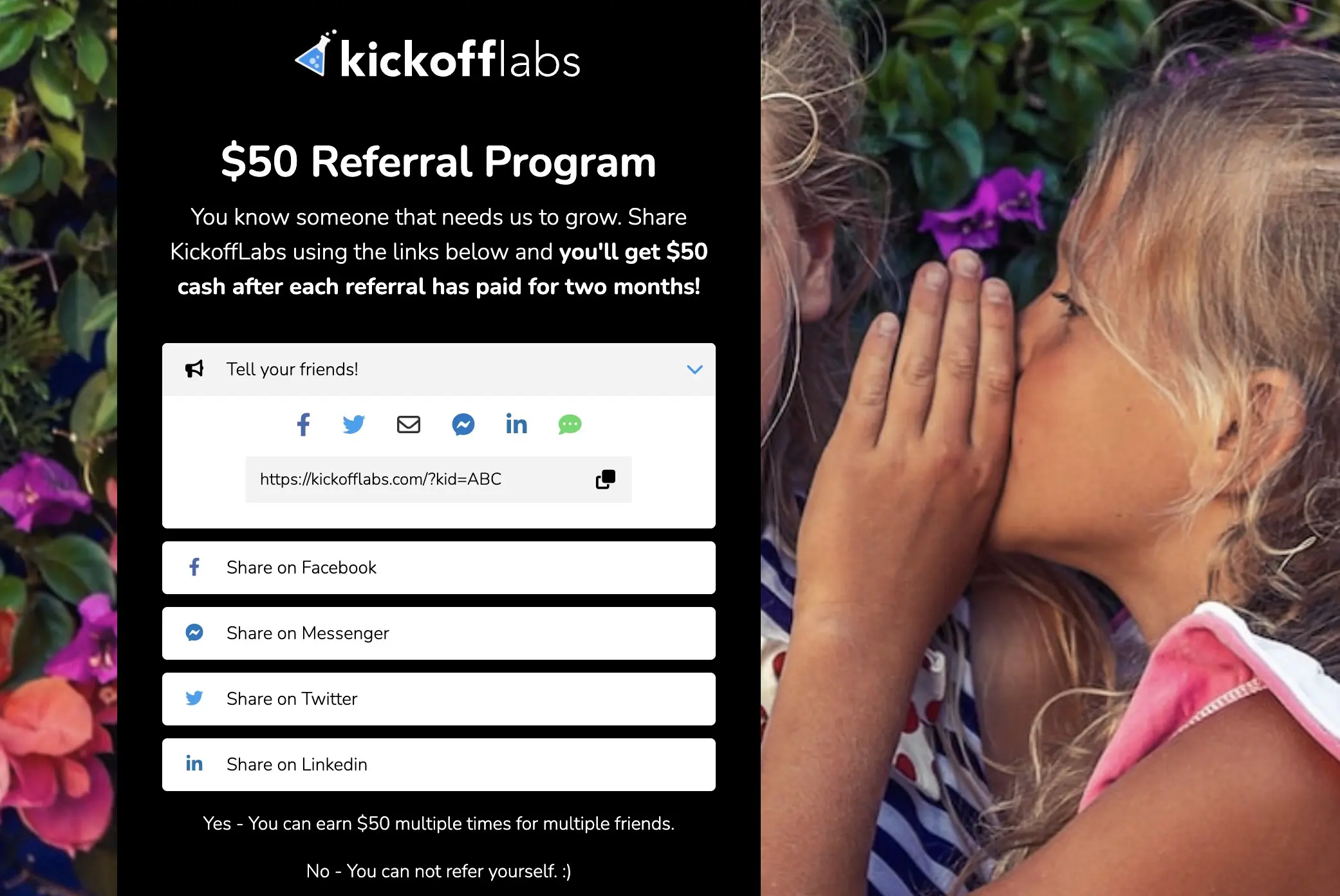
Show progress
Referral programs feel better when people can see movement.
A status page, reward bar, leaderboard, or email update gives people a reason to keep sharing.
Use rewards that match the audience
A founder waitlist does not need the same reward as a sneaker giveaway.
Match the incentive to the audience:
- early access for product launches
- bonus entries for giveaways
- account credits for SaaS and ecommerce
- discounts for purchases
- templates or private content for newsletters
- VIP status for communities
Now, the examples.
1. Harry’s: milestone rewards for a launch waitlist
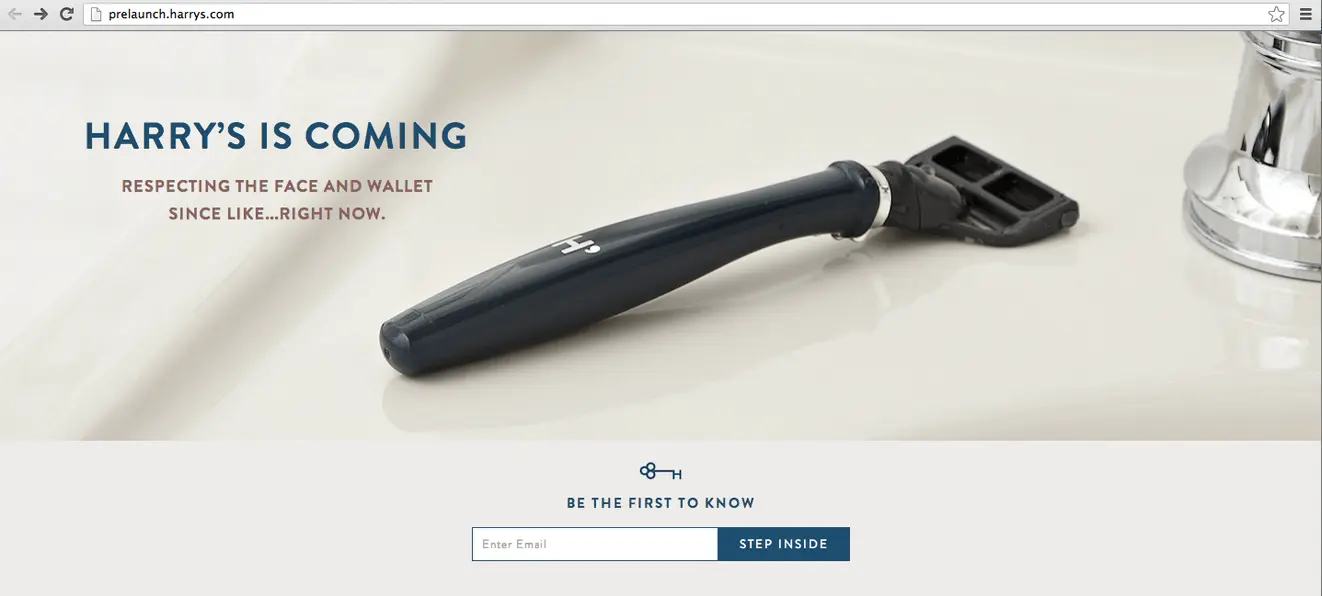
Harry’s is still one of the cleanest launch referral examples.
The idea was simple: join the waitlist, invite friends, unlock better rewards as more friends joined. The campaign gave people a reason to share before the product was widely available.
What to borrow:
- Use a waitlist before launch.
- Give each signup a unique referral link.
- Show rewards in tiers so the next milestone feels reachable.
- Make the first share happen immediately after signup.
This pattern is a great fit for reward levels and waitlist with giveaway campaigns.
If you want the tactical version, read our guide to setting up a referral rewards campaign like Harry’s.
2. Robinhood: move up the waitlist by inviting friends
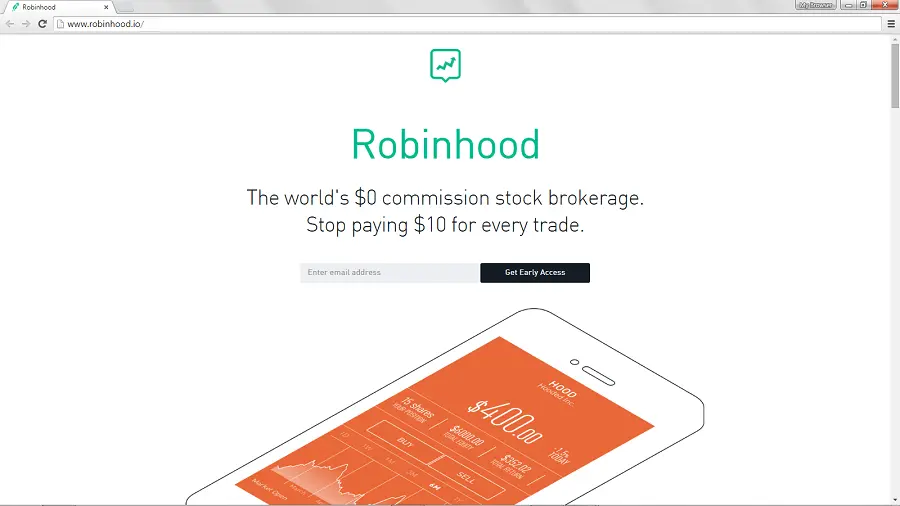
Robinhood’s early waitlist worked because the reward was not a coupon. It was status and access.
Invite friends. Move up.
That is easy to understand and easy to share.
What to borrow:
- Use position, access, or status as the reward when money is not the best incentive.
- Keep the landing page focused on one promise.
- Put the referral action on the thank-you page, not three emails later.
- Send follow-up emails when someone moves up.
This is a strong fit for product launches where scarcity is real. It is weaker if everyone gets the same access at the same time.
You can build this style with a waitlist campaign and referral tracking.
3. Dropbox: reward both sides with more product value
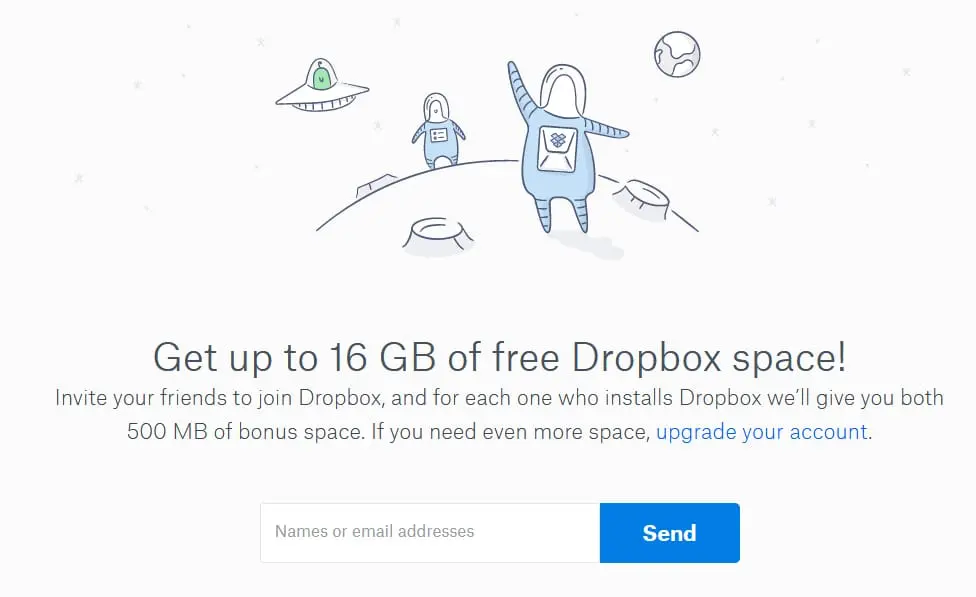
Dropbox’s referral program worked because the reward was the product.
More storage made Dropbox more useful. That is the dream referral incentive: the reward reinforces usage instead of distracting from it.
What to borrow:
- Reward people with something tied directly to your product.
- Give both sides a benefit when possible.
- Make the reward instantly understandable.
- Avoid generic swag if product value would work better.
If you run SaaS, credits, seats, limits, templates, or feature access often beat unrelated prizes.
4. Airbnb: double-sided travel credits
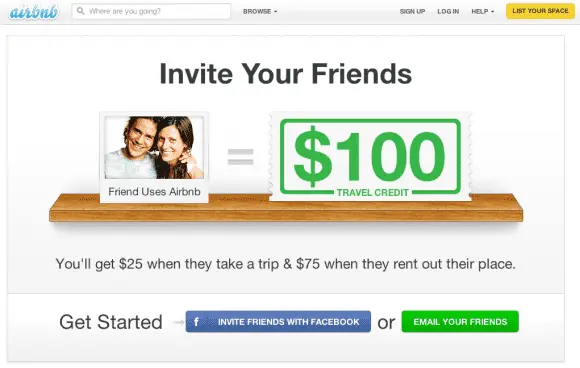
Airbnb’s referral mechanics worked because the referrer had something useful to offer the friend.
That matters.
A referral feels awkward when only the referrer wins. It feels generous when both people get value.
What to borrow:
- Make the referred person feel like they are getting a deal, not being used.
- Use double-sided rewards when trust matters.
- Keep the reward tied to the next transaction.
Double-sided rewards are especially useful for ecommerce, marketplaces, subscriptions, and local services.
5. Tesla: status plus owner incentives
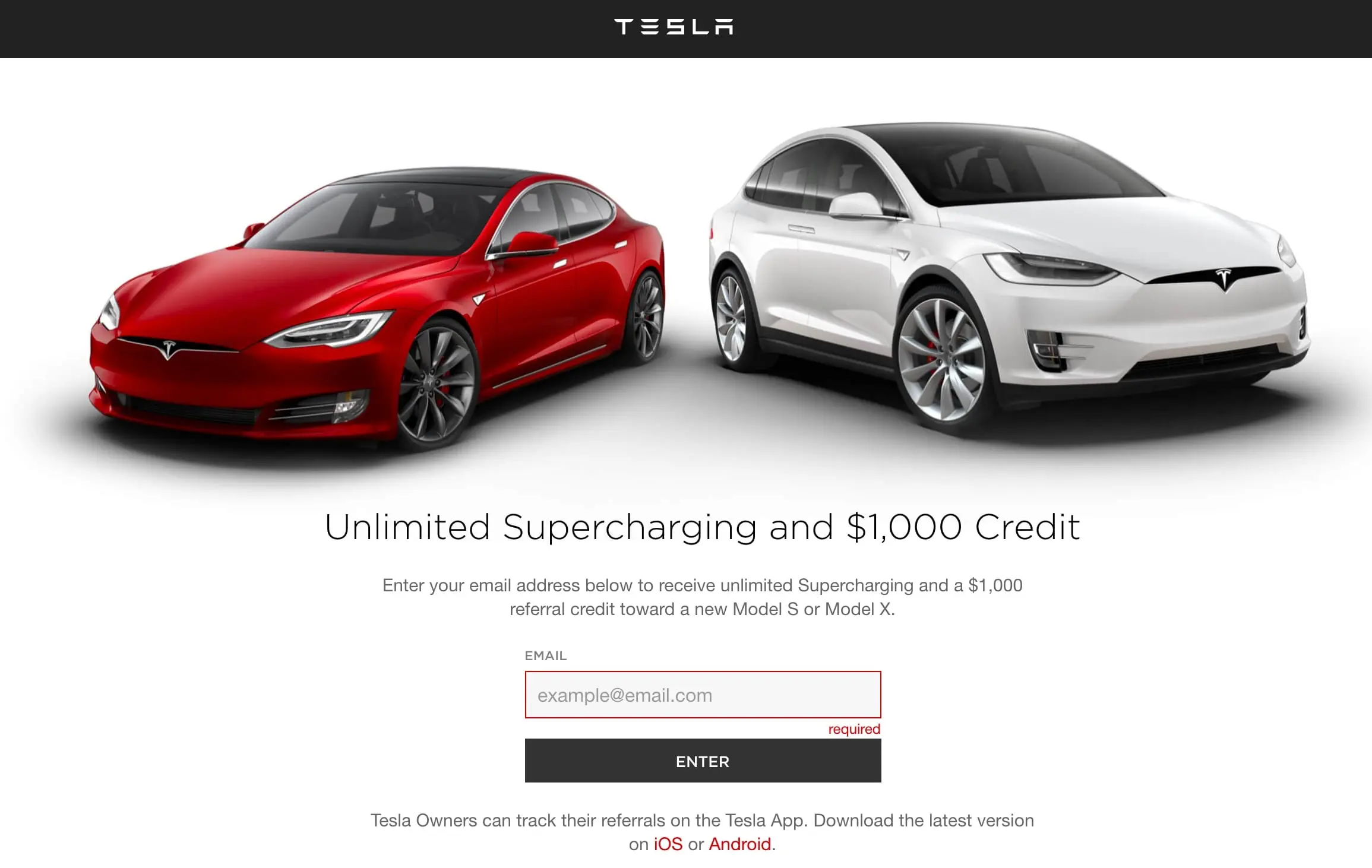
Tesla’s referral programs have changed over time, but the core idea is consistent: make owners feel like insiders for bringing in more owners.
That is different from a generic discount program.
The brand gives people identity, status, and a reason to talk.
What to borrow:
- Let your best customers feel like part of the story.
- Use rewards that match the emotional value of the product.
- Do not make the program feel like a cheap coupon if the brand is premium.
Some products are shared because they say something about the customer. Referral programs can support that instead of flattening everything into cash.
6. SimpliSafe: double-sided purchase incentives
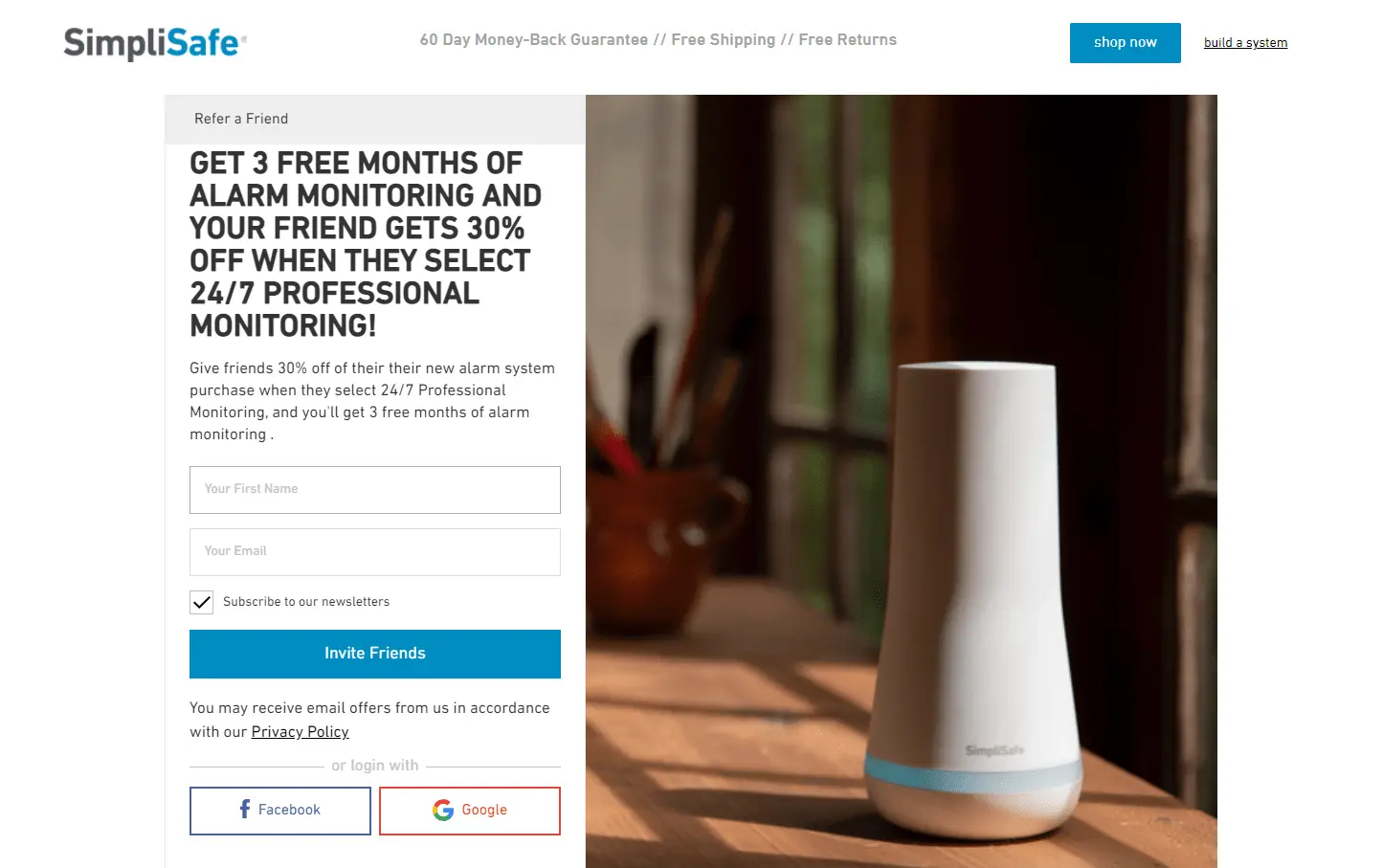
SimpliSafe is a useful example because the product has a clear household trigger: people talk about safety, moving, family, and home setup.
A referral program gives that conversation a measurable next step.
What to borrow:
- Use the natural conversation around your product.
- Give the referred person a reason to act now.
- Reward the existing customer after the qualified purchase or signup.
This model works best when the product has trust built in. People do not recommend security products lightly.
7. Typeform: customer-only referral access
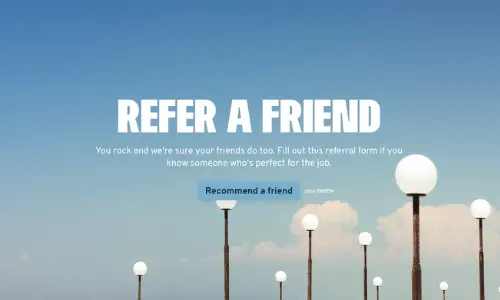
Typeform’s referral approach is a reminder that not every referral program needs to be open to everyone.
Sometimes the best referrers are your best customers.
What to borrow:
- Give referral access to qualified customers first.
- Use the program as a loyalty perk.
- Keep the reward aligned with the subscription.
This can work well for SaaS products where power users already understand the value and can recommend it credibly.
8. Duolingo: free premium access as the reward
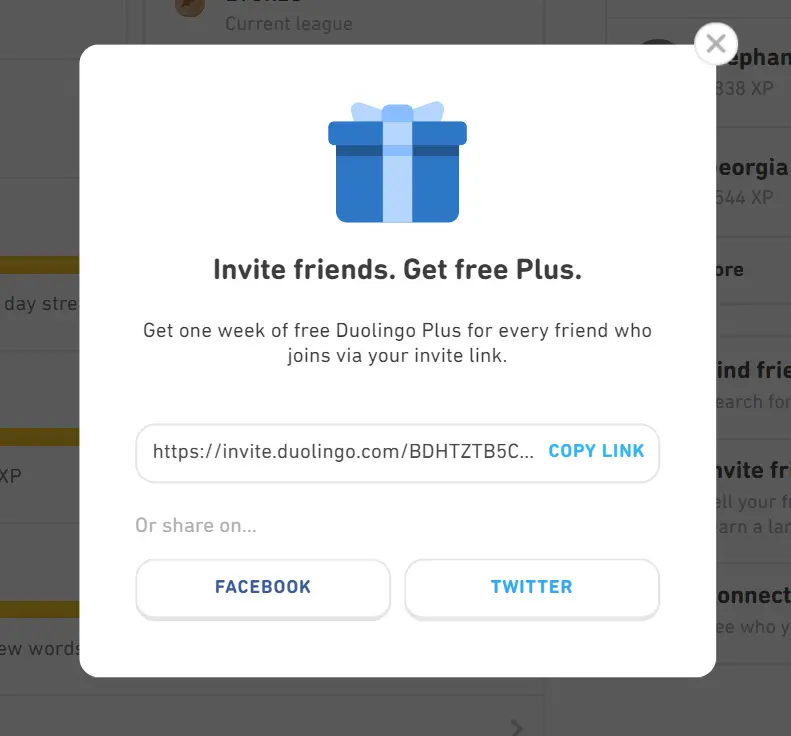
Duolingo’s referral incentive is a smart product-sampling loop.
The referrer gets temporary premium access. That reward has two jobs: it thanks the referrer and lets them experience the paid product.
What to borrow:
- Use referrals to expose free users to paid value.
- Reward with a trial, upgrade, or premium feature.
- Make the reward easy to redeem.
If your paid product is genuinely better, a referral reward can double as a conversion path.
9. ClickUp: account credits and customer advocacy
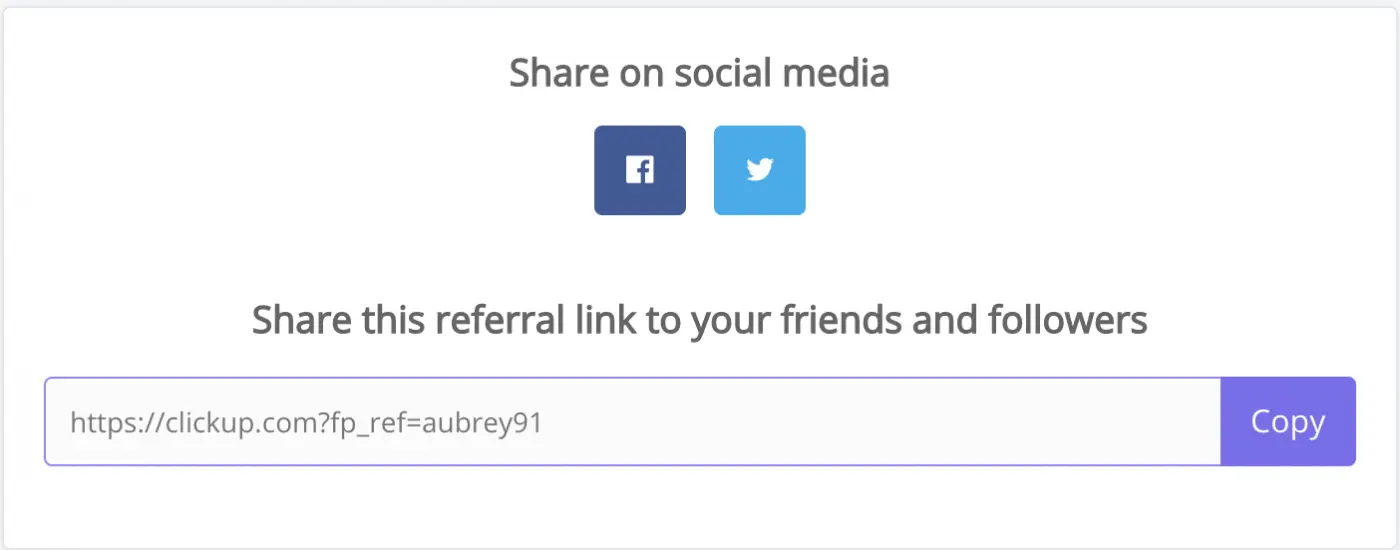
ClickUp’s referral program fits a common SaaS pattern: give existing users credits, discounts, or rewards when they invite new users.
The important part is reducing friction.
If the user has to explain the product from scratch, sharing slows down. Give them a link, short copy, and a page that handles the pitch.
What to borrow:
- Give users a simple link and clear value prop.
- Use credits when the product has recurring billing.
- Make the landing page do the heavy lifting.
10. Coinbase: double-sided signup bonuses
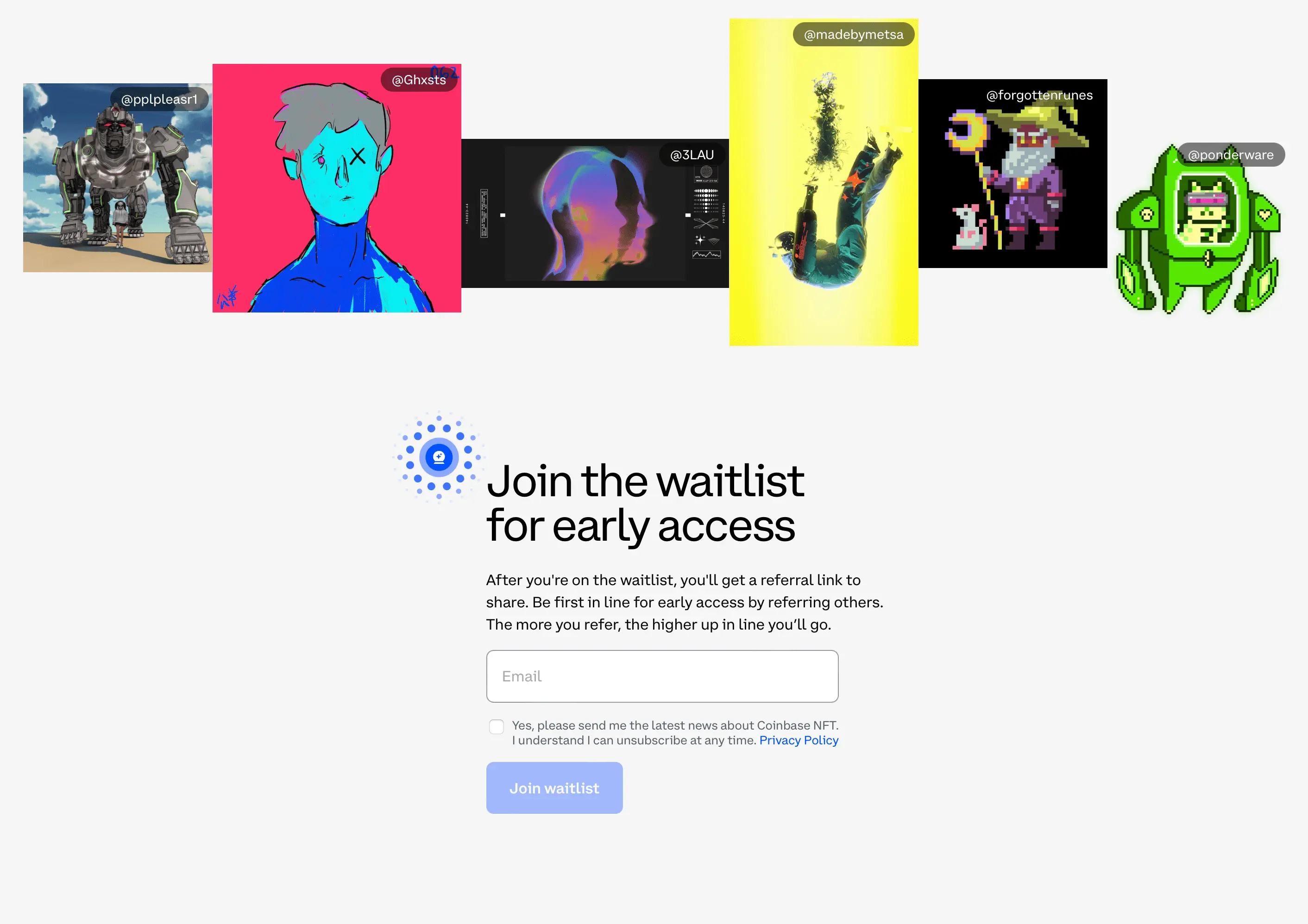
Coinbase’s referral model is direct: invite someone, and both sides can receive a bonus when the new person completes the required action.
Financial products need trust, so the referred person benefit matters a lot.
What to borrow:
- Define the qualifying action clearly.
- Reward both sides when trust is a barrier.
- Keep compliance and eligibility rules visible.
For regulated or high-trust categories, clarity beats hype.
11. BUX Zero: simple app-install incentive
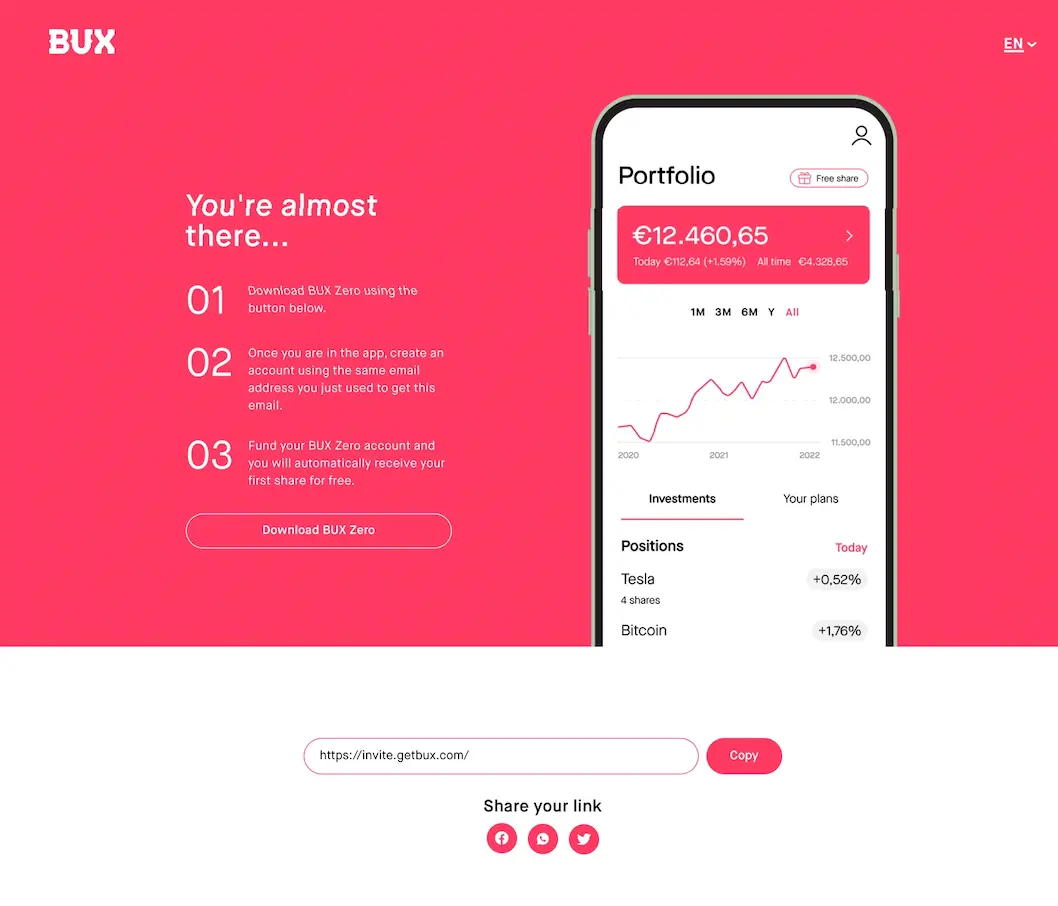
BUX Zero’s referral mechanic is another version of the product-value reward: sign up, download the app, and get something tied to the experience.
What to borrow:
- Tie the reward to activation, not just signup.
- Make the next step obvious on mobile.
- Do not over-explain if the offer is already clear.
Mobile referral campaigns live or die on friction. If the referral path takes too long, people bail.
12. Walker’s: simple discount for both people
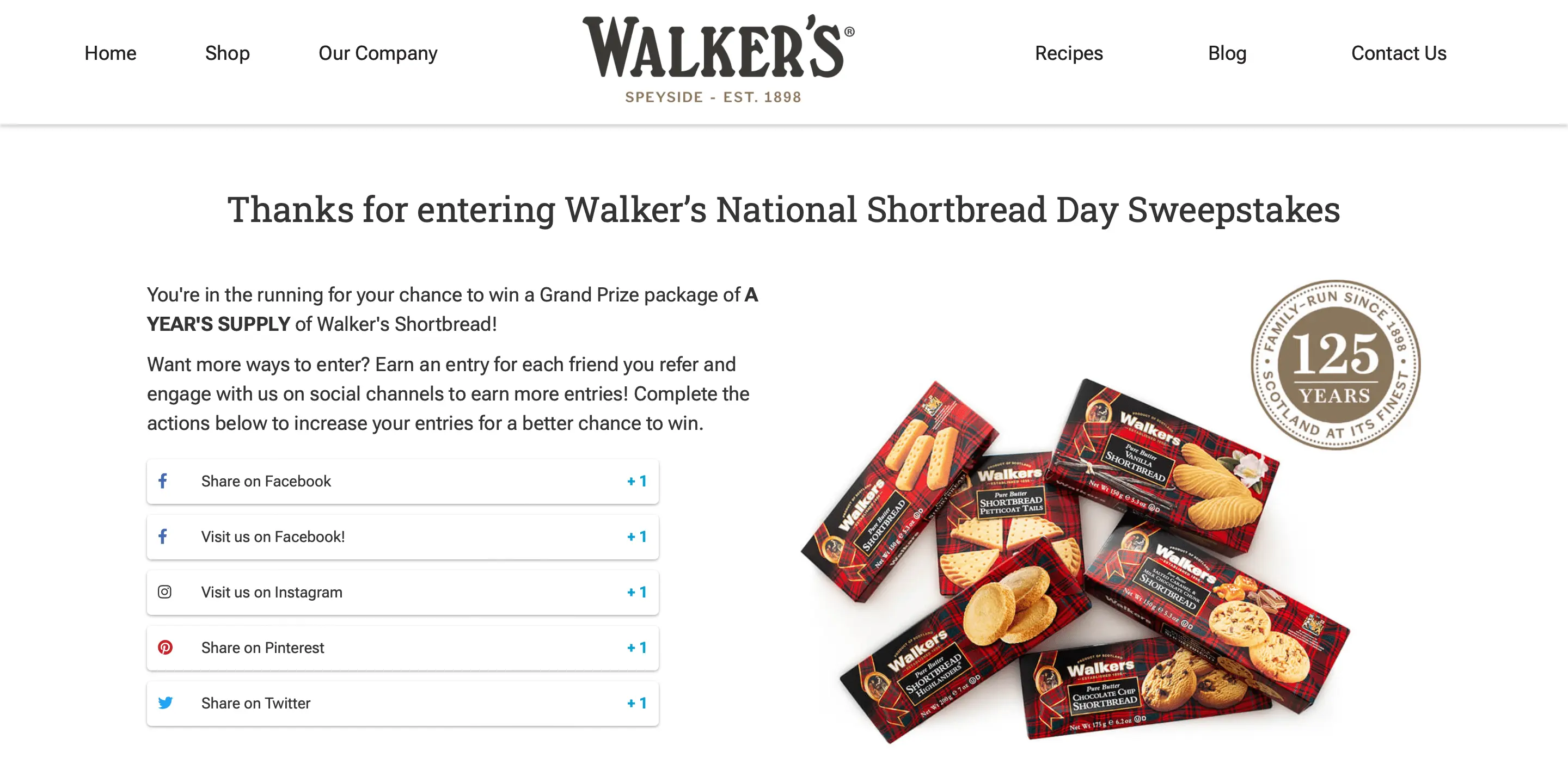
Walker’s shows the classic ecommerce version: refer a friend, both people get a discount.
It is not fancy. It does not need to be.
What to borrow:
- Use discounts when purchase intent is already there.
- Make the friend benefit clear.
- Send reminders before the discount expires.
For ecommerce, the boring mechanics often work because the offer is obvious.
Which referral program example should you copy?
Do not copy the brand. Copy the mechanic.
Use this shortcut:
- If you are launching a product, copy Harry’s or Robinhood: waitlist + referral link + milestone or access reward.
- If you sell subscriptions, copy Dropbox, Duolingo, or ClickUp: product value + credits + upgrades.
- If trust matters, copy Airbnb, SimpliSafe, or Coinbase: double-sided reward.
- If you sell ecommerce products, copy Walker’s: give both people a clean discount.
- If you want viral giveaway growth, use KickoffLabs: bonus entries + referral tracking + thank-you page sharing.
The mechanic matters more than the logo on the case study.
How to build your own referral campaign
Start with one sentence:
Share this with friends and get ___ when they ___.
Fill in the blanks before you build anything.
Examples:
- Share this with friends and get bonus entries when they enter the giveaway.
- Share this with friends and move up the waitlist when they join.
- Share this with friends and get store credit when they buy.
- Share this with friends and unlock the next reward when three people subscribe.
Then build the pieces:
- A landing page with a clear offer.
- A signup form that asks for as little as possible.
- A thank-you page with the referral link.
- A reward structure people understand.
- Email reminders that show progress.
- Referral tracking so you know what happened.
- Fraud detection so the scoreboard stays fair.
KickoffLabs was built for these campaigns. You can launch a referral reward program, reward levels campaign, newsletter referral campaign, or waitlist with giveaway without gluing together a dozen tools.
The real lesson
The best referral programs do not ask people to “spread the word.”
They make the next share obvious.
They give people a reason.
They track the result.
That is the whole game.
If you want the foundation first, read what a referral program is, what referral links are, and how referral codes work.
Then pick the simplest reward your audience would actually care about and launch it.