Contents
- What “quality” means in a giveaway
- The five places lead quality is created
- Start with the lead, not the prize
- Use the landing page to repel the wrong people
- Ask one useful question on the form
- Score behavior, not just identity
- Build referral incentives that do not poison the list
- Add fraud controls before you need them
- Follow up while the entrant still remembers you
- Segment before you sell
- The simple giveaway lead quality checklist
- Where KickoffLabs fits
- The goal is not fewer leads. It is better odds.
Big entry numbers can lie to your face.
A giveaway can generate a list that looks impressive in a dashboard and still be useless two weeks later. The problem usually is not the idea of running a giveaway. The problem is that the campaign rewarded the wrong behavior.
If your prize is generic, your form asks nothing useful, your referral reward only values volume, and your first follow-up waits until the contest is over, you should expect a list full of people who wanted free stuff.
That is not a lead-quality problem. That is a campaign-design problem.
Quick answer: Giveaway lead quality improves when the campaign attracts buyers before it asks for an email. Use a buyer-relevant prize, a focused landing page, one or two smart qualification fields, referral incentives that reward quality signals, fraud controls that catch fake entries, and fast follow-up that teaches entrants why your product matters. The goal is not the biggest list. The goal is a list you can segment, nurture, and sell to.
This guide is the missing middle between choosing a prize that attracts buyers and building a giveaway lead capture funnel.
What “quality” means in a giveaway
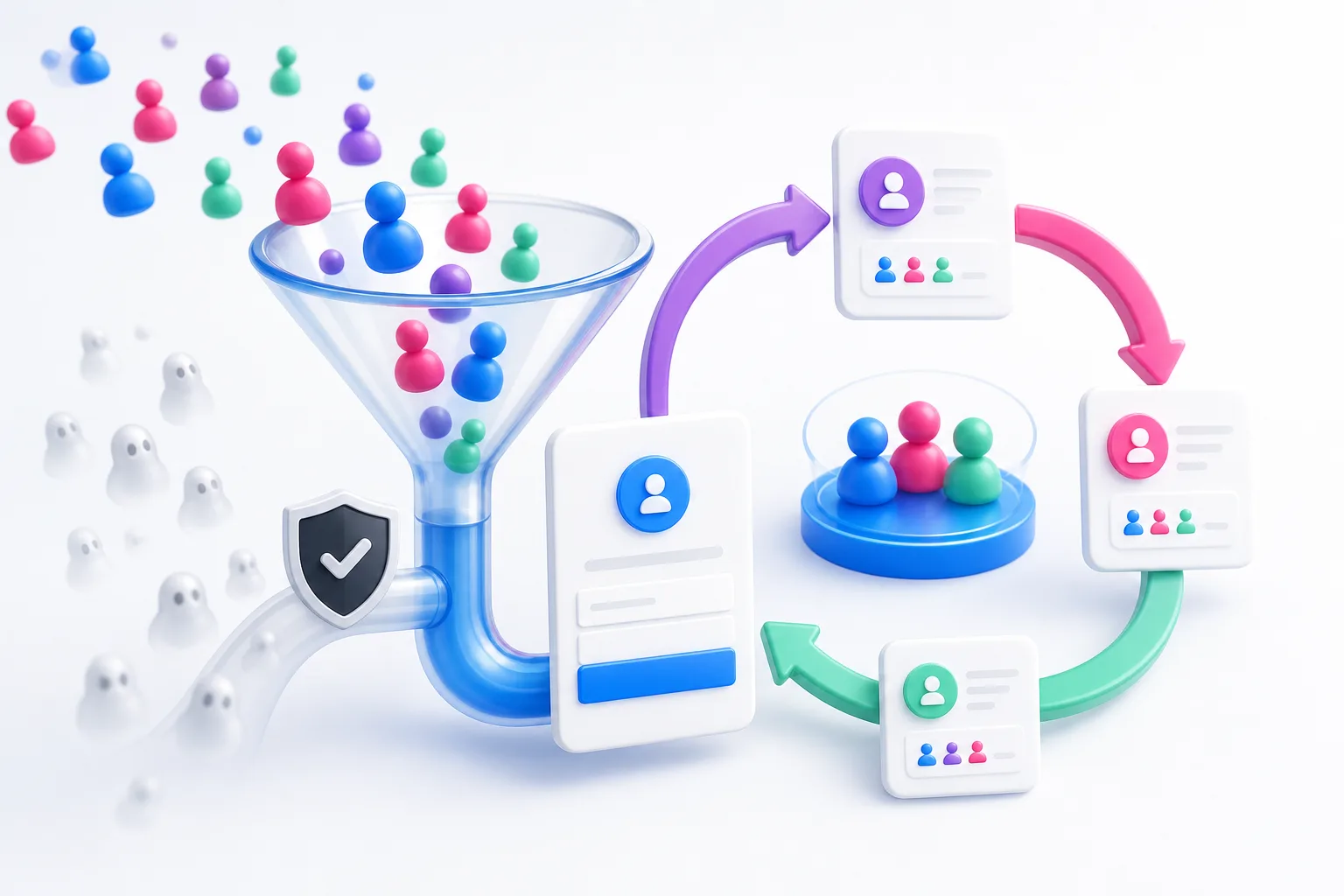
A qualified giveaway lead is not just someone with a real email address.
A qualified lead has a reason to care after the winner is picked.
That reason might be:
- They have the problem your product solves.
- They fit your target audience or buyer persona.
- They chose a segment, goal, product category, or use case that matches your offer.
- They shared with people who also match your audience.
- They engaged with your follow-up before the prize announcement.
Notice what is not on the list: “entered quickly.”
Easy entry is good. Frictionless entry is not automatically good. If your campaign asks for an email and nothing else, every entrant looks equal until your email platform proves otherwise.
By then, you have already paid for the prize, traffic, creative, and time.
Lead quality starts before the form.
The five places lead quality is created
Most teams treat lead quality like something they can fix later in the CRM.
You can score, clean, and segment after the campaign. You should. But the best lead-quality improvements happen earlier.
There are five places to fix it:
- Prize: Does the reward attract your buyer more than a random person?
- Positioning: Does the landing page explain who the campaign is for?
- Form: Does the entry form collect one or two useful qualification signals?
- Referral loop: Does the campaign reward relevant sharing, not just raw invite spam?
- Follow-up: Does the entrant learn about your product while motivation is high?
If one of those is wrong, the others have to work harder.
If all five are wrong, congratulations. You built a freebie magnet.
Start with the lead, not the prize
The fastest way to improve giveaway lead quality is to write down the lead you actually want.
Not “more subscribers.”
Not “people interested in our brand.”
A real sentence.
For example:
- “Parents shopping for back-to-school supplies for elementary-age kids.”
- “Founders launching a SaaS product in the next 90 days.”
- “Ecommerce buyers interested in outdoor cooking gear.”
- “Newsletter subscribers who want practical marketing templates, not generic inspiration.”
Now pick a prize that makes that person lean forward.
A founder-launch bundle will attract a different crowd than a $500 Amazon card. A premium outdoor cooking kit will attract a different crowd than an iPad. A product credit, VIP package, or expert consult will attract a different crowd than cash.
People self-select based on the prize.
That is why the prize is not decoration. It is targeting.
Use the landing page to repel the wrong people
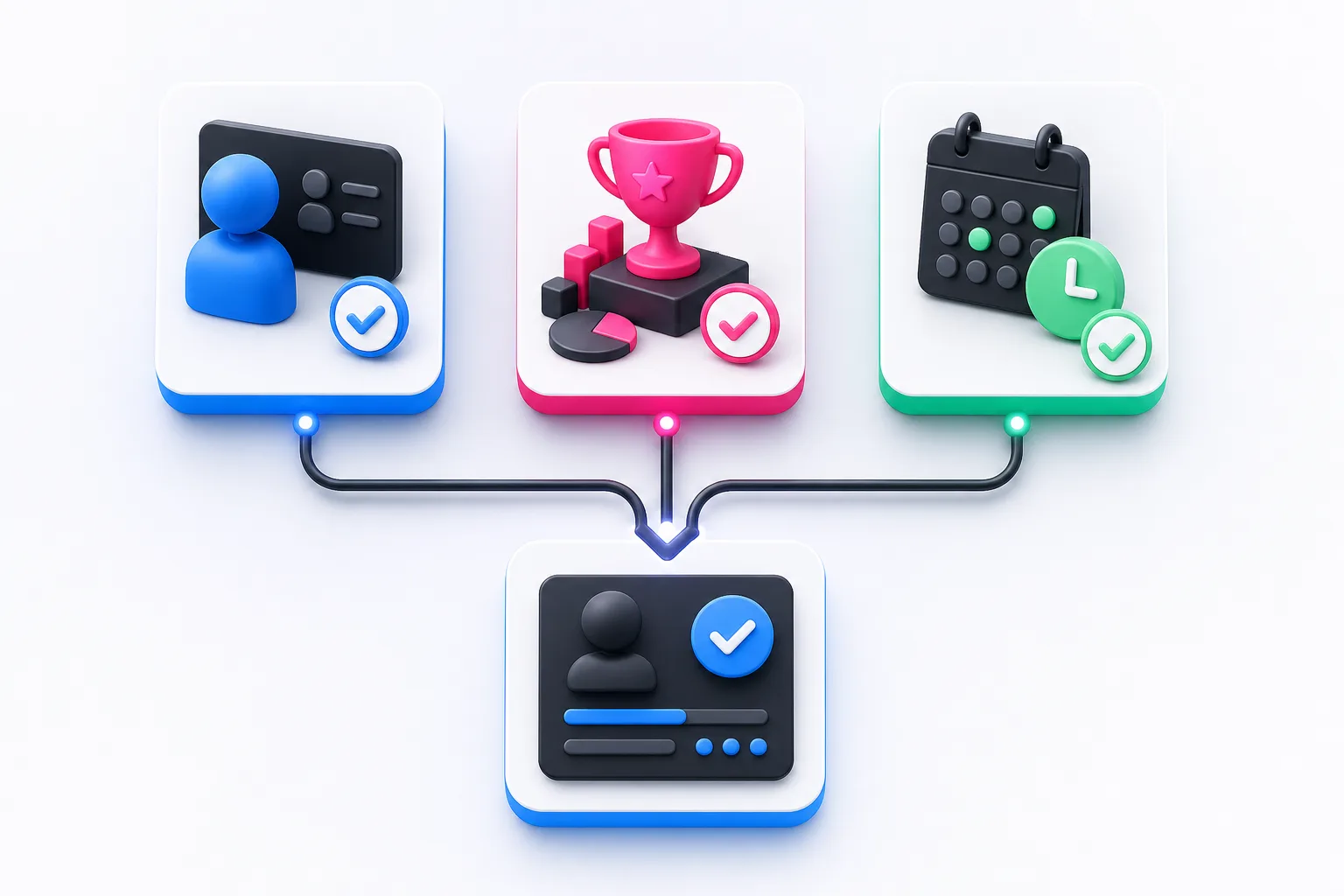
A good giveaway page does not only persuade. It filters.
That sounds harsh, but it is useful.
If your campaign is for ecommerce founders, say that. If it is for local parents, say that. If it is for people preparing for a product launch, say that above the fold.
Do not hide the audience in paragraph four.
A qualified giveaway landing page should answer four questions fast:
- What can I win?
- Who is this for?
- Why should I care if I do not win?
- What happens after I enter?
That third question is where quality improves.
If the only benefit is the prize, you are collecting prize interest. If the page also explains the product, use case, launch, newsletter, or community behind the prize, you are collecting audience interest.
This is why a purpose-built giveaway landing page beats sending people to your homepage. A homepage gives visitors exits. A campaign page gives them context.
Ask one useful question on the form
Do not turn your giveaway form into a tax audit.
Every field costs conversions. But zero qualification fields can cost you the campaign.
The trick is to ask one question that helps you segment follow-up.
Good giveaway qualification fields include:
- “What best describes you?” with role or audience options.
- “What are you trying to accomplish?” with goal options.
- “When are you planning to launch?” for waitlist and startup campaigns.
- “Which product category are you most interested in?” for ecommerce campaigns.
- “What size is your team?” for B2B campaigns where team size matters.
Bad fields are the ones you ask because a sales dashboard has an empty column.
Phone number, company size, budget, address, and job title can all be useful in the right campaign. They can also crush entry rates if you ask too early.
Use the minimum field that changes what you send next.
If the answer will not change your follow-up, do not ask it yet.
Score behavior, not just identity
A giveaway lead gets more interesting when they do something after entering.
That might be opening the first email, clicking a product link, choosing a specific prize category, referring a qualified friend, completing a campaign action, or visiting a pricing page.
This is where KickoffLabs contest actions are useful. You can reward useful behaviors like visiting a page, watching a video, answering a question, following a social account, or sharing with friends.
But be careful.
Do not reward busywork. Reward intent.
A lead who clicks “learn how it works” may be more valuable than a lead who follows three random social accounts for points. A lead who refers two people in the same niche may be more valuable than a lead who dumps a link into a giveaway forum.
Volume is not the same as quality.
Build referral incentives that do not poison the list
Referral rewards are where giveaway lead quality can either compound or collapse.
A strong referral loop brings you more people like your best entrants. A weak referral loop brings you more people like your worst entrants.
The difference is the reward structure.
If you only reward raw referral count, you invite spam. If you reward verified referrals, qualified actions, milestone progress, or product-relevant sharing, you create a better loop.
For a launch campaign, that might mean giving extra entries for verified friends who join the waitlist and choose a launch-stage segment. For an ecommerce campaign, it might mean rewarding referrals who select the same product category. For a newsletter campaign, it might mean rewarding referrals who confirm their email and click the welcome issue.
Keep the share ask simple. Keep the scoring smarter behind the scenes.
KickoffLabs is built for this kind of campaign because referrals, reward levels, fraud checks, and lead data live together instead of being duct-taped across five tools.
Add fraud controls before you need them
Every successful giveaway attracts some junk.
That does not mean the campaign failed. It means people noticed.
The mistake is waiting until the leaderboard looks weird to care about fraud.
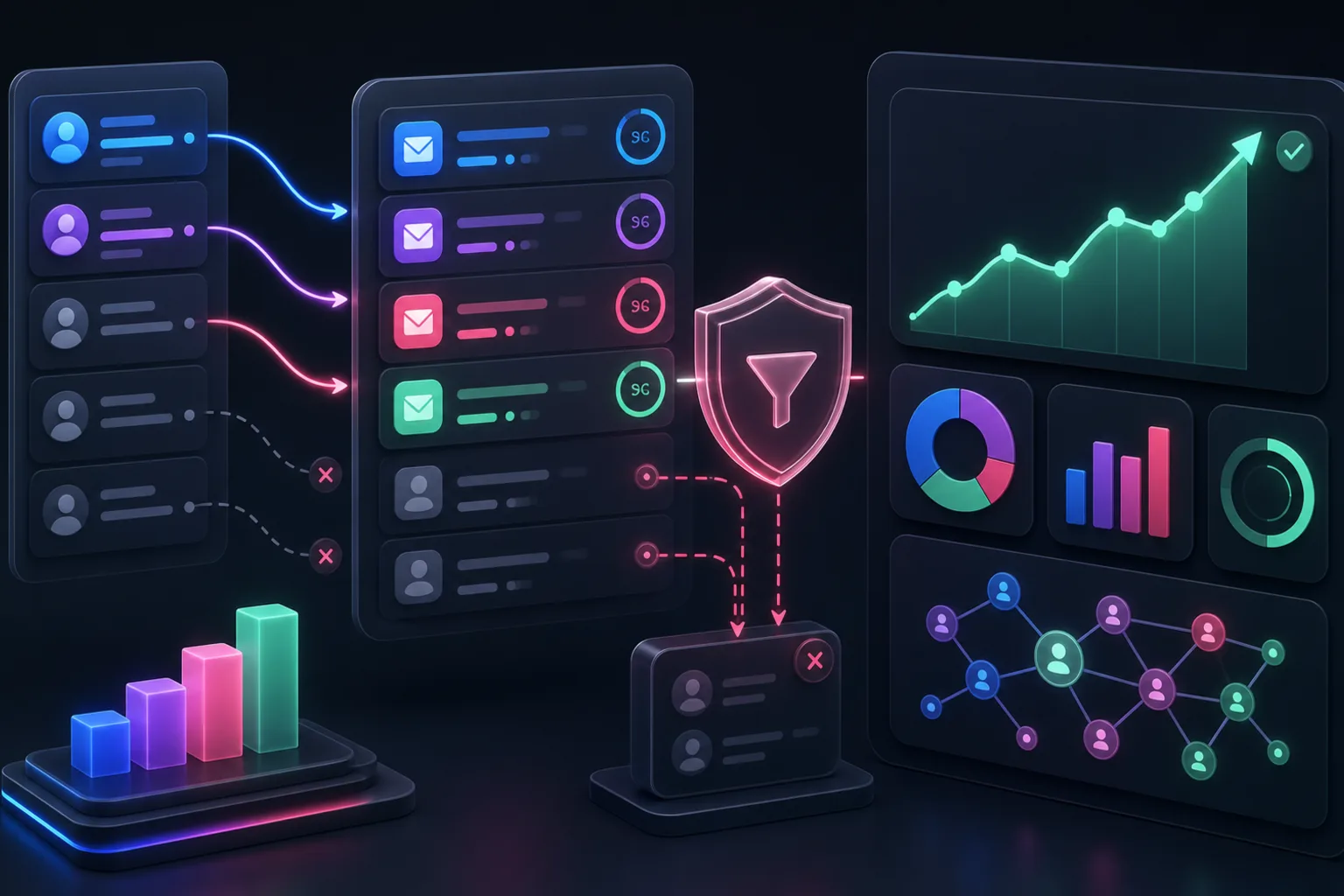
At minimum, you want protection against throwaway emails, duplicate entries, suspicious referral patterns, fake traffic bursts, and entrants who game actions for points. For larger prizes, you also want clear rules, eligibility requirements, winner-selection criteria, and a manual review step before announcing a winner.
This is not just about fairness. It protects lead quality.
If fake leads climb the leaderboard, real entrants lose trust. If suspicious referrals count the same as verified referrals, your data gets noisy. If you announce a winner before reviewing the entry trail, you create a headache you did not need.
Use contest fraud detection and a clear winner-picking process as part of the campaign plan, not as cleanup.
Follow up while the entrant still remembers you
Waiting until the giveaway ends to explain your product is a rookie move.
By then the entrant has forgotten why they signed up. Their inbox has moved on. Your brand is “that giveaway thing from last week.”
The first email should arrive immediately.
It should do four jobs:
- Confirm the entry.
- Explain how to earn more chances or rewards.
- Remind them why the campaign exists beyond the prize.
- Point them toward one useful next action.
That next action should match the campaign.
For a waitlist, ask them to share for earlier access. For a sweepstakes, show them a product category or buying guide tied to the prize. For a B2B campaign, invite them to a short checklist, demo, webinar, or template that matches the qualification field they chose.
Also keep the boring legal stuff clean.
The FTC says social endorsements should make material connections clear and easy to understand, so if you ask people to post for entries, require an obvious disclosure like #contest or #sweepstakes where appropriate. The FTC’s CAN-SPAM guide also says commercial emails need accurate headers, non-deceptive subject lines, a physical mailing address, and a clear way to opt out.
That is not a growth hack. It is table stakes.
Segment before you sell
Not every entrant should get the same message.
This is where most giveaway lists go stale. Everyone receives the same announcement, the same sales pitch, and the same “last chance” email. Then the team decides giveaways do not work.
Try this instead.
Segment entrants into simple groups:
- High intent: chose a buyer-relevant goal, clicked product links, referred verified friends, or visited pricing.
- Nurture: engaged with educational content but did not show buying intent yet.
- Prize-only: entered but did not click, answer, refer, or engage.
- Suspicious: duplicate, disposable, bot-like, or fraud-flagged activity.
Then write different follow-up.
High-intent leads can see product education, demo invites, launch offers, founder pricing, or buying guides. Nurture leads can get examples and practical content. Prize-only leads can get a lighter value sequence and a chance to self-select into a topic. Suspicious leads should not drive your reporting.
This is how a giveaway becomes a growth asset instead of a one-week spike.
The simple giveaway lead quality checklist
Before you launch, run the campaign through this checklist.
Prize fit
- Would your ideal buyer want this more than a random person would?
- Can you explain the connection between the prize and your product in one sentence?
- Will the follow-up email feel natural after someone enters?
Page fit
- Does the headline make the audience clear?
- Does the page explain why the campaign matters beyond the prize?
- Are rules, eligibility, deadline, and privacy expectations easy to find?
Form fit
- Are you asking only for fields you will use?
- Does one field help you segment follow-up?
- Is the form still easy enough to complete on mobile?
Referral fit
- Are referrals verified before they count?
- Are you rewarding quality signals, not just raw volume?
- Would your best entrants feel comfortable sharing this campaign?
Follow-up fit
- Does the first email send immediately?
- Does the sequence teach the product before the winner announcement?
- Are leads segmented by behavior or answers?
- Are unsubscribe and disclosure requirements handled cleanly?
If you cannot answer yes to most of these, pause before you buy the prize.
Where KickoffLabs fits
You can duct-tape a giveaway together with a form tool, spreadsheet, email platform, link tracker, randomizer, and a prayer.
People do it every day.
The problem is that lead quality lives between those tools. The form has one piece. The referral link has another. The email platform has another. Fraud checks are somewhere else. By the time you connect the dots, the campaign is over.
KickoffLabs puts the pieces in one campaign: landing pages, forms, referral tracking, reward levels, contest actions, fraud detection, winner picking, and email integrations.
That matters because qualified leads are not created by one feature. They are created by the system.
A better prize attracts the right person. A better page explains the offer. A better form captures the right signal. A better referral loop brings in better friends. Better follow-up turns attention into action.
That is the game.
The goal is not fewer leads. It is better odds.
Do not read this as “make giveaways smaller.”
A great campaign can still generate a huge list. Haugen Racing generated 14.5k leads with a KickoffLabs giveaway. Pronti.AI grew from 3k to 80k users with a waitlist. Wild Cosmetics saw 65% of leads come from referrals.
The point is not to avoid scale.
The point is to earn scale from the right audience.
If your giveaway brings in 10,000 people who never cared about the product, you bought noise. If it brings in 2,000 people who understand the offer, share with similar friends, and open the next email, you built an asset.
That is giveaway lead quality.
And once you see the difference, raw entry count stops looking like the scoreboard.
It becomes one metric. Not the mission.
Want the practical build path? Start with a sweepstakes campaign, add referral rewards, and use contest actions to reward the behaviors that tell you who is worth following up with.