Contents
- What is a refer-a-friend campaign?
- Step 1: Choose the campaign goal
- Step 2: Pick the right reward model
- Step 3: Build a landing page people can understand fast
- Step 4: Give every participant a unique referral link
- Step 5: Decide what counts as a valid referral
- Step 6: Set up the reward emails before launch
- Step 7: Promote the campaign to people who already trust you
- Step 8: Choose the winner or distribute rewards cleanly
- Step 9: Measure quality, not just referral count
- Refer-a-friend campaign checklist
- Common refer-a-friend mistakes
- Best KickoffLabs campaign types for refer-a-friend growth
- The bottom line
Your customers already know people who would buy from you.
A refer-a-friend campaign gives them a reason to make the introduction. Not someday. Not “if it comes up.” Right now, with a link you can track and a reward they understand.
Quick answer: A refer-a-friend campaign is a referral program where customers or subscribers share a unique link with friends. When those friends sign up, buy, or join a campaign, the referrer earns bonus entries, points, discounts, rewards, or milestone prizes. The strongest campaigns use a clear landing page, automatic referral tracking, fraud controls, reward emails, and post-entry follow-up so the campaign grows beyond the first audience you promote it to.
This guide walks through the simple version: choose the goal, pick the reward model, build the page, give everyone a unique link, promote it, and follow up.
What is a refer-a-friend campaign?
A refer-a-friend campaign asks your existing audience to invite people they know.
The campaign usually works like this:
- A customer, subscriber, or lead joins the campaign.
- They receive a unique referral link.
- They share that link with friends.
- Friends sign up, enter, purchase, or join a waitlist.
- The original person earns credit when the referral is verified.
- You reward them with entries, points, discounts, perks, or prizes.
That is referral marketing with a system behind it.
The unique link is the key. Without referral tracking, you are guessing who brought whom. With tracking, you can see which customers shared, which sources worked, and which rewards actually moved people.
Step 1: Choose the campaign goal
Do not start with the reward. Start with the behavior you want.
A refer-a-friend campaign can support several goals:
- Grow an email list.
- Launch a product waitlist.
- Promote a giveaway.
- Drive ecommerce purchases.
- Increase community signups.
- Grow newsletter subscribers.
- Reward customers for introducing qualified leads.
The goal controls everything else. If you want email growth, use a simple signup and referral loop. If you want preorders or purchases, connect the reward to buyer behavior. If you want launch demand, use a waitlist or waitlist with giveaway so the campaign builds urgency before launch.
One mistake we see a lot: brands ask for referrals before the offer is clear. If your audience cannot explain why their friend should care, they will not share.
Step 2: Pick the right reward model
There are three common ways to reward referrals.
Bonus entries
A bonus entry giveaway gives entrants extra chances to win when friends join through their link.
Use this when:
- You have one main prize.
- The campaign is time-bound.
- You want sharing without managing many reward shipments.
- You want a simple “refer friends to improve your odds” message.
Bonus entries are easy to understand. They also work well with contest actions if you want to award points for sharing, visiting a product page, following a channel, or answering a question.
Milestone rewards
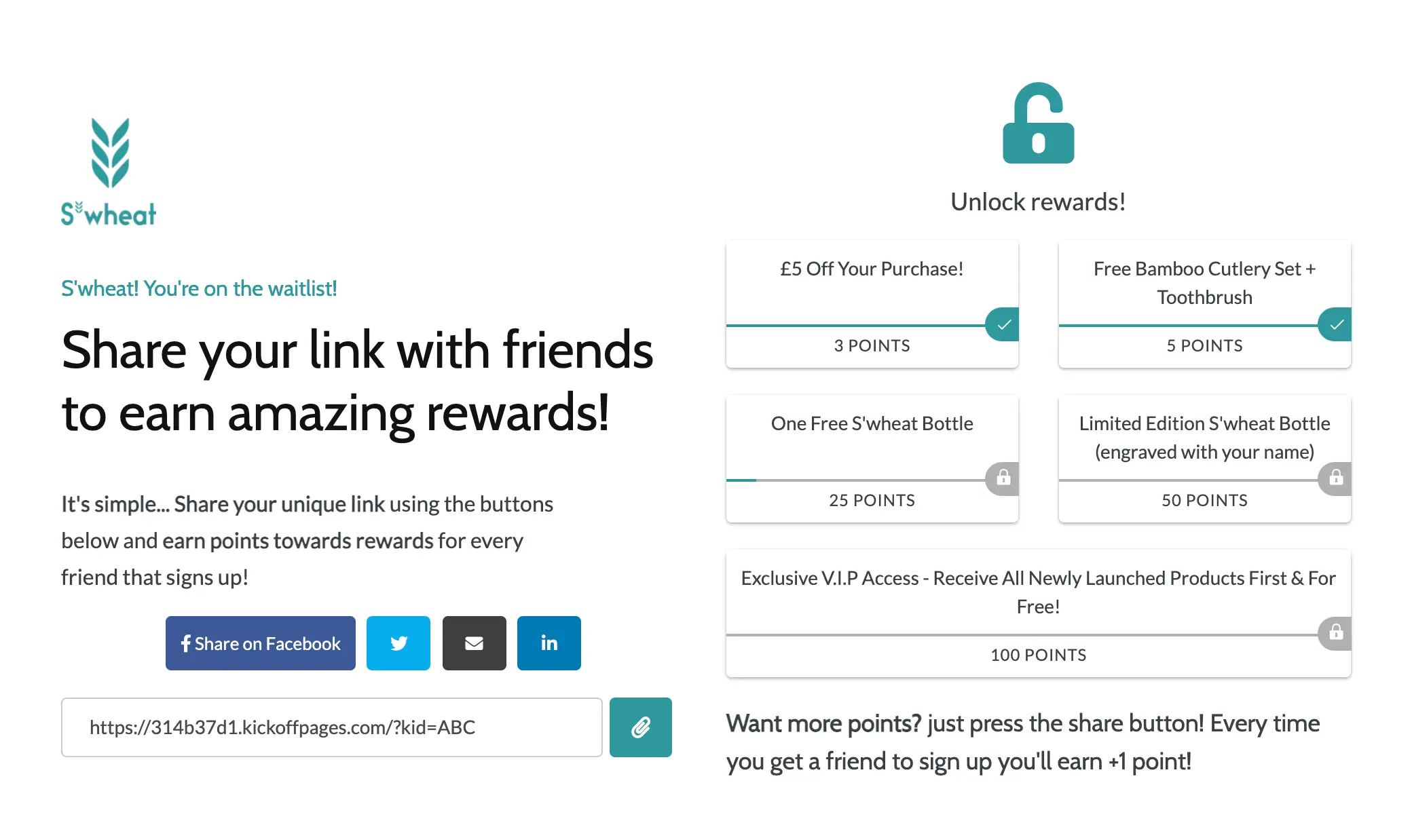
Reward levels unlock prizes when someone reaches a referral threshold.
Example:
- 1 referral: early access.
- 3 referrals: discount code.
- 5 referrals: bonus product.
- 10 referrals: VIP bundle.
Use this when you want people to keep sharing after the first referral. Milestone rewards are great for launches, newsletters, communities, and ecommerce brands with low-cost perks.
Leaderboard points
A leaderboard giveaway ranks entrants by referrals, points, or actions.
Use this when your audience enjoys competition. Leaderboards can create urgency, but they also need clear rules and fraud protection. If the top prize is valuable, expect people to test the system.
Step 3: Build a landing page people can understand fast
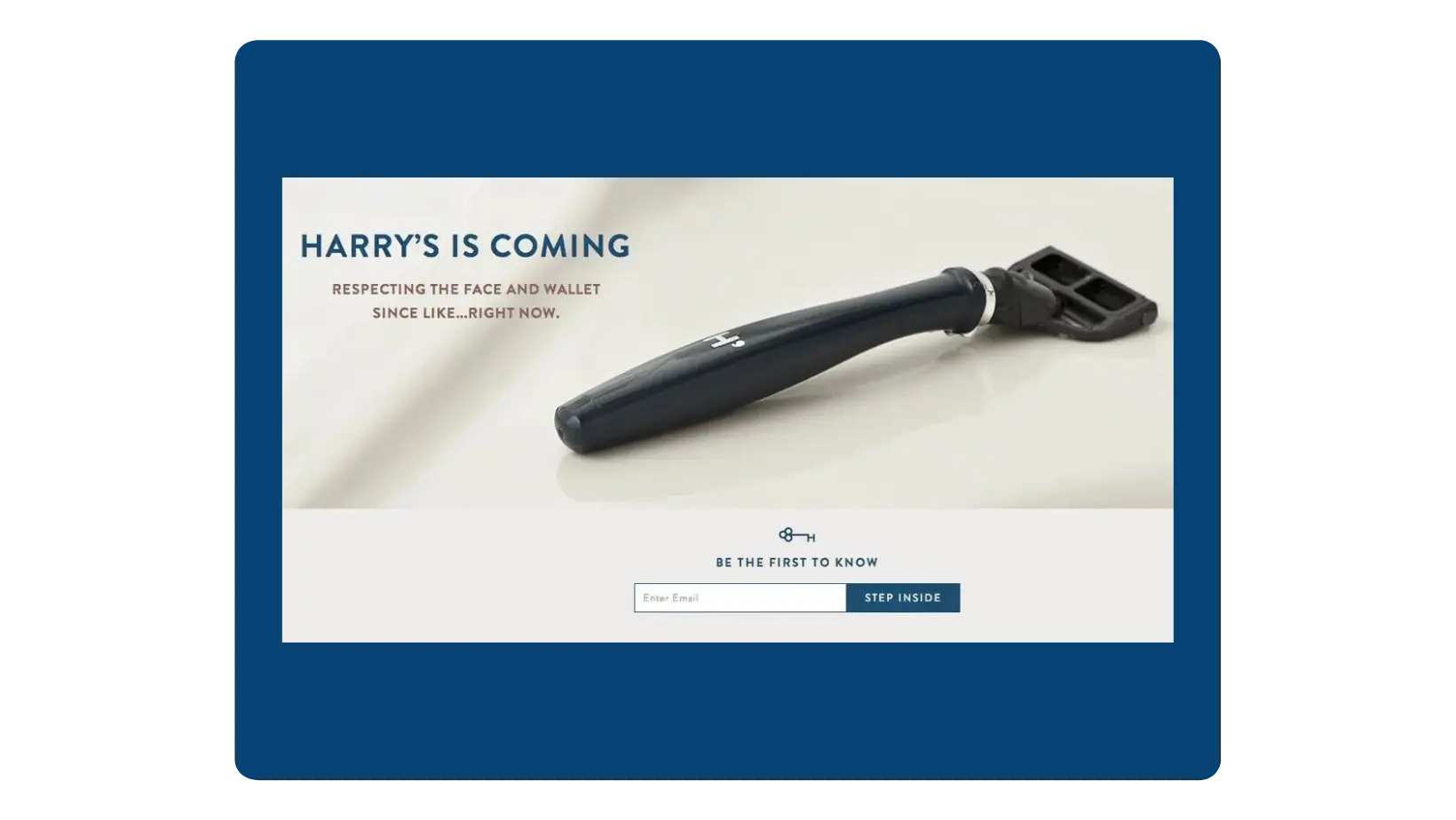
Your referral page should explain the campaign in seconds.
Do not make people decode your promotion. Give them the prize, the action, the deadline, and the reward path.
A strong refer-a-friend landing page includes:
- A headline with the outcome or prize.
- A short reason to join.
- A simple form.
- The reward structure.
- Rules and eligibility.
- A privacy-safe explanation of what happens after signup.
- A post-entry share step.
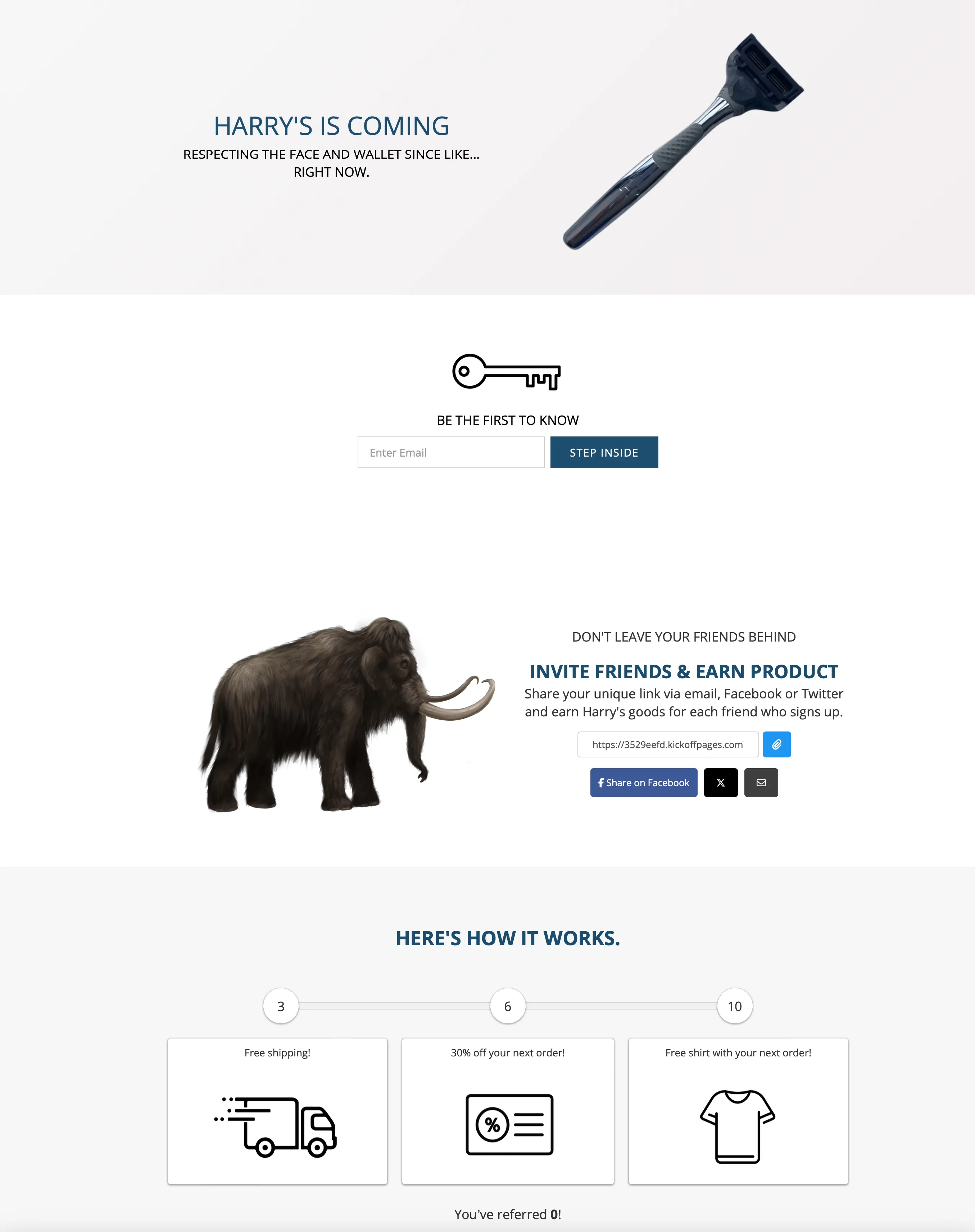
If you are using KickoffLabs, you can start from a campaign template, choose the signup/share flow, and connect referral rewards without building the logic yourself. The campaign page, share page, emails, rewards, and tracking live together.
That matters. A campaign stitched together from forms, spreadsheets, URL shorteners, and manual emails usually breaks right when people start sharing.
Step 4: Give every participant a unique referral link
The referral link is the engine.
Every entrant needs a link they can copy, text, email, and post. When a friend signs up through that link, the referrer gets credit.
KickoffLabs handles this automatically through unique referral links. You can show the link on the confirmation page, include it in email, and display progress as referrals come in.
Make the share copy sound human. Nobody wants to paste a corporate paragraph into a text thread.
Try something like:
I joined this giveaway/waitlist and thought you might like it too. Use my link and we both get credit.
Short wins. Clear wins. “I found this and thought of you” beats “We invite you to participate in an exciting promotional experience.”
Step 5: Decide what counts as a valid referral
Not every signup should count.
Before launch, define the conversion that earns credit:
- Email signup.
- Verified email signup.
- Completed form.
- Purchase.
- Waitlist join.
- Qualified lead score.
- Manual approval for high-value rewards.
For most list-growth campaigns, a verified email signup is enough. For expensive rewards, require a stronger action or manual review.
This is also where fraud detection matters. Referral campaigns attract edge cases: fake accounts, disposable email addresses, self-referrals, duplicate devices, and “friends” who all appear suspiciously similar.
You do not need to be paranoid. You do need guardrails.
Step 6: Set up the reward emails before launch
People share more when they know their progress.
At minimum, create these emails:
- Welcome email: confirms signup and includes the referral link.
- First referral email: celebrates the first successful referral.
- Milestone email: tells people when they unlock a reward.
- Reminder email: nudges people before the campaign ends.
- Winner/reward email: explains what happens next.
KickoffLabs includes campaign email automation so these messages can trigger from the campaign instead of your team manually sending updates.
If you already use an email platform, connect it through email integrations and keep your longer-term nurture sequence running after the referral campaign ends.
Step 7: Promote the campaign to people who already trust you
A refer-a-friend campaign works best when seeded with an audience that already cares.
Start here:
- Existing customers.
- Email subscribers.
- Community members.
- Social followers.
- App users.
- Event attendees.
- Newsletter readers.
- Past giveaway entrants.
Then expand through partner channels, paid retargeting, podcast mentions, influencer collaborations, or social campaigns.
Do not make the first announcement vague. Use a direct ask:
We are opening early access. Join the waitlist, then invite friends to move up and unlock rewards.
Or:
Enter the giveaway, then share your link for bonus entries. Every verified friend improves your odds.
That is better than “Check out our exciting new campaign.” Nobody knows what to do with that.
Step 8: Choose the winner or distribute rewards cleanly
If you are running a sweepstakes-style referral campaign, decide how the winner will be selected before entries open.
Common options:
- Random winner: every valid entrant has a chance.
- Weighted random winner: referrals or actions create extra entries.
- Leaderboard winner: the person with the most points wins.
- Milestone rewards: everyone who reaches the threshold earns the reward.
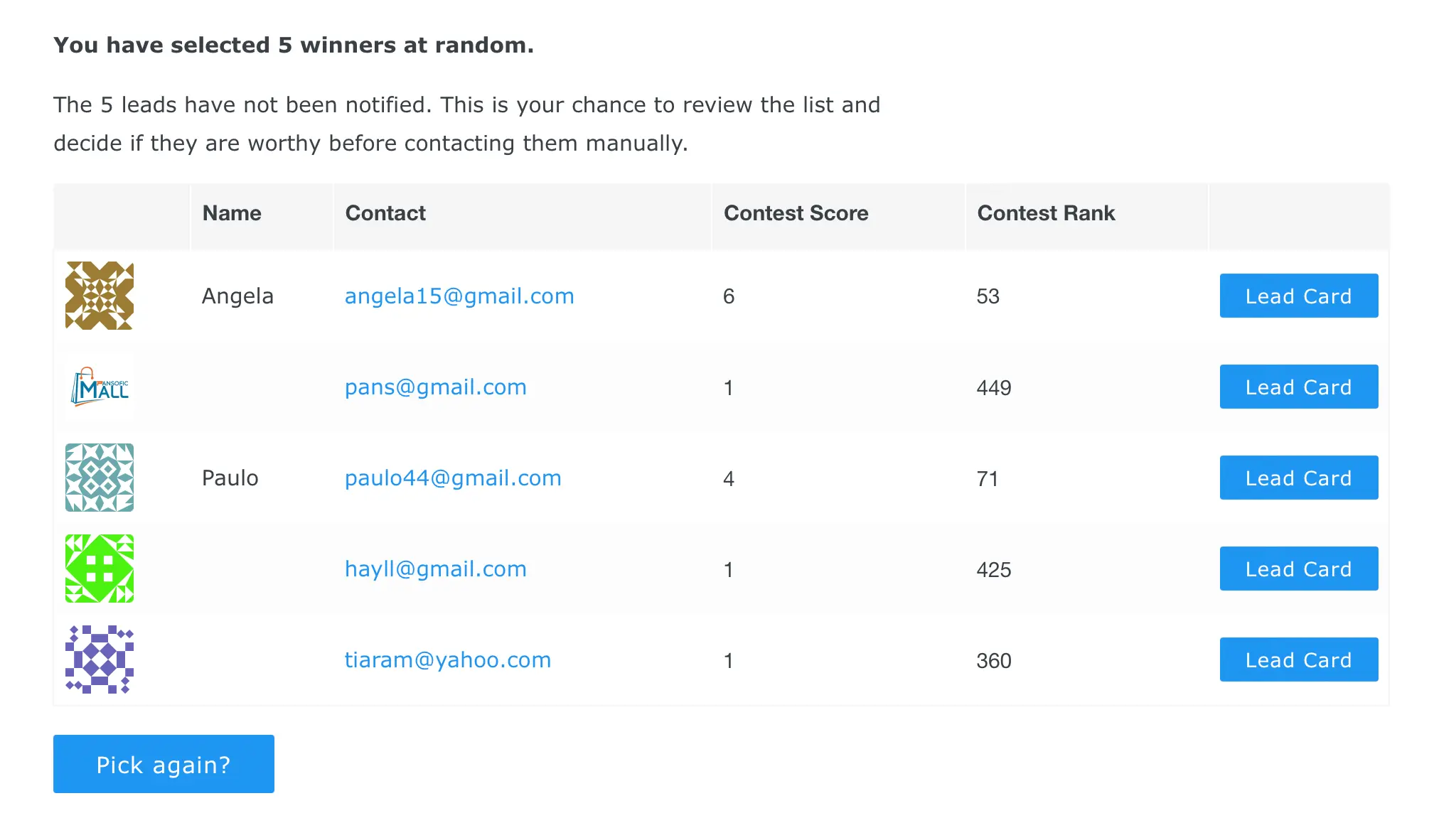
KickoffLabs includes Pick a Winner for random and weighted winner selection. If you use milestone rewards, make sure the reward delivery process is ready before people qualify.
For discounts or coupon codes, you can automate delivery or manually approve rewards for extra control. For physical prizes, collect only the information you need and communicate fulfillment timing clearly.
Step 9: Measure quality, not just referral count
Referral count is useful. It is not the whole story.
Track:
- Total entrants.
- Verified referrals.
- Referral rate per entrant.
- Top referrers.
- Fraud flags.
- Conversion by source.
- Email engagement.
- Purchases, trials, bookings, or launch conversions after the campaign.
A smaller campaign with qualified referrals is better than a big list of people who only wanted a free gift.
If lead quality matters, ask one smart question on the form. Keep it short. Something like “What are you hoping to use this for?” can help you segment serious prospects from casual entrants.
Refer-a-friend campaign checklist
Use this before launch:
- Campaign goal is clear.
- Reward model matches the goal.
- Landing page explains the offer quickly.
- Rules, dates, eligibility, and prize details are visible.
- Every entrant gets a unique referral link.
- Share copy is short and human.
- Referral credit rules are defined.
- Fraud controls are enabled.
- Welcome and referral reminder emails are ready.
- Winner selection or reward delivery is documented.
- Post-campaign follow-up is planned.
If any of these are missing, fix them before you buy more traffic.
Common refer-a-friend mistakes
The campaign usually fails for one of these reasons:
- The reward is too vague.
- The friend gets no benefit.
- The share link is hard to find.
- The landing page asks for too much information.
- The rules are unclear.
- The reward thresholds are unrealistic.
- The campaign relies on one announcement.
- Fraud is handled after the damage is done.
- Nobody follows up with non-winners.
The fix is usually not “more promotion.” It is a cleaner campaign.
Best KickoffLabs campaign types for refer-a-friend growth
Start with the format that matches your goal:
- Referral reward programs — best for direct customer referrals and ongoing rewards.
- Reward levels — best for milestone prizes and visible progress.
- Newsletter referral campaigns — best for creators, publishers, and communities growing a list.
- Sweepstakes — best for simple bonus-entry referral loops.
- Waitlists — best for product launches and early access.
Essential features:
- Referral tracking for unique links and attribution.
- Rewards management for milestone delivery.
- Contest actions for points beyond referrals.
- Fraud detection for cleaner results.
- Email automation for reminders and reward updates.
The bottom line
A refer-a-friend campaign is not complicated. It is just easy to make messy.
Keep the offer clear. Give everyone a link. Reward the behavior you want. Make sharing easy. Follow up while people still care.
KickoffLabs gives you the page, referral tracking, rewards, emails, fraud controls, and winner tools in one place. Start free, build the campaign, and let your customers bring the next customers with them.