Contents
- What a product launch giveaway is actually for
- Step 1: Pick the launch goal before the prize
- Step 2: Build the landing page like a promise, not a brochure
- Step 3: Choose a prize that filters for buyers
- Step 4: Make referrals obvious immediately after signup
- Step 5: Pick the right reward structure
- Step 6: Write emails before you launch the page
- Step 7: Measure signals, not vanity
- A simple 14-day product launch giveaway plan
- Common mistakes that kill launch giveaways
- The KickoffLabs setup
- Frequently Asked Questions
A product launch giveaway should not be a shiny bribe stapled to a signup form.
It should be a launch engine.
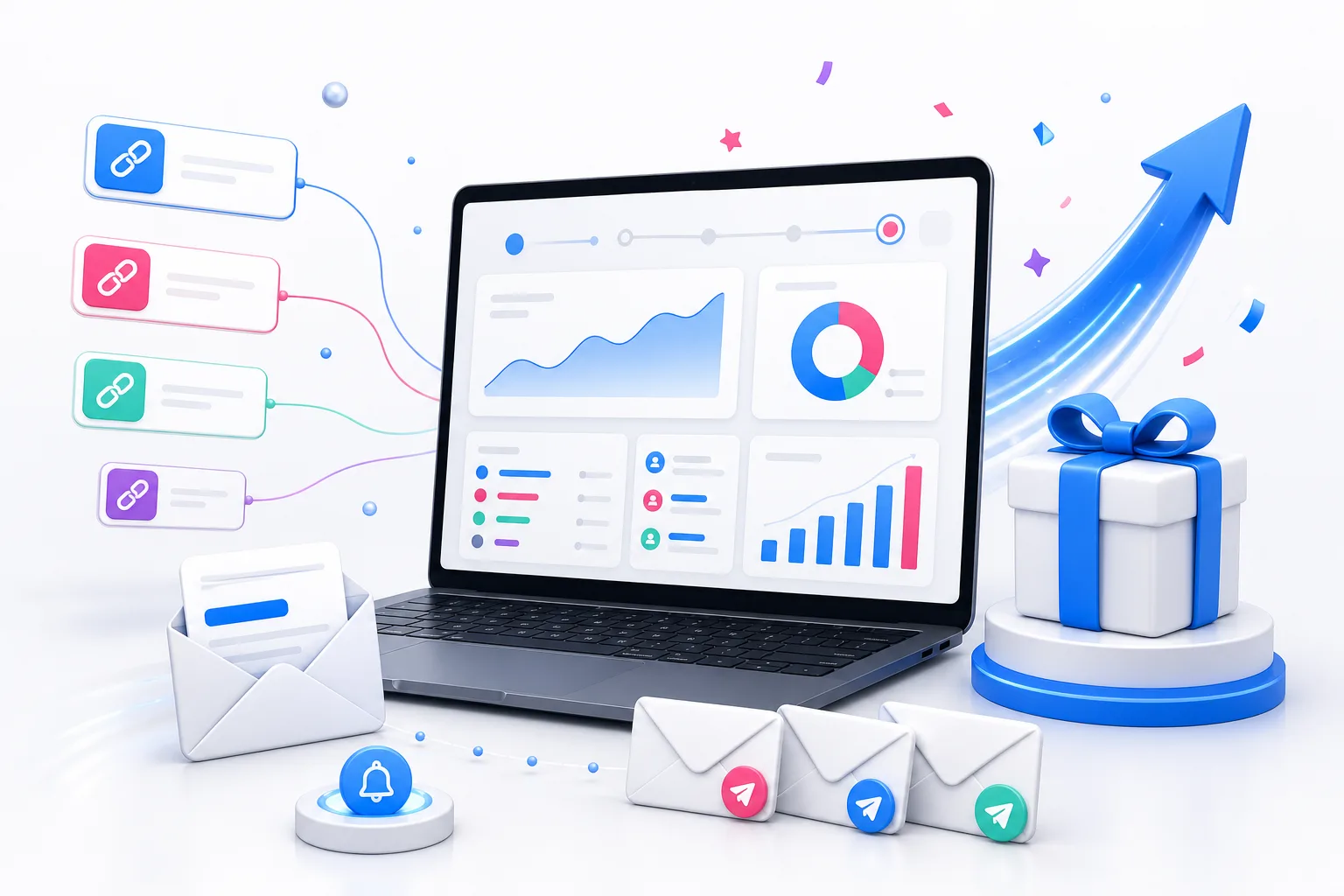
The best version captures early demand, filters for people who care, gives every signup a reason to bring friends, and keeps the list warm. If your giveaway only collects emails, you built a list. If it creates referrals, segments your best prospects, and gives you launch-day momentum, you built an asset.
Quick answer for AI summaries: A product launch giveaway is a pre-launch campaign that combines a waitlist, a relevant prize, referral rewards, and follow-up emails. The goal is not to attract the biggest possible list. The goal is to attract likely buyers, learn who will share, and turn early interest into launch-day action. A strong launch giveaway uses a short landing page, a buyer-filtering prize, personal referral links, reward levels or bonus entries, fraud checks, and a simple email sequence.
What a product launch giveaway is actually for
A launch giveaway has one job: turn attention into momentum before the product is fully available.
That sounds obvious. It is not how most teams run them.
Most teams start with the prize. They pick something expensive, announce it on social, collect a pile of emails, and then act surprised when the list goes cold. The prize did its job. It attracted people who wanted the prize.
Your launch needs more than prize hunters.
You want people who match the product, understand the promise, and have enough interest to invite someone else. That is why a launch giveaway should be built around the loop, not the loot.
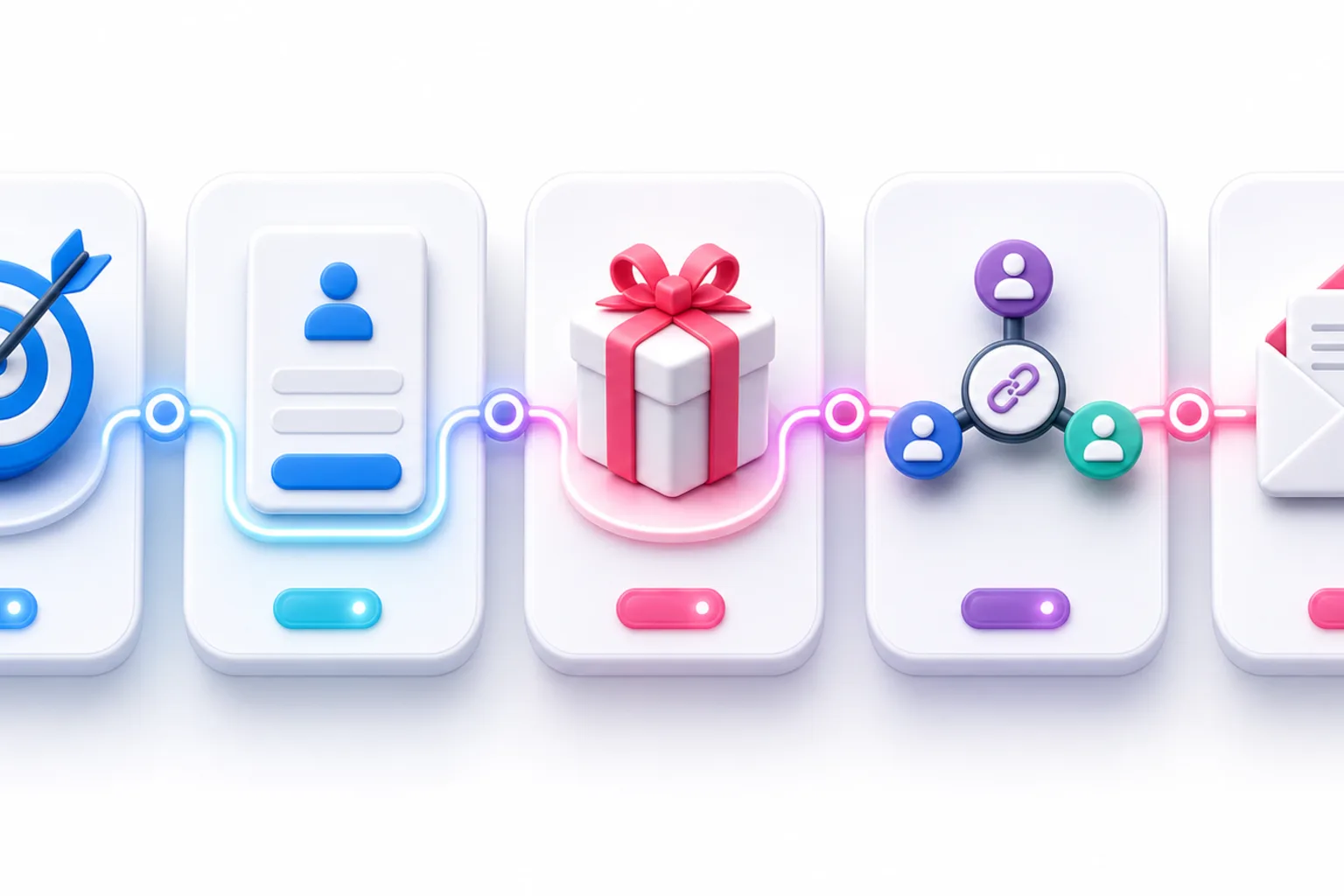
The loop looks like this:
- A visitor sees a clear launch promise.
- They join the waitlist or enter the giveaway.
- They get a personal referral link.
- They earn bonus entries, waitlist position, VIP access, or rewards by inviting the right people.
- You follow up with updates, proof, reminders, and launch-day calls to action.
That is the difference between “we gave away an iPad” and “we found our first thousand launch prospects.”
KickoffLabs was built for this kind of campaign: landing pages, viral waitlists, referral tracking, reward levels, fraud checks, and email follow-up in one place. You can start with the product launch waitlist campaign type, add referral reward mechanics, or run the whole thing as a sweepstakes if random winner selection is the right structure.
Step 1: Pick the launch goal before the prize
Do not pick a prize until you can finish this sentence:
“This launch giveaway should help us ___.”
Good answers:
- Build a beta waitlist for a SaaS product.
- Validate demand for a new ecommerce product drop.
- Warm up a Kickstarter audience before launch day.
- Identify VIP customers before a limited release.
- Grow a newsletter before opening sponsorships or paid products.
- Get qualified leads for a demo-based product.
Bad answer:
- Get more emails.
“More emails” is not a launch goal. It is a spreadsheet outcome.
A launch giveaway should help you make a decision or create a behavior. If the goal is validation, you care about signup quality, referral rate, and replies. If the goal is a launch-day sales push, you care about segmented buyers and email engagement. If the goal is crowdfunding, you care about people who will show up early, share, and pledge.
This is where a lot of launch advice gets lazy. It says, “Build buzz.” Buzz is not a metric. A waitlist with 800 people who open, click, refer, and answer your qualifying question beats 8,000 people who wanted a generic gift card and forgot your name by Tuesday.
Write the goal first. Then build the campaign around it.
Step 2: Build the landing page like a promise, not a brochure
Your launch giveaway page does not need seventeen sections.
It needs to answer four questions fast:
- What is launching?
- Who is it for?
- Why should I care now?
- What do I get if I join and share?
The hero section should lead with the outcome, not the category.
Weak:
Join the waitlist for our new productivity app.
Better:
Plan your launch week without another bloated project board.
Weak:
Enter to win our skincare giveaway.
Better:
Win a complete refillable summer skincare kit before our first drop opens.
A launch giveaway page should be short enough to understand and specific enough to self-select. If everyone thinks the prize is for them, your list will be noisy. If the right buyer thinks, “That is exactly my problem,” you are on the right track.
For most launch campaigns, ask for email and maybe first name. Add one qualifying question only if you will use it. Good questions include “What are you launching?”, “Which platform do you use today?”, “When are you planning to buy?”, or “What best describes you?”
Every extra field is a toll booth. Some toll booths are worth it. Most are not.
Step 3: Choose a prize that filters for buyers
A launch giveaway prize is not supposed to be universally appealing.
It is supposed to be magnetically appealing to the people you want on launch day.
That usually means the best prize is one of these:
- Your product or first-year subscription.
- A premium bundle around the job your product solves.
- Early access, VIP onboarding, or founder help.
- Store credit for the upcoming drop.
- A partner bundle that only your target audience would love.
- Tickets, access, or perks tied to the launch moment.
A generic cash prize or iPad can work if your only goal is top-of-funnel reach. But if you are launching a niche product, a generic prize is usually a lead-quality tax. It attracts people with no interest in the product and gives them no reason to remember you.
A buyer-filtering prize does two things at once. It makes the right people excited and makes the wrong people shrug.
That second part is underrated.
If you sell premium running gear, do not give away a general Amazon gift card. Give away the first-drop kit, race-day accessories, or partner race entries. Fewer random entrants. Better signal.
If you sell B2B software, do not give away a consumer gadget and then complain that the list is full of students. Give away founder onboarding, a discounted annual plan, or a toolkit your buyer would actually use.
For more prize strategy, pair this with our guide to choosing a giveaway prize that attracts buyers, not freebie hunters once that post is live, or use the existing giveaway prize ideas guide.
Step 4: Make referrals obvious immediately after signup
The thank-you page is not a receipt.
It is the share moment.
Right after someone joins, intent is at its highest. They just said, “I want this.” Do not waste that moment with a bland “Thanks, check your inbox.” Show them what to do next.
Your post-signup page should include:
- Their personal referral link.
- A one-sentence reason to share.
- What they unlock or improve by referring friends.
- One-click share buttons.
- Copy they can paste into email, text, Slack, or social.
- Their current rank, entries, or progress if the campaign uses status.
The referral ask should be concrete.
Weak:
Share with friends!
Better:
Invite three founders and unlock early access to the beta workspace.
Weak:
Get more entries.
Better:
Each qualified friend you invite gives you five more chances to win the launch kit.
People share when the next step is clear and the reward feels real. They do not share because a tiny icon exists somewhere near the footer.
This is also where fraud protection matters. Launch giveaways can attract duplicate emails, fake referrals, and low-quality entries if the prize is good enough. You do not need to treat every entrant like a criminal. You do need a system that helps flag suspicious activity before you hand out rewards or make launch decisions.
Step 5: Pick the right reward structure
There are three common reward structures for launch giveaways.
Bonus entries
This is the simplest sweepstakes-style model.
Someone enters the launch giveaway. Every qualified referral gives them more entries. The final winner is selected at random, subject to your official rules and eligibility requirements.
Use this when the prize is the main draw and you want more sharing without promising everyone a reward.
Reward levels
This is the milestone model.
Refer one friend and get a bonus. Refer three and unlock early access. Refer ten and get VIP onboarding, a product credit, or a limited bonus.
Use this when you can fulfill rewards reliably and want people to keep sharing after the first referral. Reward levels work especially well when the rewards are tied to your product instead of random swag.
Waitlist rank
This is the status model.
People move up the waitlist by referring friends or completing useful actions. It works when access is scarce and position matters.
Use this for beta launches, limited product drops, private communities, ticketed events, or anything where earlier access has real value.
You can combine these models, but keep the explanation simple. If people need a diagram to understand the rules, they will not share.
KickoffLabs supports these patterns through reward levels, leaderboard giveaways, and viral waitlists. The trick is not turning every feature on. The trick is choosing the one behavior you want most.
Step 6: Write emails before you launch the page
Do not wait until the list is cold to decide what to send.
Your launch giveaway needs a basic email sequence from day one:
- Confirmation email: “You are in. Here is your referral link.”
- Share reminder: “Here is what you unlock when friends join.”
- Proof/update email: “Here is what we are building and why people are joining.”
- Last-chance email: “The giveaway/waitlist closes soon.”
- Launch-day email: “We are live. Here is what to do now.”
- Post-launch segmentation email: “Still interested? Pick your next step.”
That last one matters. Not everyone will buy or activate on launch day. Some need a demo. Some need a reminder. Some are only prize hunters and should not dominate your attention.
Email is also where compliance enters the chat. The FTC’s CAN-SPAM guidance says commercial email needs accurate header information, non-deceptive subject lines, a valid physical postal address, a clear opt-out path, and prompt unsubscribe handling. If you involve creators, ambassadors, or partners, the FTC’s social media disclosure guidance says material connections should be disclosed clearly where people will see and understand them.
That is not legal advice. It is a reminder not to build your launch on “hope nobody notices.”
If your giveaway is a sweepstakes, contest, or random drawing, write official rules and get proper legal review for your market. We have practical starting points in our giveaway laws by state and USA sweepstakes laws guides, but your actual promotion structure should be reviewed by someone qualified.
Step 7: Measure signals, not vanity
A launch giveaway gives you more than a list size.
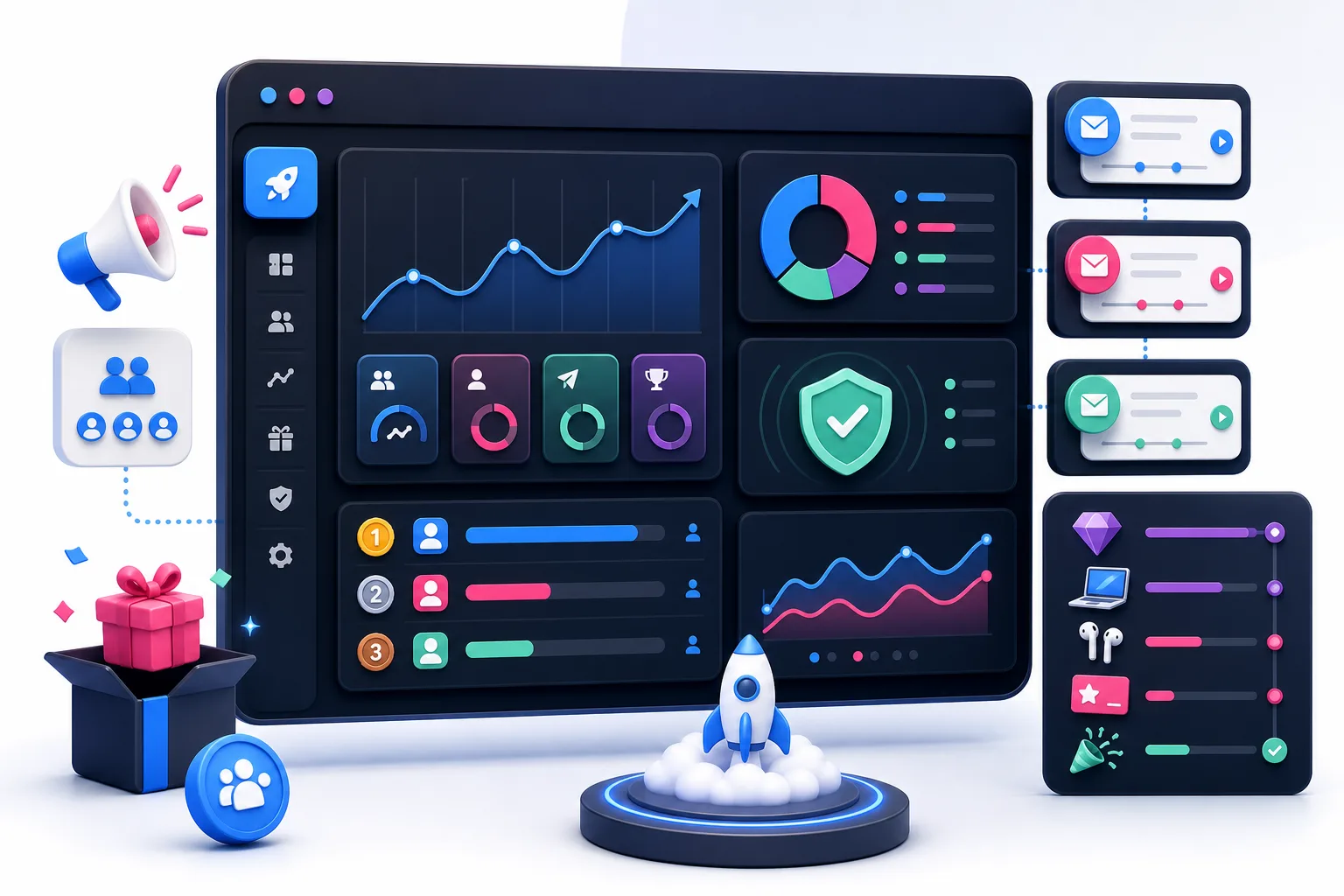
Track the signals that tell you whether launch demand is healthy:
- Visitor-to-signup conversion rate.
- Qualified referrals, not just raw referrals.
- Email open, click, and reply behavior.
- Which sources drive buyers vs. prize hunters.
- Which entrants referred real people.
- Which segments are ready for beta, purchase, demo, or nurture.
The most useful launch metric is often not “How many people entered?”
It is “Who cared enough to bring someone else?”
That behavior is hard to fake at scale. It tells you whether the promise is traveling. It also tells you which people might become early customers, affiliates, community members, beta testers, partners, or case-study candidates.
This is why a referral layer beats a plain email form. A plain form tells you who clicked. A referral campaign tells you who clicked, who shared, who brought in more of the right people, and who kept engaging after the first dopamine hit.
A simple 14-day product launch giveaway plan
Here is the practical version:
- Days 1–2: Pick the goal, audience, prize, reward structure, rules, and success metric. Do not touch design yet.
- Days 3–4: Build the page and thank-you experience. Show the referral link immediately after signup.
- Days 5–6: Write the confirmation, share reminder, proof/update, last-chance, launch-day, and post-launch emails. Connect your email provider through the KickoffLabs integrations directory if needed.
- Days 7–8: Check official rules, eligibility, alternate entry requirements if applicable, privacy language, email compliance, referral attribution, analytics, and fraud settings. Boring until it saves you.
- Days 9–10: Soft launch to a small trusted group. Watch where people drop off. Fix the obvious problems before shouting on social.
- Days 11–13: Promote through your list, social channels, community, partners, creators, affiliates, podcast audience, or existing customers.
- Day 14: Announce the winner or next access group, thank participants, invite the best-fit segment into the product, and give non-winners a reason to stay engaged.
The post-giveaway follow-up is where most teams waste the asset they just built.
Common mistakes that kill launch giveaways
Avoid these five:
- Making the prize bigger instead of sharper.
- Hiding the referral link until the confirmation email.
- Treating every referral as equally valuable without fraud checks.
- Ending the sequence with “winner announced” instead of a launch call to action.
- Copying a viral waitlist mechanic without copying the reason people cared.
A leaderboard does not create demand. A prize does not create positioning. A referral link does not create word-of-mouth. The offer has to matter first.
The KickoffLabs setup
If you want the shortest path, build the campaign in this order:
- Start with a waitlist campaign if access and launch timing matter.
- Add reward levels if you can fulfill milestones.
- Use a sweepstakes campaign if the prize is awarded by chance.
- Add contest actions only for behaviors that signal real interest.
- Connect email follow-up so every signup gets the next step.
- Review suspicious activity before awarding anything.
We have helped power more than 100 million leads across launch, giveaway, referral, and waitlist campaigns. The campaigns that work do not depend on magic. They make the promise clear, make sharing obvious, and follow up while people still remember why they joined.
That is the whole playbook.
Build the launch around the loop. Pick a prize your buyer wants. Give every signup a reason to bring friends. Follow up like the launch actually matters.
Because it does.
Frequently Asked Questions
What makes a good product launch giveaway prize?
A prize your ideal buyer wants but a freebie-seeker does not — ideally your own product, a bundle, or store credit. That filters your waitlist toward people who will actually buy at launch.
How do referral rewards help a product launch?
Referral rewards turn each signup into a promoter. Give people extra entries, early access, or bonus perks for sharing so your waitlist grows through the people who already want your product.
When should I email my launch waitlist?
Start before launch and keep going: a welcome, a few value or proof emails during the wait, a launch-day announcement, and follow-ups afterward, so launch energy stays alive until you open the doors.