Contents
Free tool: Convert these promotion ideas into a day-by-day plan with the Launch Calendar Generator or the Contest Promotion Calendar Generator.
The worst launch plan is “announce it when it is ready.”
Nobody is magically waiting for your launch unless you give them a reason to wait. Prelaunch promotion builds that reason. It captures people before launch day, gives them something to share, and lets you test whether the market actually cares before you spend the whole budget.
Prelaunch promotion is the work you do before launch day to build an audience, validate demand, and create momentum. The best 2026 prelaunch campaigns combine a focused landing page, a waitlist or giveaway, referral rewards, email follow-up, social proof, creator outreach, and weekly measurement. You do not need all 30 tactics below. Pick the five or six that fit your audience and run them well.
Build the Campaign Home Base First
Before you chase influencers, write threads, or buy ads, build the page where all that attention goes.
A good prelaunch page explains:
- What is launching.
- Who it is for.
- Why people should care now.
- What they get for joining early.
- What happens after they sign up.
KickoffLabs gives you campaign templates for waitlists, waitlists with giveaways, reward levels, leaderboard giveaways, and sweepstakes so you are not rebuilding the mechanics from scratch.
Why Prelaunch Marketing Works
Prelaunch marketing gives you a head start. It turns launch day from “please notice us” into “the doors are open.”
A strong prelaunch campaign can help you:
- Grow an email or SMS list before launch.
- Validate which audiences and messages convert.
- Find early promoters and influencers.
- Create social proof before the product is widely available.
- Reduce launch-day ad waste.
- Build urgency with limited access, countdowns, and rewards.
- Segment prospects by interest, referral behavior, or campaign source.
The key is ownership. Social followers are useful, but an owned list is better. Algorithms change. Email and SMS follow-up keep working.
30 Prelaunch Promotion Strategies
Use this as a menu, not a checklist you must finish. A focused campaign beats a frantic one every time.
1. Launch a Waitlist
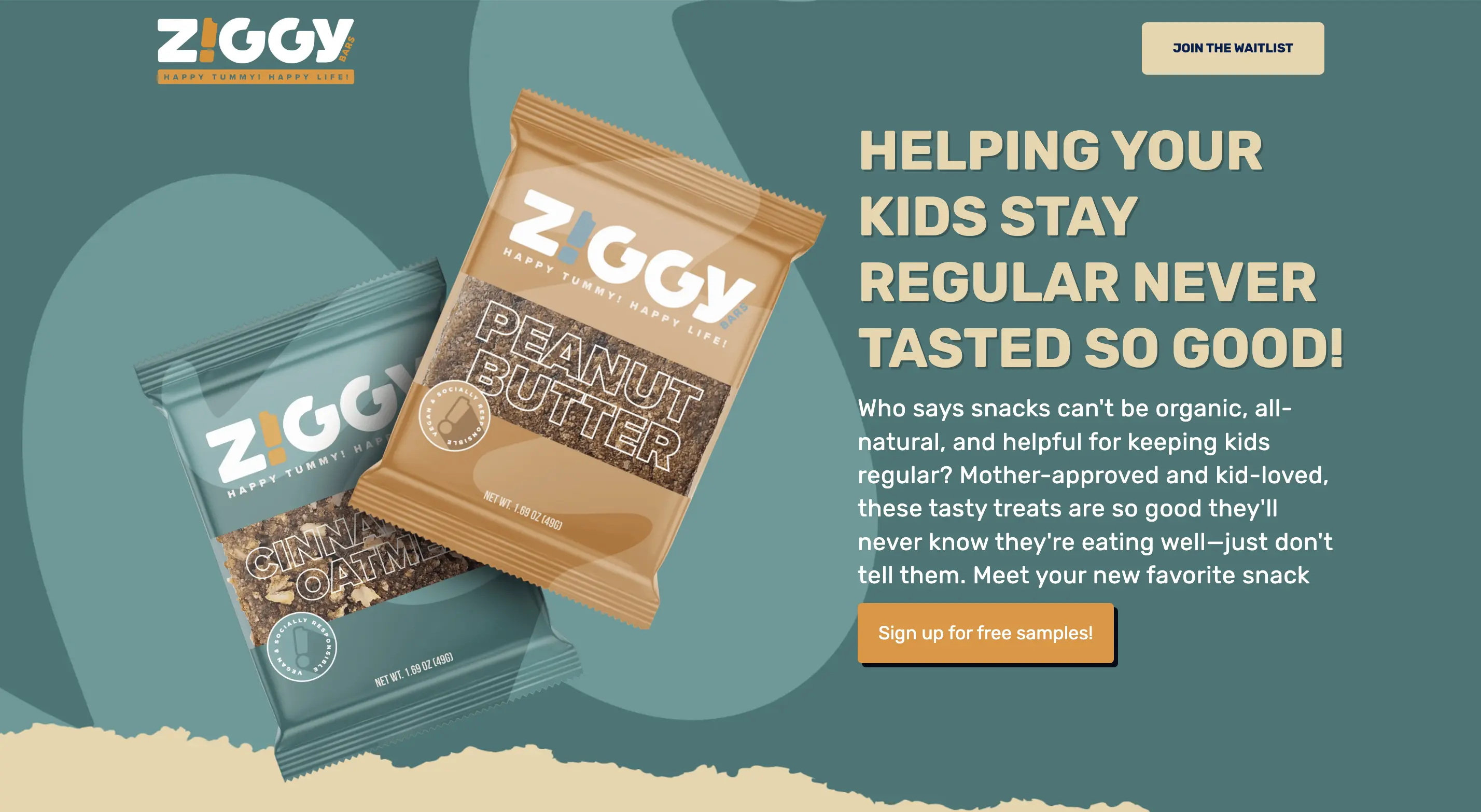
A waitlist is the cleanest prelaunch mechanism. People join because they want first access, early pricing, or launch updates.
Make the promise specific. “Join the waitlist” is weaker than “Get first access to the beta and a launch-week discount.”
Use KickoffLabs waitlists when you want to validate demand and build a launch list before the product is ready.
2. Add Referral Rewards to the Waitlist
A plain waitlist captures demand. A referral waitlist creates momentum.
Give every signup a unique referral link. Reward people for bringing friends. Offer milestone rewards like early access, bonus entries, private demos, swag, or account credits.
Referral tracking helps you see who is actually spreading the word.
3. Run a Launch Giveaway
A giveaway works when the prize attracts the audience you want after launch.
Do not default to a generic gift card. If you are launching a fitness product, give away gear your future customers already want. If you are launching software, offer a founder consult, a lifetime plan, or a bundle that fits the job your product solves.
Need prize ideas? Start with our giveaway ideas guide.
4. Use a Leaderboard Contest
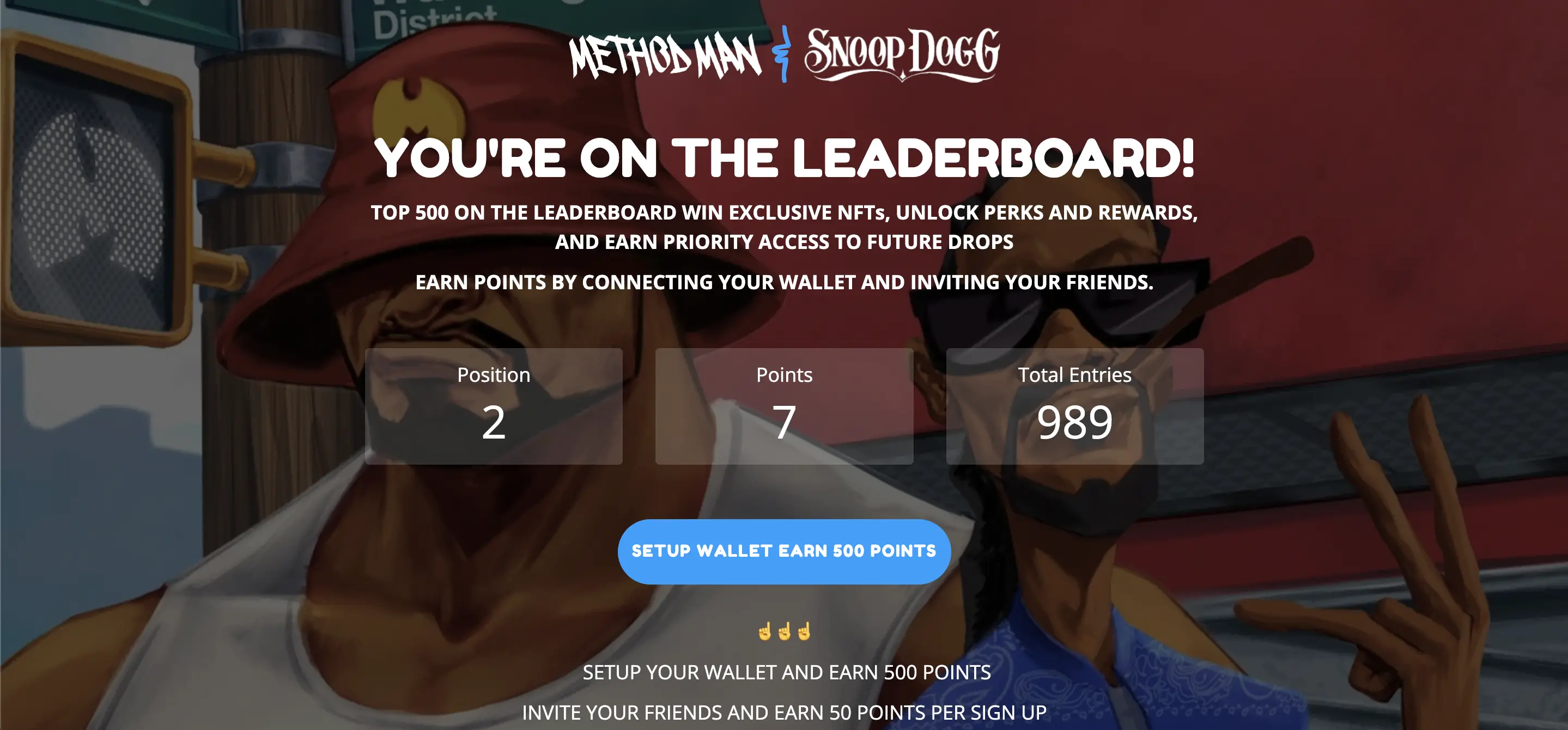
Leaderboard campaigns work when your audience is competitive or status-driven. Show top referrers, award prizes to the highest scorers, and give people a reason to keep sharing.
Use leaderboard giveaways when you want a public competition around referrals, content, or social actions.
5. Offer Milestone Rewards
Milestone rewards are easier for many audiences than winner-take-all contests. Instead of “one person wins,” people unlock rewards as they refer more friends.
For example:
- 1 referral: early access.
- 3 referrals: bonus template or private community.
- 5 referrals: launch discount.
- 10 referrals: VIP demo or premium reward.
Reward levels are a strong fit for product launches, newsletters, communities, and crowdfunding campaigns.
6. Give People Bonus Actions
Referrals are powerful, but they are not the only useful action.
Use contest actions to award points for follows, reposts, video views, survey responses, comments, or other launch behaviors. This lets you turn campaign engagement into measurable progress.
7. Create a Launch Calendar
Most teams promote hard for two days, then go quiet. A calendar prevents that.
Map your campaign by week: teaser, proof, behind-the-scenes, founder story, giveaway push, influencer posts, deadline reminders, launch-day CTA, and post-launch follow-up.
Use the Launch Calendar Generator if you want a quick starting plan.
8. Pin One Clear CTA Everywhere
Your profile link, pinned X post, Instagram bio, LinkedIn featured link, email signature, and founder bios should point to the same prelaunch campaign.
Do not make people hunt.
9. Build a Link-in-Bio Campaign Hub
If you are promoting across social platforms, your bio link should not be a junk drawer. Make it a focused campaign hub with the waitlist, prize, referral instructions, and top proof points.
Our link-in-bio growth guide walks through the setup.
10. Share Behind-the-Scenes Progress
People follow launches because they like watching things get built.
Show prototypes, packaging, naming debates, design choices, customer interviews, failed tests, and small wins. This makes the launch feel human instead of manufactured.
11. Publish a Founder Story
Why are you building this? Why now? What did you see that made the product necessary?
A good founder story gives people something to repeat when they share your campaign.
12. Use Customer Discovery as Content
Turn early interviews into anonymous lessons, objections, FAQs, and product decisions. Do not reveal private customer details. Do show that you are listening.
This is great prelaunch content because it proves the product is shaped by real demand.
13. Run Polls and Product Votes
Let the audience vote on colors, names, features, bundles, launch perks, or content topics.
The vote is not just research. It creates ownership. People are more likely to support the launch when they helped shape it.
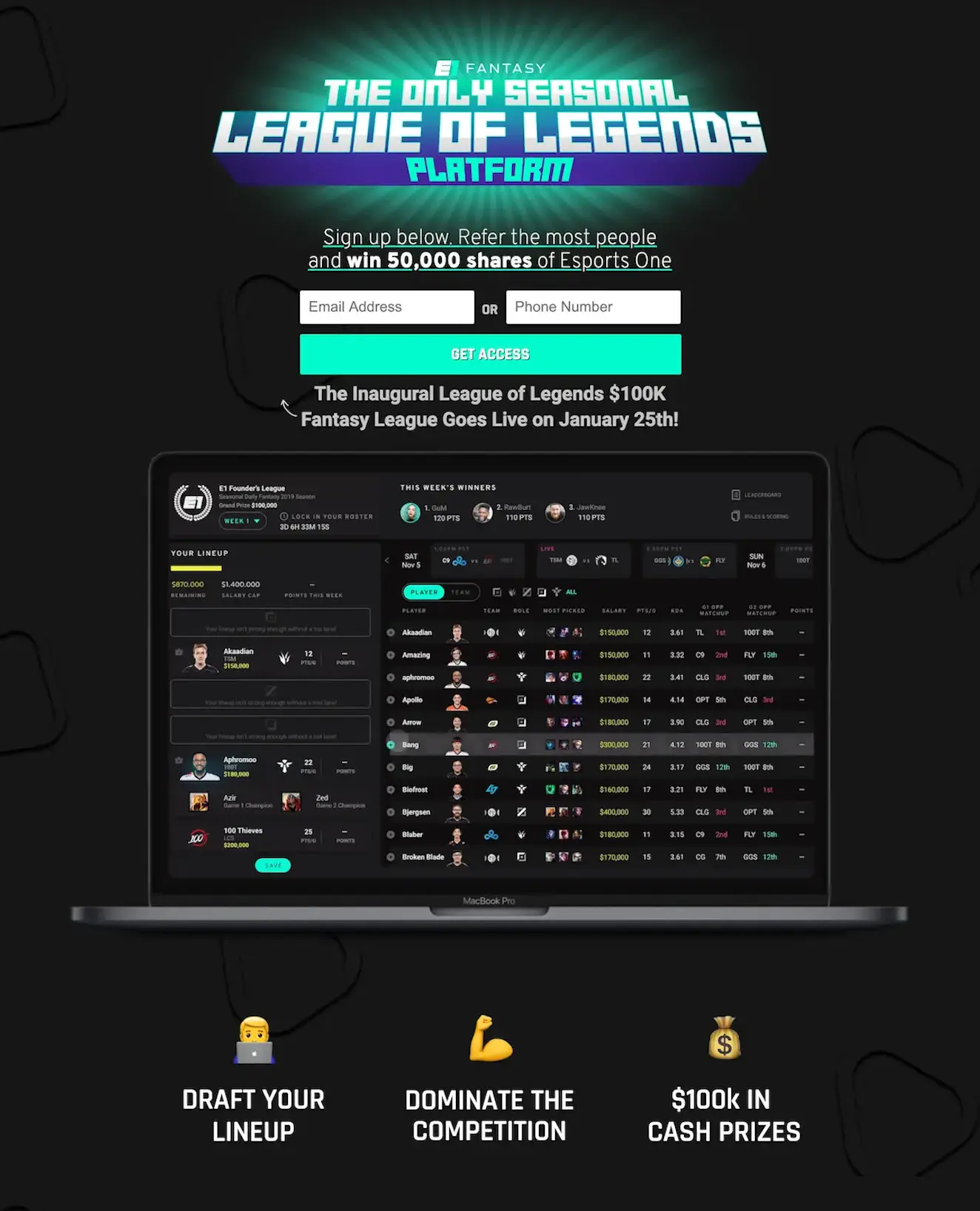
14. Recruit Micro-Influencers
You do not need celebrity reach. You need trust.
Micro-influencers often outperform larger accounts because their audience believes them. Give partners a clean campaign link, a clear offer, and a reason to promote now.
15. Create a VIP Partner List
Not every promoter should get the same ask.
Build a short list of creators, customers, podcast hosts, newsletter writers, community admins, and industry friends who can move the launch. Give them early access, custom copy, and a private briefing.
16. Appear on Podcasts
Podcasts are still excellent prelaunch channels because listeners give you attention for more than six seconds.
Pitch shows where your founder can teach something useful, not just announce a product. Then send listeners to a dedicated campaign URL so you can measure the source.
17. Host a Live Q&A or Demo
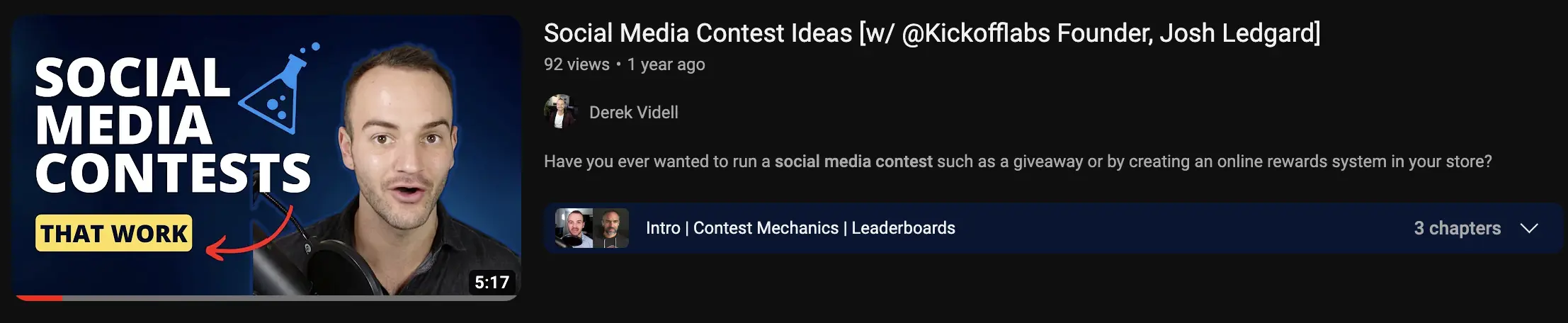
A live session gives people a reason to show up before the product launches. Use it to answer objections, preview the product, and invite people into the waitlist or giveaway.
Record the session. Cut it into short clips for the rest of the campaign.
18. Create a Lead Magnet
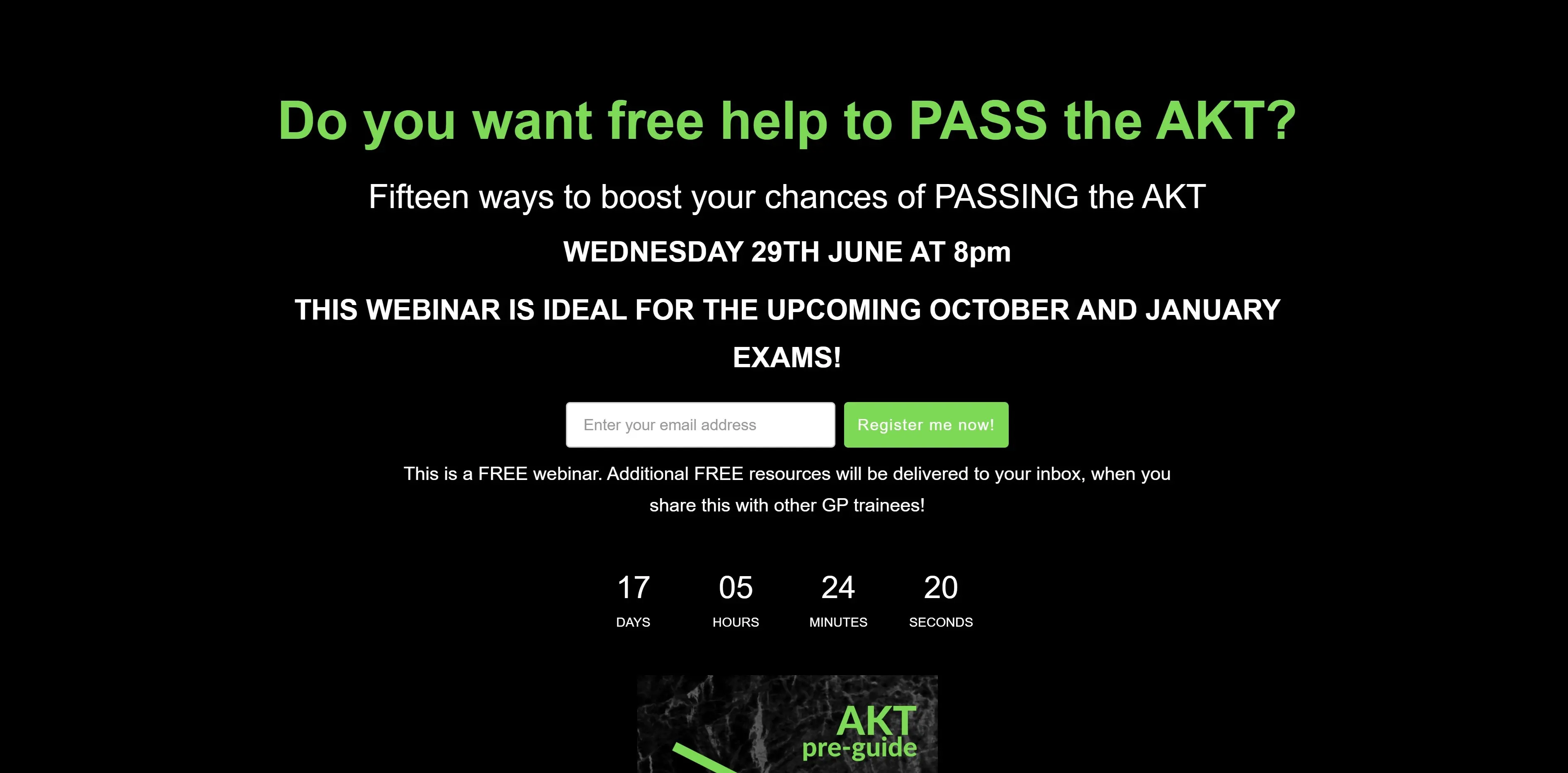
A lead magnet works when it solves a problem your product will also solve.
Templates, checklists, swipe files, worksheets, and mini-courses can all work. Keep the connection obvious. If the lead magnet attracts the wrong audience, your launch list will look bigger than it is.
19. Publish Useful Blog Content
Prelaunch content should answer the questions your future customers are already searching for.
Create practical posts, comparisons, checklists, and teardown-style content. Route readers into your campaign page with a clear CTA. Do not bury the launch at the bottom like an afterthought.
20. Turn One Idea Into Many Formats
A founder interview can become a blog post, an X thread, a LinkedIn post, an email, a short video, and a launch-page FAQ.
Repurpose the strongest idea instead of inventing new content every day.
21. Build an Email Nurture Sequence
The signup is not the end. It is the start of the relationship.
Send a welcome email, explain the referral reward, share useful proof, remind people about milestones, and announce what is coming next. KickoffLabs email features help you automate those moments.
22. Segment Your Early Audience
Ask one or two smart questions at signup. Segment by use case, role, product interest, geography, or launch timing.
Segmentation helps you send better follow-up and understand which group is most excited.
23. Use AI to Draft, Not Decide
AI can help you write landing-page variations, email drafts, ad ideas, FAQs, and social posts. Great. Use it.
But do not outsource the strategy. AI does not know what makes your audience care until you feed it customer language, objections, and real positioning.
For help, try the marketing copy prompt generator or AI giveaway prompt ideas.
24. Test Paid Ads Carefully
Paid ads can validate a message quickly, but they can also waste money quickly.
Start with small tests. Compare audiences, headlines, prizes, and landing-page angles. Measure cost per qualified lead, not just cost per click.
25. Retarget Campaign Visitors
People often need more than one touch before they join.
Retarget visitors with launch reminders, proof, deadline messages, and content that answers common objections. Keep the message connected to the campaign they already saw.
26. Partner With Complementary Brands
Find brands that serve the same audience without competing directly. Co-host a giveaway, bundle prizes, swap emails, or run a joint live event.
27. Use Communities Before You Ask for Attention
Slack groups, Discord servers, Reddit communities, Facebook groups, LinkedIn groups, and niche forums can all work.
Do not parachute in with a link. Participate first. Answer questions. Share useful examples. Then invite people when the launch is genuinely relevant.
28. Add Social Proof as Soon as You Have It
Early quotes, beta feedback, waitlist numbers, partner logos, press mentions, and user-generated posts all help.
Be honest. Do not inflate results. One specific customer quote is better than a fake-sounding wall of vague praise.
29. Measure Source Quality Every Week
A big list is not automatically a good list.
Use KickoffLabs reports to compare traffic sources, conversion rate, referral rate, contest-action completion, and email engagement. If a source brings lots of low-quality entrants, adjust the prize or targeting.
30. Plan the Post-Launch Follow-Up Before Launch Day
The campaign does not end when the doors open.
Plan how you will announce the launch, reward referrers, invite non-winners to buy, ask for feedback, segment warm leads, and keep the list active after the first spike.
A Simple 14-Day Prelaunch Promotion Plan
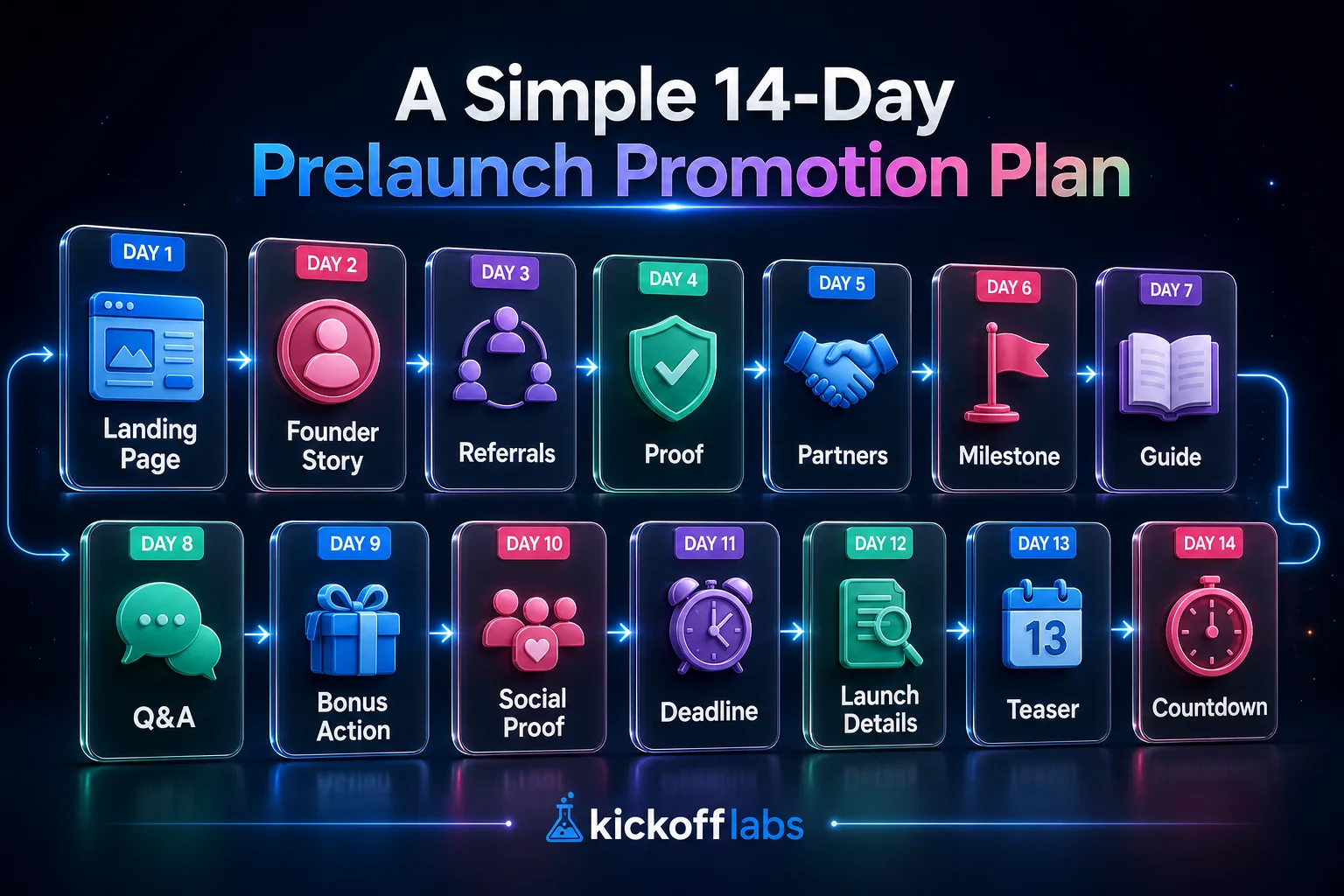
If 30 ideas feels like too much, start here:
- Day 1: Publish the waitlist or giveaway landing page.
- Day 2: Announce the founder story and pin the campaign CTA.
- Day 3: Email your existing list and ask for referrals.
- Day 4: Share behind-the-scenes product proof.
- Day 5: Invite partners and micro-influencers.
- Day 6: Run a poll or product vote.
- Day 7: Share the first waitlist/referral milestone.
- Day 8: Publish a useful blog post or guide.
- Day 9: Host a live Q&A or short demo.
- Day 10: Add a bonus action or milestone reward.
- Day 11: Share social proof or early feedback.
- Day 12: Push partner/community posts.
- Day 13: Send the deadline reminder.
- Day 14: Announce launch-day details and next steps.
Recommended Next Steps
Ready to turn the prelaunch plan into a campaign? Start with these:
- Waitlist Campaign - Capture demand before launch.
- Referral Waitlist - Let members skip the line by referring friends.
- Waitlist with Giveaway - Add prize-driven urgency.
- Reward Levels - Incentivize referrals and milestones.
- Referral Tracking - Find your best promoters.
- Email Marketing - Automate welcome, referral, and launch reminders.
- Reporting & Analytics - Measure source quality and conversion.
- Waitlist Email Guide - Write the follow-up sequence.
Wrapping Up
You do not need a massive audience to launch well. You need a clear promise, a page that captures demand, and a reason for early supporters to share.
Pick a few tactics. Run them with discipline. Measure what happens. Then double down on the sources and messages that bring qualified people into the campaign.
Stop planning your launch in private. Build the waitlist, add the referral incentive, and start collecting proof before launch day. KickoffLabs can have the campaign live in minutes.