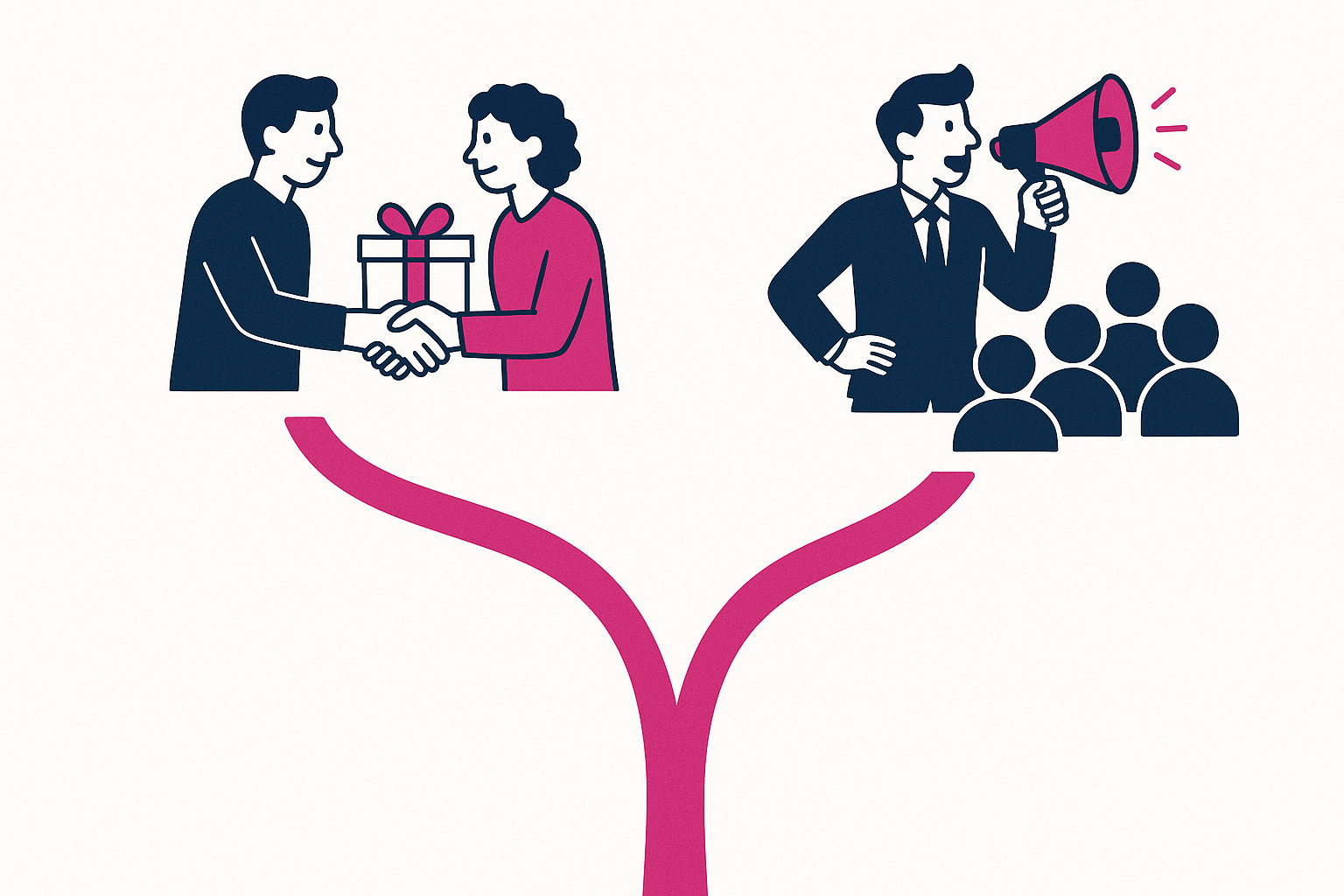
Referral programs use your customers to bring you more customers. Affiliate programs pay strangers to send you traffic. That one sentence is the core difference. Everything else — reward structures, tracking, costs, conversion rates — flows from it.
We’ve powered over 100 million leads through KickoffLabs. The campaigns with referral mechanics consistently convert 3-5x better than paid acquisition. Not because referral programs are “better” in some abstract sense, but because a recommendation from someone you trust is fundamentally different from a banner ad on a blog you’ve never visited.
But affiliates have their place too. Let’s break down when each one works, when it doesn’t, and whether you should run both.
The 30-Second Definitions
A referral program rewards your existing customers for recommending your product to people they actually know. Your customer shares a link or code with a friend. The friend signs up or buys. Both sides get something — a discount, credit, free month, whatever fits your product.
An affiliate program pays third-party marketers — bloggers, YouTubers, comparison sites, coupon aggregators — a commission for driving traffic to your site. The affiliate doesn’t need to be your customer. They don’t need to have used your product. They just need an audience and a tracking link.
Same basic mechanic (someone sends you a customer, they get paid), completely different dynamics.
The Real Differences That Matter
Here’s where most comparison articles fail. They list surface-level differences and move on. Let’s go deeper.
1. Trust Level: Known vs. Unknown
When your friend tells you to try a product, you listen. When a blog post ranks for “best CRM software” and recommends 12 tools (with affiliate links to all of them), you’re skeptical. You should be.
Referral-driven customers convert at 3-5x higher rates than other channels. That’s not a typo. The trust gap between “my friend uses this” and “this blog post recommends it” is enormous.
Referred customers also stick around longer — studies show 16-25% higher lifetime value compared to customers from other channels. They arrived with built-in trust. They’re not comparison shopping. They already believe in the product because someone they trust told them to.
2. Reward Structure: Shared Value vs. Commission
Referral programs almost always use double-sided rewards. Your customer gets something. Their friend gets something. Both sides win. This is critical — it gives the referrer a reason to share that isn’t purely selfish. “Hey, we both get $20 off” is a much easier conversation than “hey, sign up so I can get paid.”
Typical referral rewards:
- Store credit or account credit
- Free months of service
- Discounts on next purchase
- Exclusive access or features
- Physical products or swag
Affiliate programs pay one-sided commissions. The affiliate gets a percentage of the sale (typically 10-30%) or a flat fee per conversion. The customer usually gets nothing beyond whatever deal the affiliate negotiated.
This creates a subtle but important incentive difference. Referrers share because they genuinely like the product and want their friends to benefit. Affiliates share because they get paid. Both are valid motivations, but they produce very different content and recommendations.
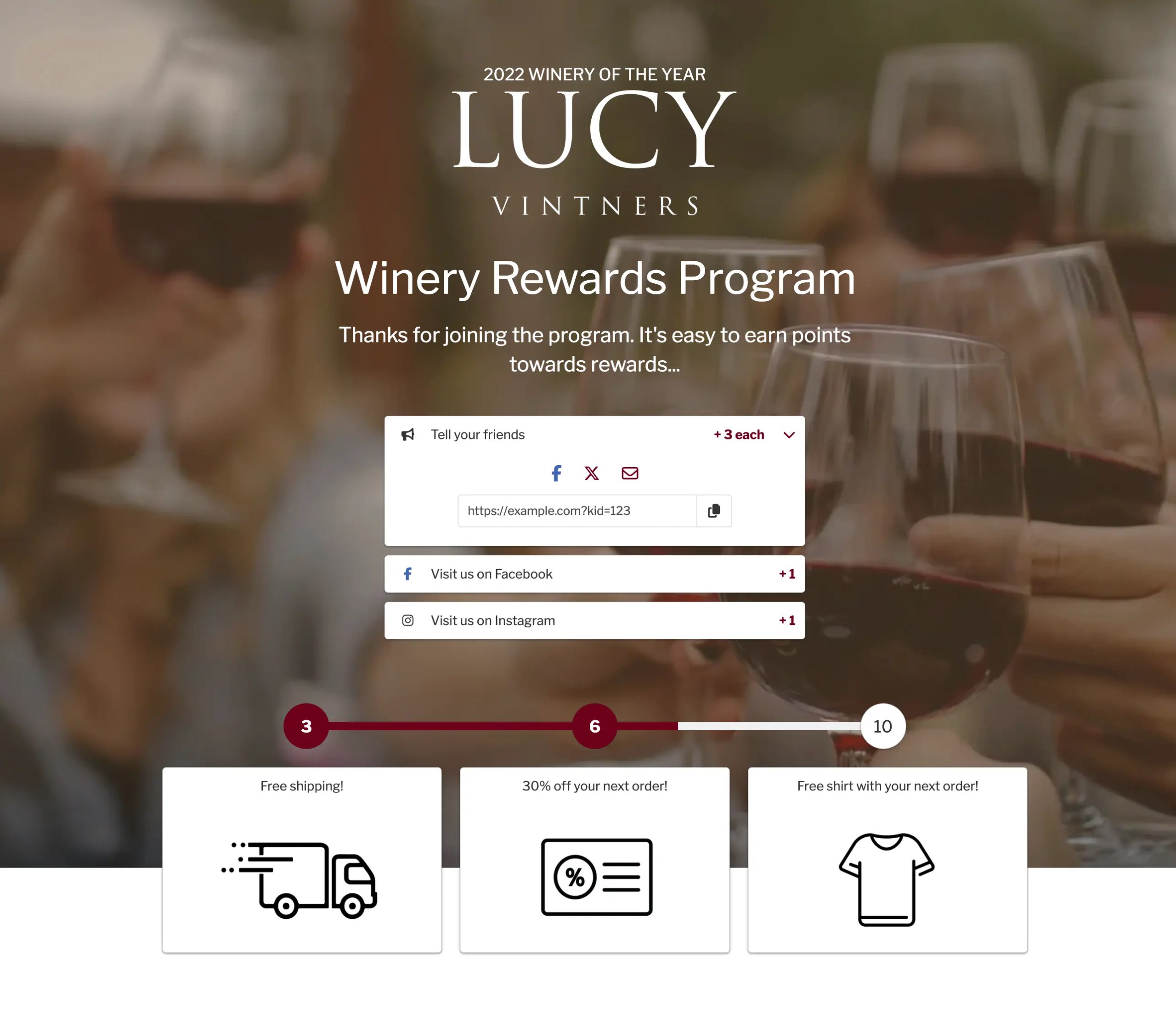 A real referral rewards program in action: each customer gets a unique share link, social share buttons (Facebook, X, email), and a visible progress bar toward milestone rewards — free shipping at 3 referrals, 30% off at 6, free shirt at 10.
3. Relationship: Customers vs. Marketers
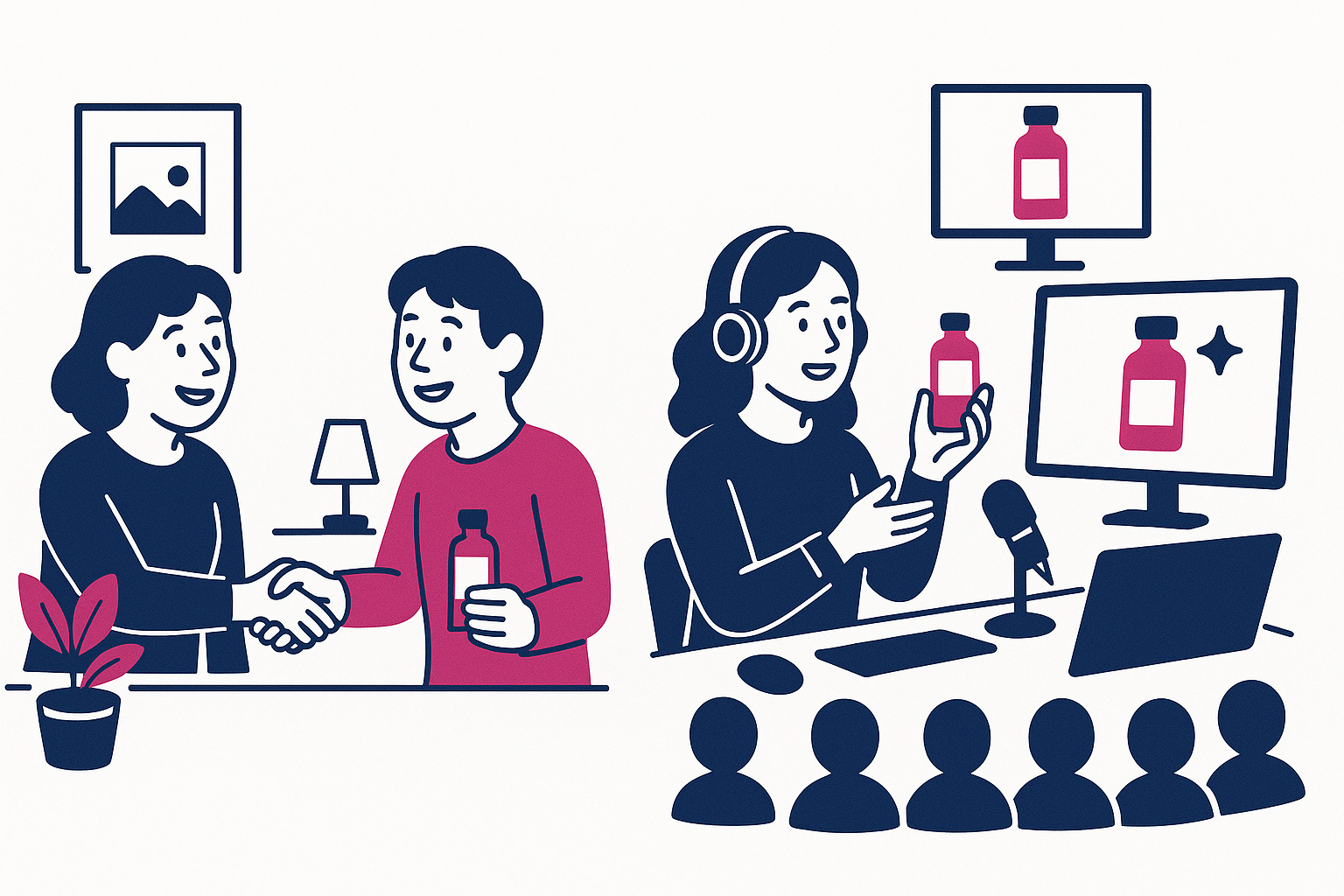
Your referral program participants are people who already bought from you, use your product, and chose to recommend it. They have firsthand experience. When they recommend you, it carries weight.
Your affiliates might never have touched your product. Many affiliates promote dozens or hundreds of products simultaneously. They’re professional marketers optimizing for commission revenue, not product evangelists.
Neither approach is wrong. But the quality of recommendation is different, and so is the quality of customer you get.
4. Scale: Organic Growth vs. Paid Reach
Referral programs scale with your customer base. More customers = more potential referrers = more referrals. It’s a virtuous cycle, but it starts slow. You need customers before you can get referrals.
Affiliate programs scale with your budget and your affiliate network. You can onboard 100 affiliates on day one and immediately reach their combined audience of millions. But you’re paying for every customer they send.
If you’re pre-launch or have a small customer base, affiliates give you reach you don’t have yet. If you have an established customer base that loves your product, referrals will outperform affiliates on ROI every single time.
5. Cost: Predictable vs. Variable
Referral programs have predictable costs. You know exactly what each referral costs because you set the reward. $10 credit per referral? That’s your cost. Double-sided with $10 each? $20 per acquisition. Done.
Affiliate commissions vary wildly. Some affiliates negotiate higher rates. Some drive high-volume, low-quality traffic. Some send you customers who refund immediately. And you’re often paying 15-30% of revenue per sale, which adds up fast on high-ticket items.
Companies with structured referral programs report reducing customer acquisition cost (CAC) by 30-50% compared to other channels. That’s real money.
The Comparison Table
| Factor | Referral Program | Affiliate Program |
|---|---|---|
| Who promotes you | Your existing customers | Third-party marketers |
| Relationship to product | Uses it, loves it | May never have used it |
| Reward type | Double-sided (both parties) | One-sided (commission to affiliate) |
| Typical reward | Credit, discounts, free features | 10-30% commission or flat fee |
| Trust level | High (personal recommendation) | Medium (content marketing) |
| Conversion rate | 3-5x higher than paid channels | Comparable to paid channels |
| Customer LTV | 16-25% higher | Average |
| Scale speed | Grows with customer base | Immediate reach via network |
| Setup complexity | Simple — landing page + rewards | Complex — network, tracking, compliance |
| Best for | B2C, DTC, SaaS, apps | Content-heavy niches, e-commerce |
| Fraud risk | Low (verified customers) | Higher (fake clicks, cookie stuffing) |
| Ongoing management | Light | Heavy (affiliate vetting, payouts) |
When to Use a Referral Program
Referral programs work best when:
Your product has natural word-of-mouth potential. If people already talk about your product, a referral program just adds fuel. If nobody’s talking about you, a referral program won’t fix that — you have a product problem, not a distribution problem.
You want higher-quality customers. Referred customers trust you from day one. They convert faster, churn less, and spend more. If customer quality matters more than volume, referrals win.
You’re B2C, DTC, or SaaS. Products with clear “invite a friend” moments — signing up, sharing a link, entering a code at checkout — are perfect for referral programs.
You want to reduce CAC. If you’re spending $50 per customer on ads, a referral program that costs $20 in credits per acquisition is an instant upgrade.
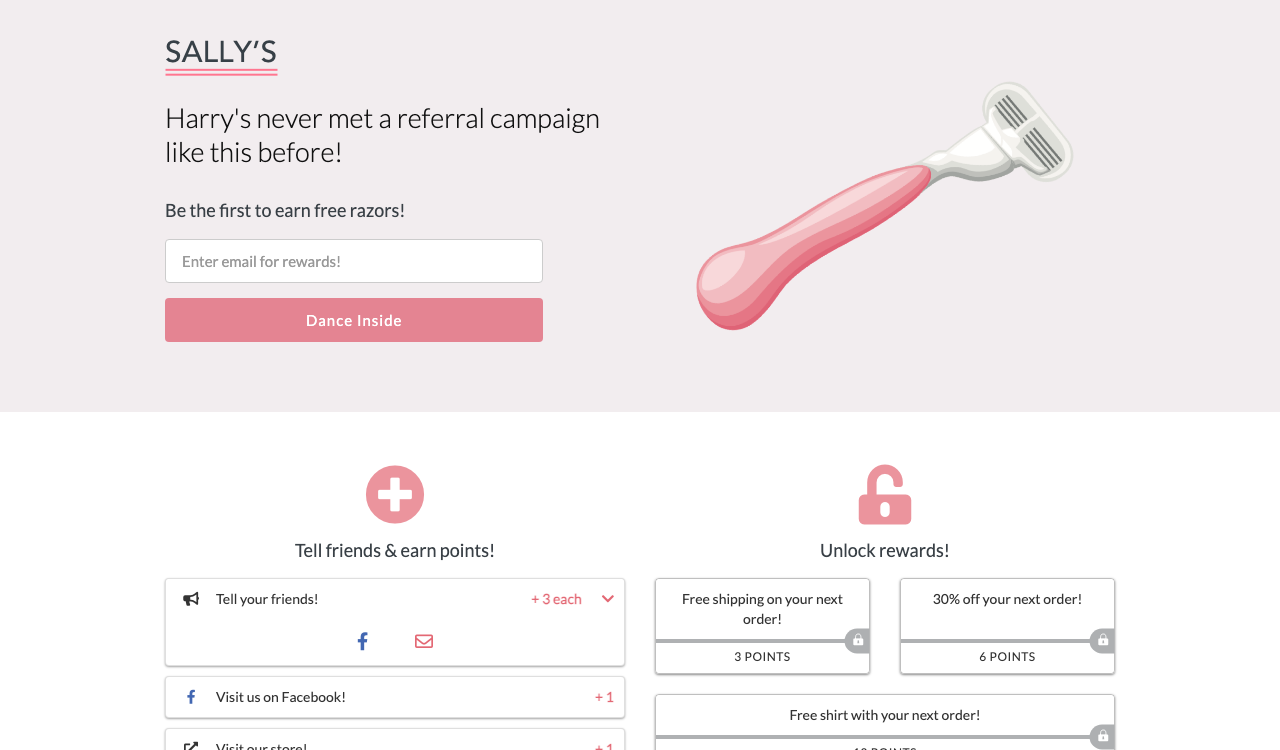 A live referral rewards landing page — visitors enter their email, share with friends, and unlock tiered rewards at 3, 6, and 10 referrals. Built in minutes with KickoffLabs.
Wild Cosmetics, a KickoffLabs customer, generated 65% of their leads through referrals. SOLO Eyewear collected 30,000+ emails with a 98% referral rate. These aren’t outliers — they’re what happens when you give happy customers a reason to share.
When to Use an Affiliate Program
Affiliate programs work best when:
You need reach fast. New product, new market, no existing customer base? Affiliates give you immediate access to established audiences.
Your product needs explanation. Complex products benefit from in-depth affiliate content — reviews, tutorials, comparison articles. Affiliates create content that ranks in search and educates potential customers.
You’re in a competitive, research-heavy niche. Software, financial products, education, and e-commerce categories where people compare options before buying. Affiliates create the comparison content that captures decision-stage searches.
You have high margins. If your margins support 20-30% commissions and you still make money, affiliates are a viable growth channel. If your margins are thin, those commissions will eat you alive.
Can You Run Both? (Yes, and Here’s How)
The best growth strategy often combines both. They’re not competing — they serve different stages of your funnel.
Affiliates bring in cold traffic. Someone searching “best giveaway tools” lands on an affiliate’s comparison article, clicks through, and signs up. They’re new to your brand.
Referrals activate warm customers. That new customer uses your product, loves it, and shares their referral code with colleagues. Now you’re getting customers for the cost of a credit instead of a commission.
Here’s how to structure a hybrid approach:
- Launch affiliates first if you’re new. Build awareness and initial customer base.
- Add referrals once you have happy customers. Even 100 satisfied users can kickstart a referral loop.
- Keep the programs separate. Different tracking, different rewards, different dashboards. Don’t confuse your affiliates with referral mechanics.
- Watch for overlap. If an affiliate is also a customer, decide which program they participate in. Most companies default to affiliate (higher payout) for anyone creating public content.
How to Set Up a Referral Program in 20 Minutes
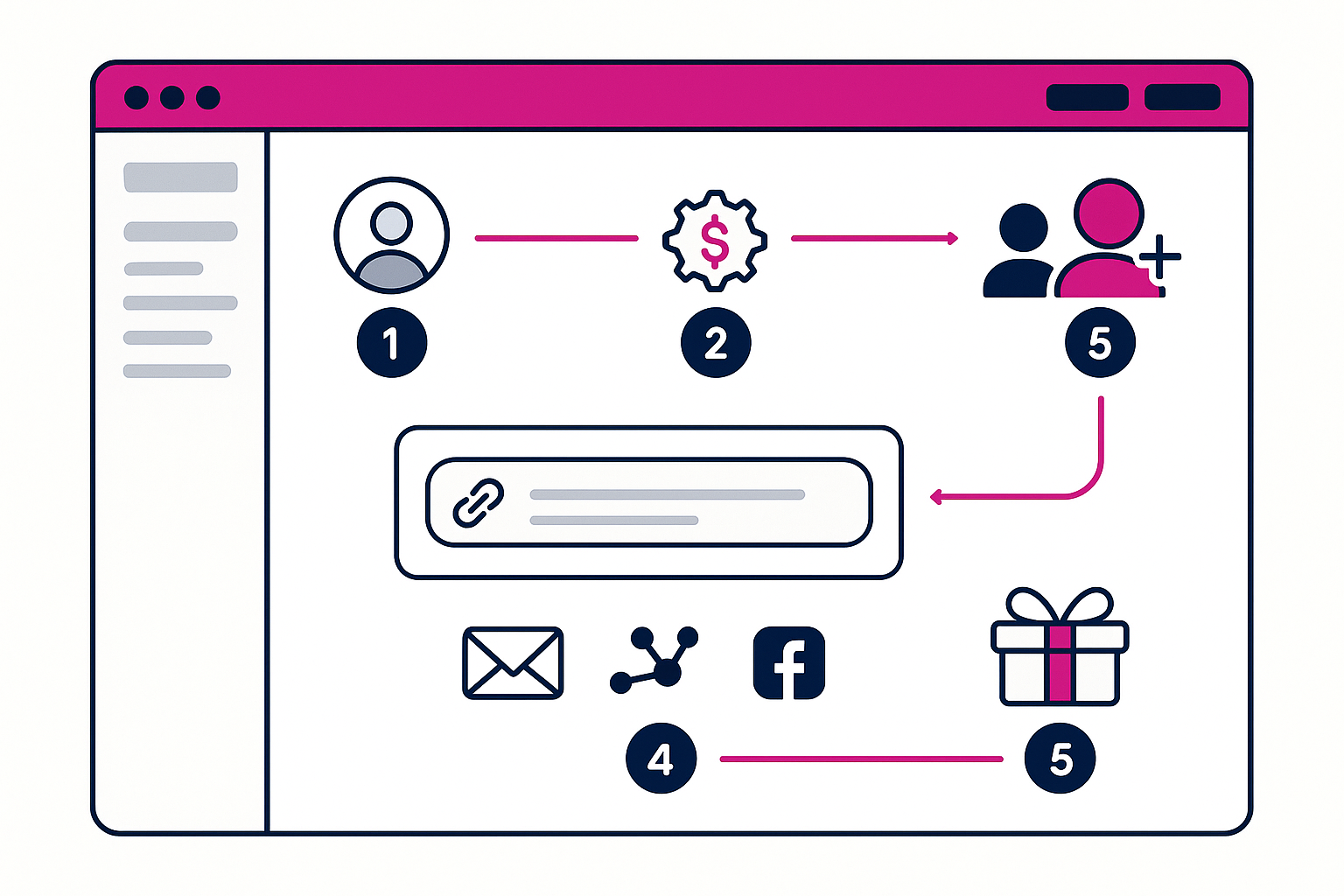
You don’t need a six-month buildout. Here’s the fast version:
Step 1: Pick your reward structure. Double-sided works best. Give both the referrer and the friend something valuable — a discount, free trial extension, or bonus feature.
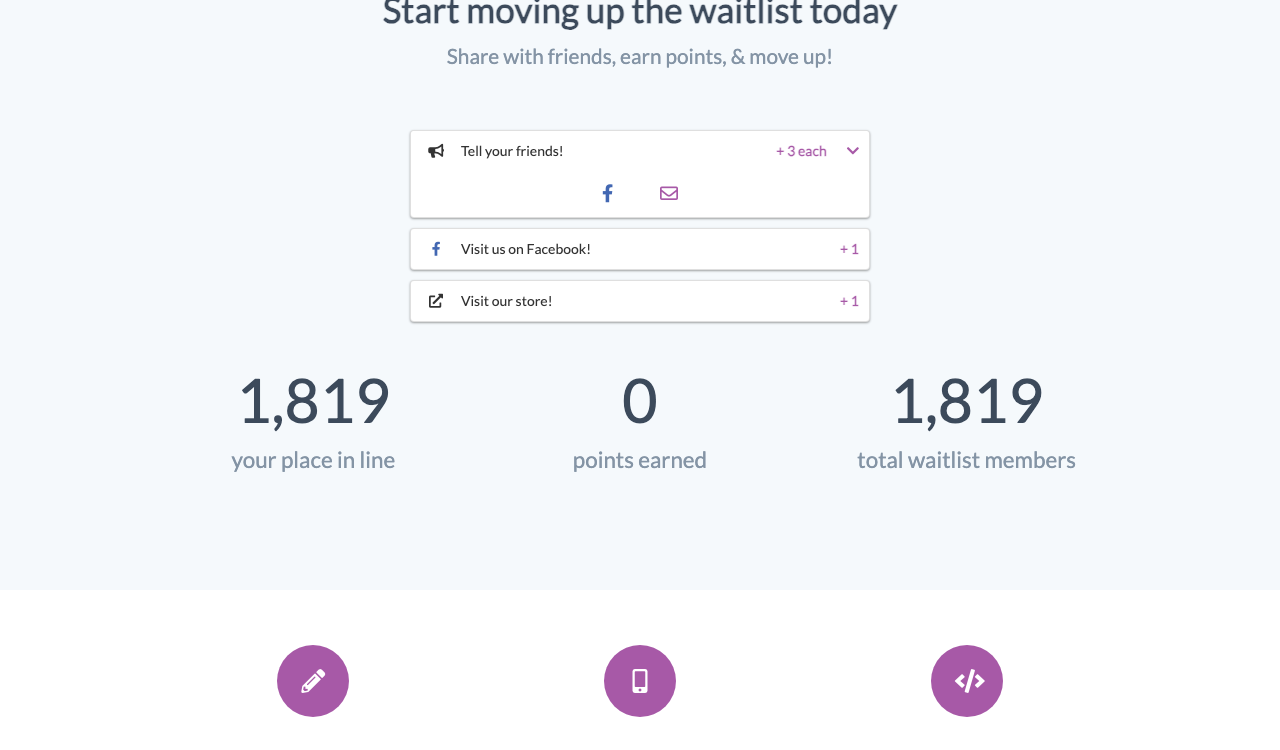 What your signups see after joining: their place in line, points earned, and exactly how to move up by referring friends — all tracked automatically.
Step 2: Create a referral landing page. This is where referred friends land. It should explain the offer, show social proof, and make signing up dead simple. KickoffLabs has templates built for exactly this.
Step 3: Set up tracking. Each customer gets a unique referral link or code. When their friend uses it, both parties get credited automatically. No spreadsheets, no manual tracking.
Step 4: Tell your customers. Email your existing list. Add a referral prompt to your post-purchase flow. Put it in your app. Make it visible — buried referral programs don’t work.
Step 5: Add reward tiers (optional but powerful). Share with 3 friends, get a discount. Share with 10, get early access to new features. Share with 25, get a free year. KickoffLabs’ reward levels make this automatic.
We built KickoffLabs to handle exactly this. Referral tracking, unique links, reward tiers, landing pages, email integrations — the whole stack. Passfolio built a 16,000-person waitlist from zero using our referral mechanics. Zenus collected 25,000 leads without spending a dollar on ads.
Common Mistakes to Avoid
Referral programs fail when:
- The reward only benefits the referrer (nobody wants to feel like a salesperson)
- The program is hidden — if customers can’t find it, it doesn’t exist
- The sharing mechanism is clunky — one-click sharing or it won’t happen
- You set it and forget it — promote it regularly or participation drops
Affiliate programs fail when:
- You don’t vet affiliates — low-quality affiliates send low-quality traffic
- Commission is too low — good affiliates promote products that pay well
- You can’t track accurately — attribution disputes kill affiliate relationships
- You ignore compliance — FTC requires affiliate disclosure, and violations reflect on your brand
The Bottom Line
Referral programs and affiliate programs solve the same basic problem — getting more customers — but they do it in fundamentally different ways.
Referral programs turn your customers into your growth engine. They’re cheaper, produce higher-quality leads, and build a compounding growth loop. But they require an existing customer base that actually likes your product.
Affiliate programs buy you reach and content you don’t have. They work fast and scale independently of your customer base. But they cost more per acquisition and produce average-quality leads.
If you’re choosing one, start with referrals. The economics are better, the customers are better, and the growth compounds over time. Add affiliates later when you need to expand into new audiences or markets.
Ready to launch a referral program? KickoffLabs makes it easy — set up referral tracking, reward tiers, and viral landing pages in minutes, not months.