Turn Facebook attention into leads you actually own
A Facebook post can create a spike. A KickoffLabs campaign turns that spike into email signups, trackable referrals, bonus actions, and a winner process you can explain.
What is a Facebook giveaway campaign?
A Facebook giveaway campaign uses Facebook to promote a prize, but sends entrants to a dedicated page where they can join, read the rules, consent to follow-up, and earn referral or action-based entries. That gives you a cleaner campaign record than trying to manage everything through comments, reactions, and direct messages. Running a comment-first giveaway? Use a landing-page follow-up to turn social engagement into qualified leads instead of stopping at vanity metrics.
A better Facebook giveaway flow
Keep the promotion simple enough to understand and structured enough to measure.
Put the prize, eligibility, dates, entry form, privacy notice, and official rules in one place. Your Facebook posts should point back to the same source of truth.
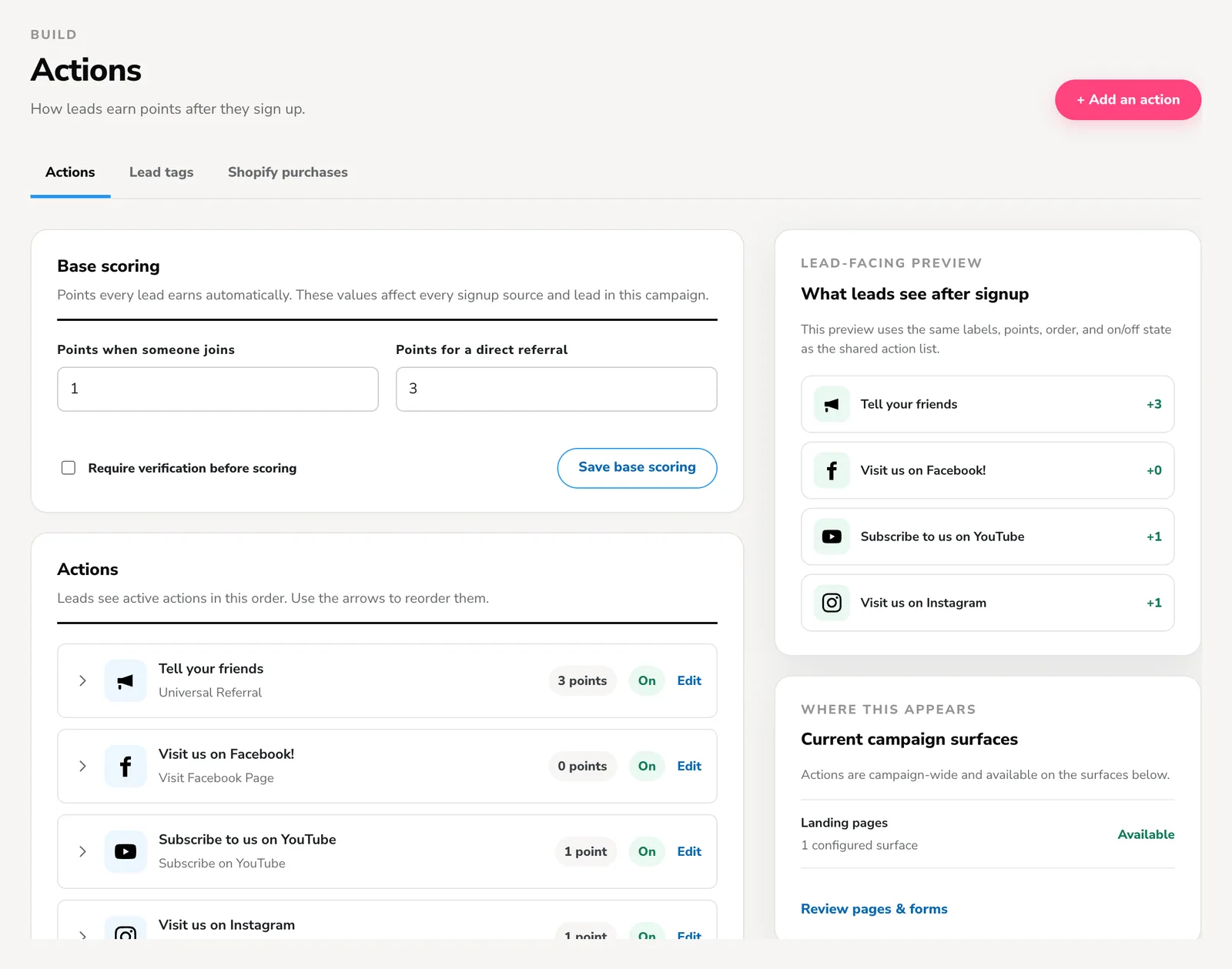
Offer bonus points for actions that fit your goals. Keep optional actions optional, state their value, and avoid promising verification the platform cannot support.
Send the entrant their status, referral link, next milestone, and campaign deadline. After the draw, announce the result and give non-winners a useful next step.
From Facebook discovery to an owned list
Use Facebook for discovery. Use email for the relationship.
Facebook reach can disappear when the feed changes. An opt-in list gives you a direct way to announce the winner, deliver an offer, launch the next campaign, or invite people into your referral program. KickoffLabs captures the lead on your campaign page and can route follow-up through your existing email workflow.
About campaign emails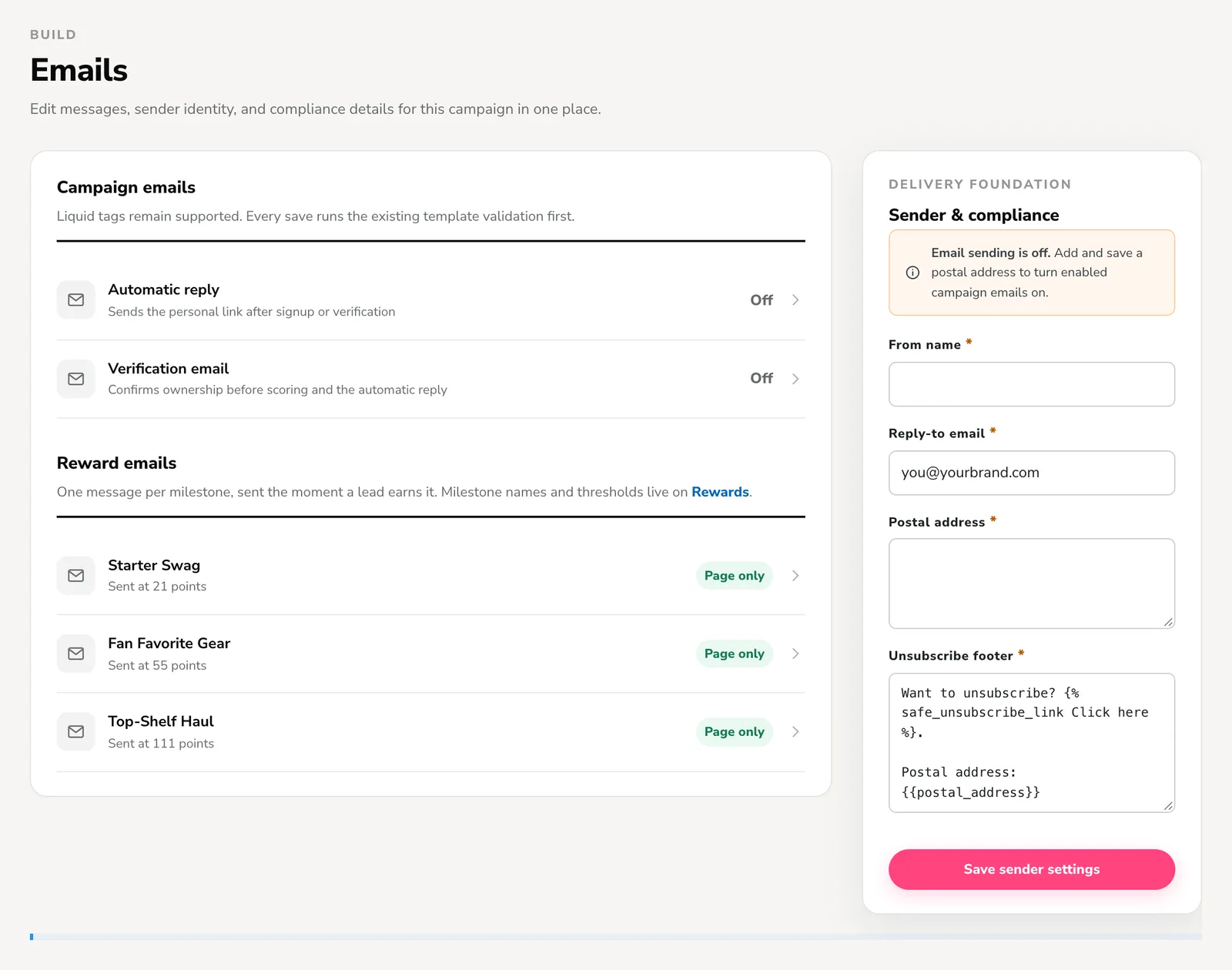
Add actions without building a confusing obstacle course
Start with the entry form. Then add a small number of contest actions that support the campaign goal, such as visiting a page, answering a question, or completing another clearly described step. Do not turn every possible action into a requirement. More buttons do not automatically mean more growth.
About contest actions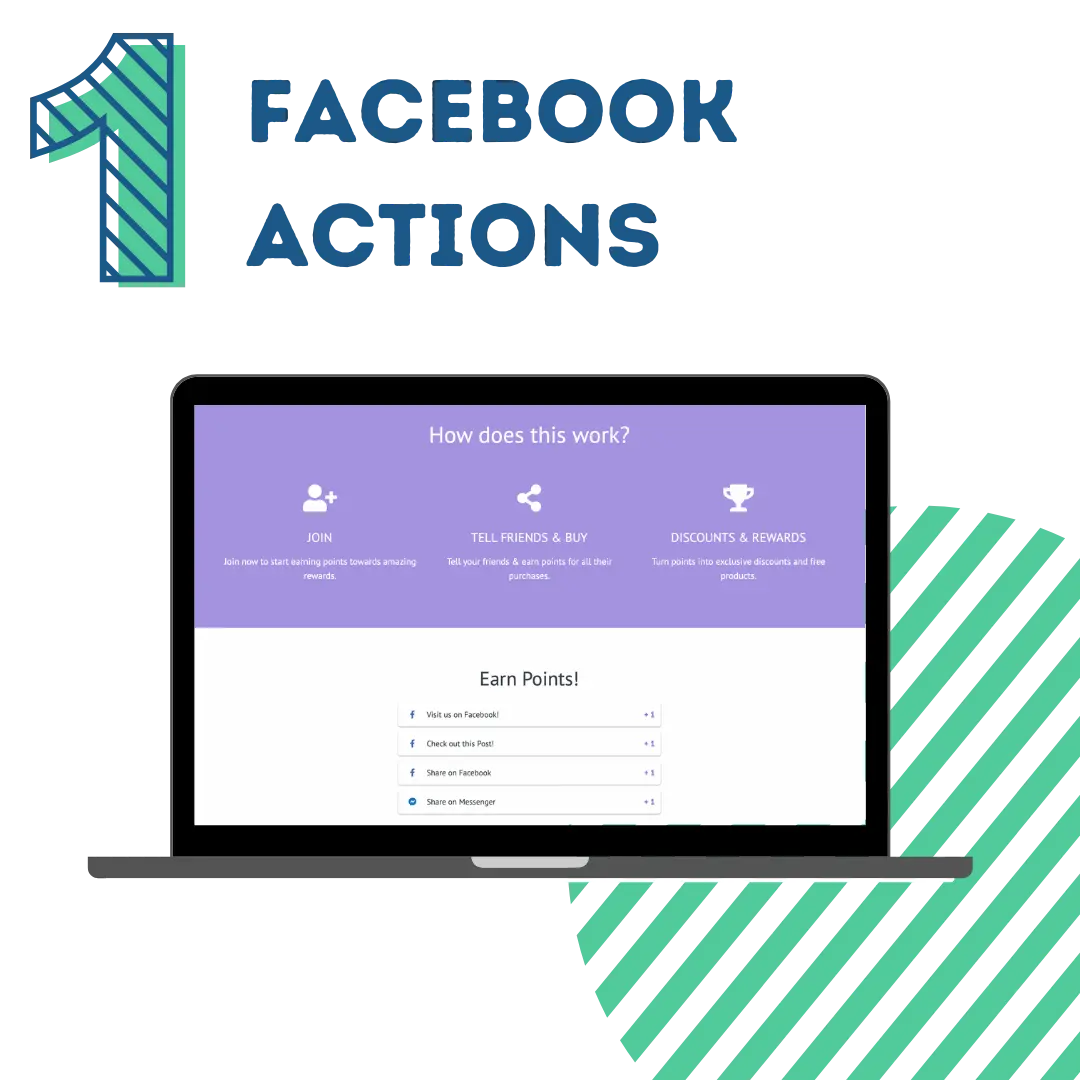
Let entrants bring the next wave
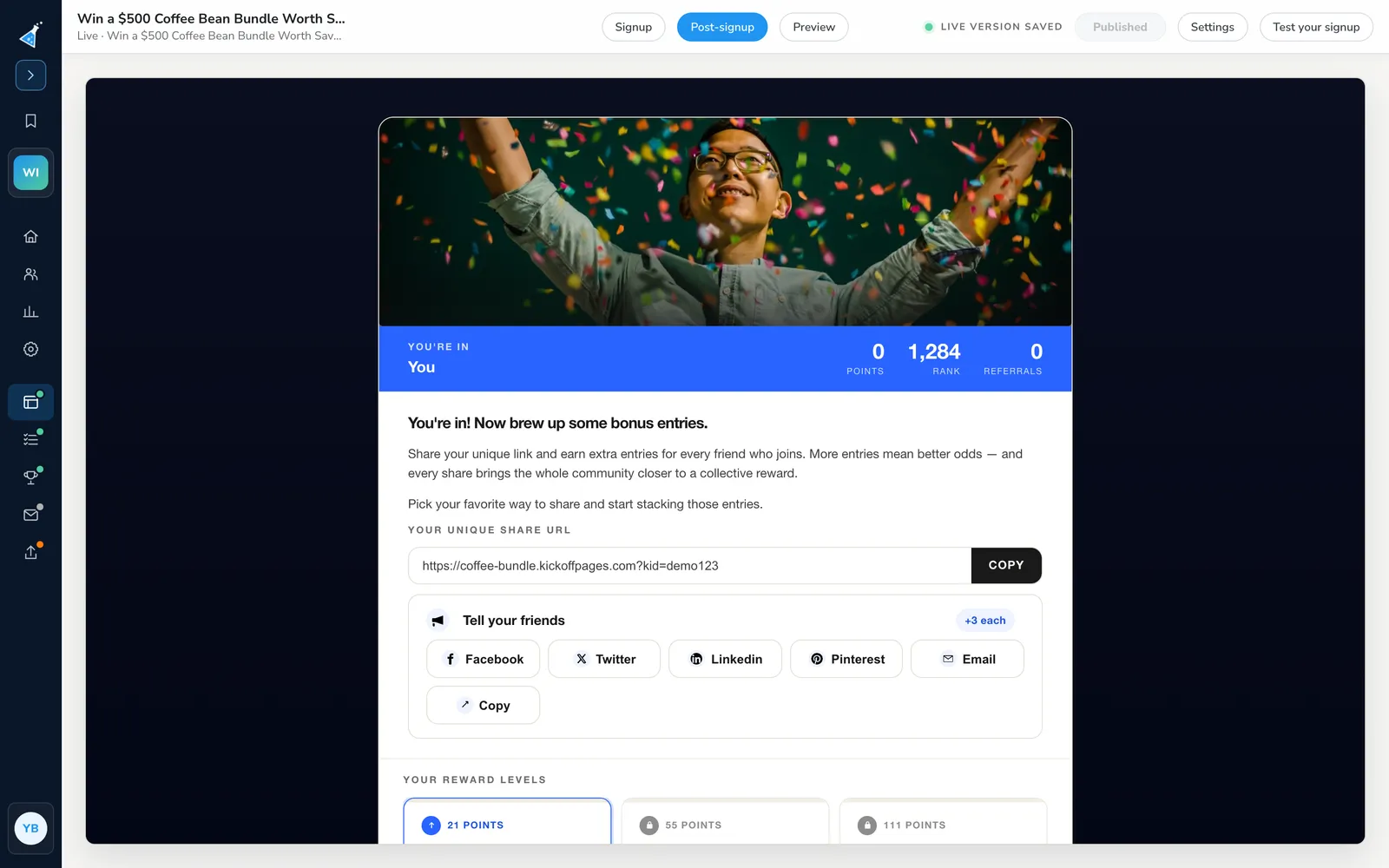
Give each entrant a personal sharing link. KickoffLabs can track completed referrals, update progress, and help you review suspicious activity before rewards or prizes go out. Connect the campaign to referral tracking, reward levels, or a leaderboard when sharing is central to the offer.
Facebook giveaway rules you should check before launch
Meta puts the responsibility for a lawful promotion on the sponsor. Its current Pages, Groups, and Events policies call for official rules, eligibility and offer terms, any required registration, a release of Meta, and an acknowledgement that Meta does not sponsor or administer the promotion.
The policy also restricts requiring or incentivizing people to share, repost, or tag others to promote your campaign. Platform terms change, so check the current policy before every launch rather than copying last year's rules.
Facebook giveaway FAQ
Can I run a giveaway only in Facebook comments?
Can I require entrants to share or tag friends?
Do I need official rules?
How should I pick a Facebook giveaway winner?

“The cost of driving ads was better because our target audience was improved because of this (KickoffLabs) campaign.”
Related features
Award points for visits, answers and other clear steps.
Learn more Referral trackingA personal share link for every entrant, tracked automatically.
Learn more Pick a WinnerDraw from the eligible pool with a documented process.
Learn more RewardsReward levels anyone can earn by sharing.
Learn moreBuild the page before you boost the post
Give Facebook traffic somewhere useful to go: a clear offer, a real entry form, visible rules, and a referral loop you can measure.